feature image

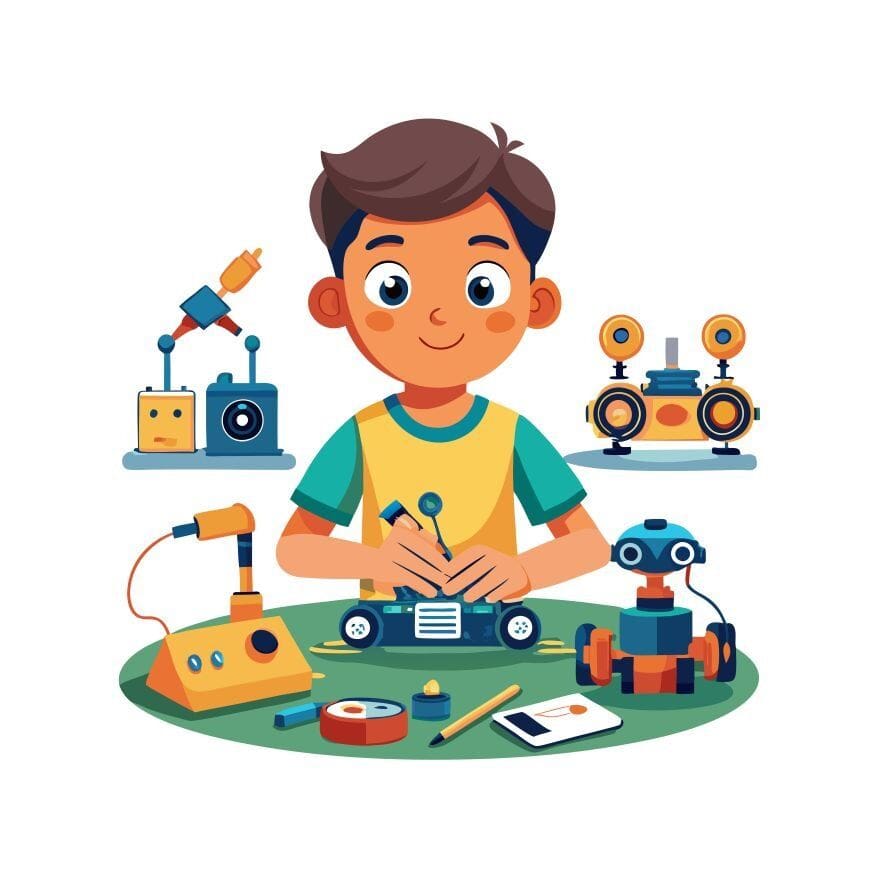
Exploring Robotics Through STEM education

Robotics in education is becoming increasingly popular in schools everywhere, especially through STEM. Moreover, a recent study shows growing interest, with 48 new studies in 2024—more than last year. For instance, teachers use robotics to connect science, technology, engineering, and math through hands-on activities. Additionally, robotics in STEM education challenges students, sparking curiosity and building coding, problem-solving,

Exploring Robotics Through STEM education Read More »

Teen-friendly online safety infographic showing digital citizenship, cyberbullying prevention, privacy, and balanced social media habits

Online Safety for Teens: Digital Citizenship, Cyberbullying Prevention & Smart Social Media Habits

What are smart social media habits for teenagers? Smart social media habits begin with pausing before you share. For online safety for teens, think carefully before posting images, location, school details, schedules, or other private information. When platforms add features, review who can see your posts. Regularly check older public posts and remove unnecessary location

Online Safety for Teens: Digital Citizenship, Cyberbullying Prevention & Smart Social Media Habits Read More »

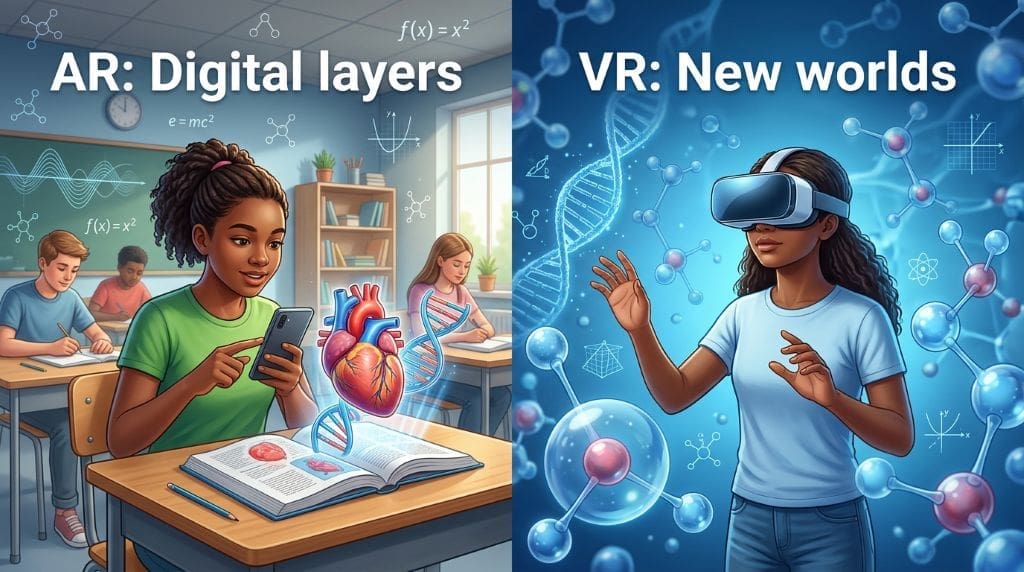
Teen students use augmented and virtual reality to explore a beating heart and a giant water molecule in a STEM classroom.

AR and VR Applications in STEM Subjects: Physics, Chemistry, Biology, and Math

A flat page can’t show a molecule twisting in space, but your phone camera can. Just point it at a printed page, and you might see a beating heart rise up. Another student puts on a headset and steps inside a giant water molecule. These scenes are now common in real classrooms. At first, these

AR and VR Applications in STEM Subjects: Physics, Chemistry, Biology, and Math Read More »

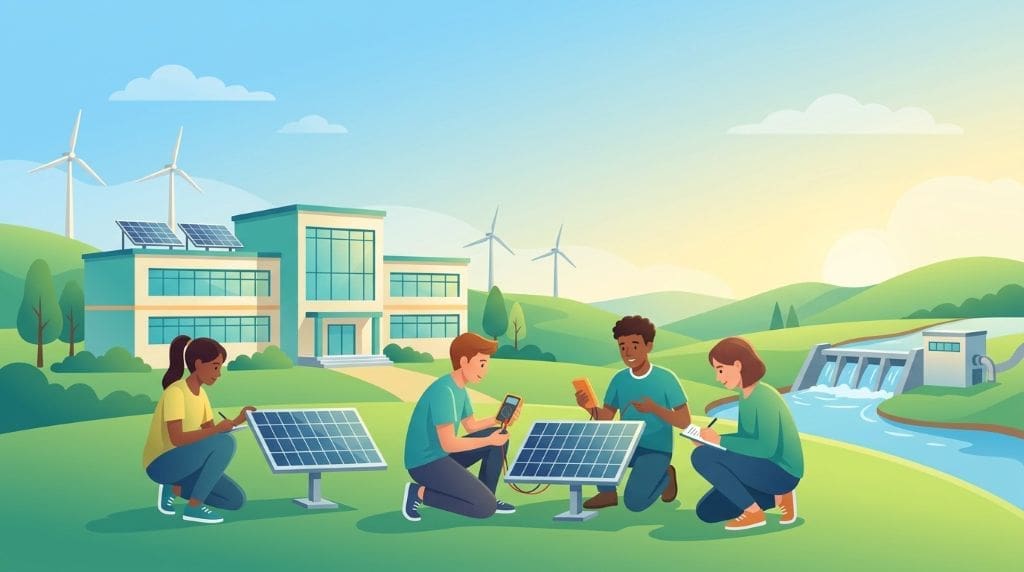
Students exploring renewable energy for students with solar panels and wind turbines.

Renewable Energy for Students: A Complete STEM Guide

Renewable energy is energy from natural sources which Earth’s own processes continually replenish on a human timescale (sunlight, wind, flowing water, geothermal heat, plant material). Unlike coal, oil and gas, which are consumed as a fuel is burnt, the sources of renewable energy are not depleted as they are replenished by rain, sunshine and wind.

Renewable Energy for Students: A Complete STEM Guide Read More »

feature image

Aerospace engineering : The Energy That Lifts Us

What makes a bird soar across the sky? Mechanical energy gives birds and drones the power for flight. Similarly, aerospace engineering uses mechanical theory to transform energy into lift. Therefore, engineers study the mechanical theory of flight. In doing so, they apply mechanical principles to every aerospace vehicle. Moreover, mechanical design shapes the way aerospace vehicles move. After that, mechanical testing checks how well aerospace

Aerospace engineering : The Energy That Lifts Us Read More »

feture image

Exploring 3D printing conference

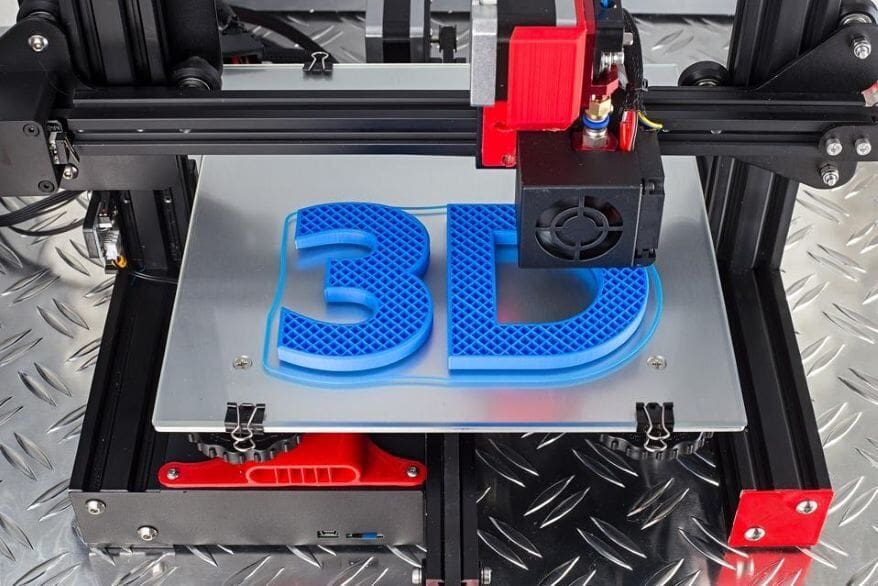
Virtual 3D printing conferences are significantly changing how teachers and students learn STEM. Moreover, these online events make education more fun, interactive, and open to all. For instance, the BitSpace 3D Printing Conference Online, a prominent 3D printing technology conference, inspired many young learners last year. As a result, 3D printing now lets students build real things and share ideas

Exploring 3D printing conference Read More »

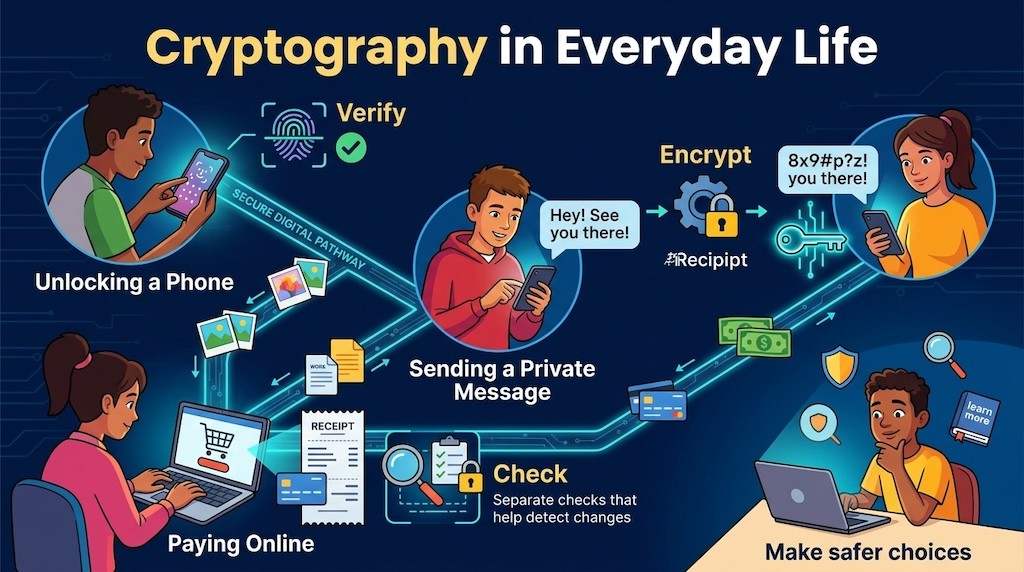
Infographic showing how cryptography helps protect phone access, online payments, and private messages through encryption, integrity checks, and identity verification.

Cryptography for Beginners: Your First Step into Encryption and Data Security

Every day, you use cryptography without seeing it. You unlock your phone, pay online, or send a private message. Behind each action, software checks identity and protects information. For example, encryption can turn readable text into scrambled data. A key can then restore that data for an approved user. However, encryption is only one part

Cryptography for Beginners: Your First Step into Encryption and Data Security Read More »

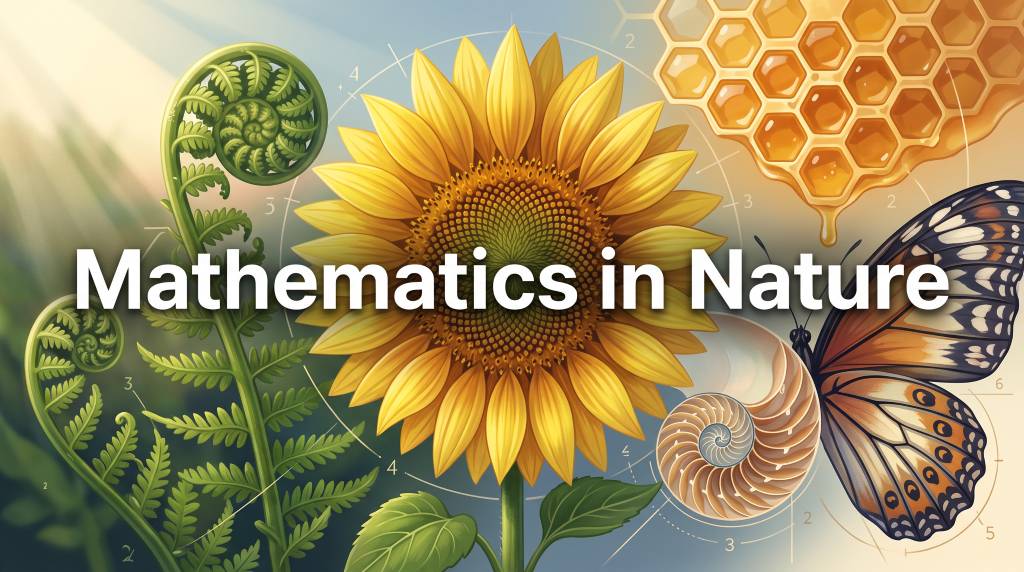
Feature illustration of mathematics in nature, showing sunflower spirals, fern fronds, honeycomb hexagons, a nautilus shell, and butterfly symmetry

Mathematics in Nature: The Complete Guide to Patterns, Shapes and Numbers in the Natural World

Discover how mathematics in nature explains the patterns, shapes, and numbers found in plants, shells, rivers, and other natural structures. Explore the golden ratio, Fibonacci sequence, fractals, and the science behind nature’s remarkable designs.

Mathematics in Nature: The Complete Guide to Patterns, Shapes and Numbers in the Natural World Read More »