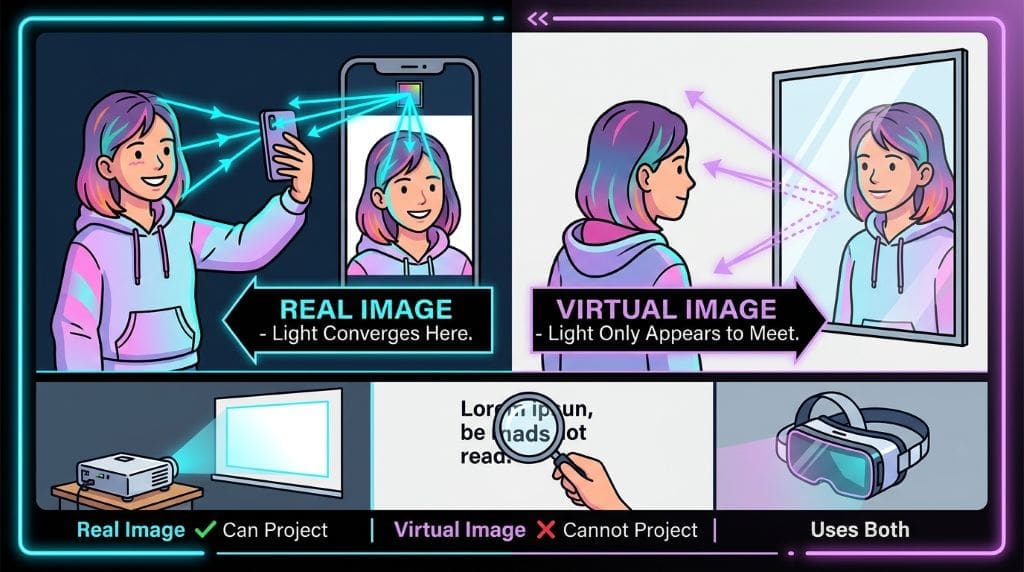
Real vs Virtual Images made Simple for Everyone
Understand the key difference between real and virtual images and how mirrors and lenses create the images we see every day.
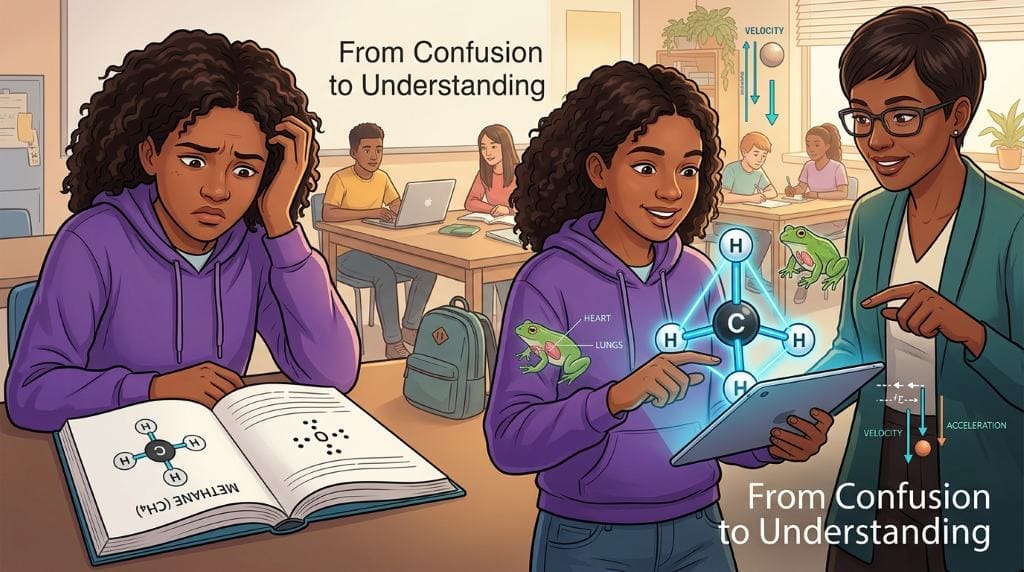
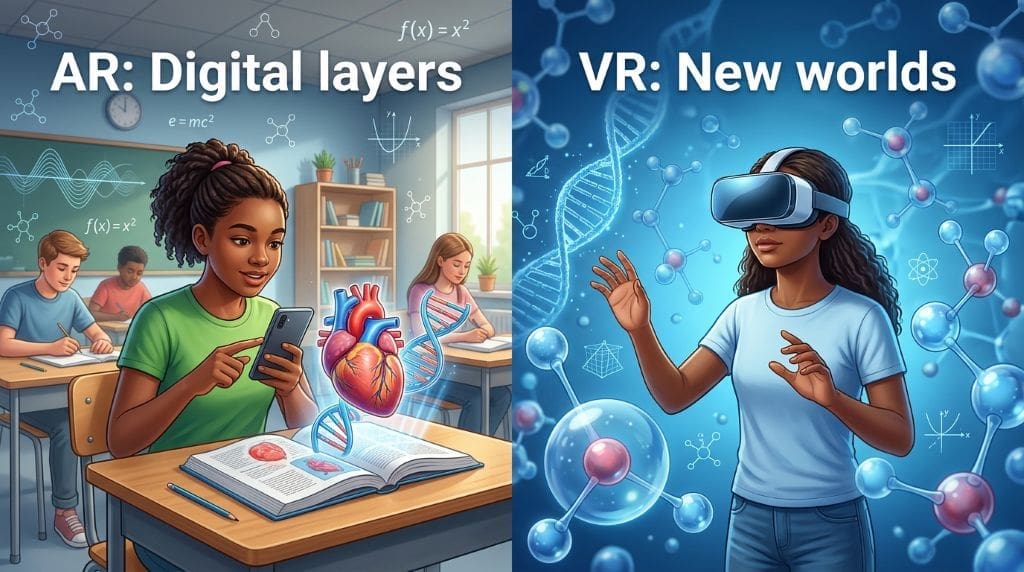
AR and VR in STEM Education create new ways to learn. These tools let students see and touch 3D models. This helps them understand tough science and math ideas better. Also, AR and VR make lessons fun and keep students focused. They can explore virtual labs and places like space or inside cells safely.
Moreover, these technologies support teamwork. Students can work together online, no matter where they are. This builds communication and problem-solving skills needed for STEM careers. AR and VR also make STEM education fairer. Students from remote areas can access quality learning without physical limits.
Teachers find AR and VR useful too. They can customize lessons to match each student’s pace. Artificial Intelligence in AR can personalize learning and gives instant feedback. This boost students’ confidence and success.
Overall, AR and VR improve how students learn. They turn passive lessons into active, immersive experiences. Schools that use AR and VR prepare students for future jobs with modern skills. These tools help make STEM education more engaging, inclusive, and effective for every learner. As technology grows, AR and VR will play bigger roles in classrooms worldwide.
Understand the key difference between real and virtual images and how mirrors and lenses create the images we see every day.
Virtual reality technology is transforming how people learn, work, play, and connect by creating immersive digital experiences that increasingly rival the real world.
Why Virtual Reality May Make Real Life Feel Boring Read More »
Augmented reality is not just another trend—it is a foundational technology reshaping education, work, and daily life.
Augmented Reality: Is It About to Replace Your Smartphone? Read More »
AR and VR have a big effect on STEM education. For example, many students have problems in the classroom. On one hand, some do not have enough tools. On the other hand, others find it hard to understand tough ideas. However, STEM in AR and VR lets students do hands-on things. For instance, they can build robots or look at 3D models. As a result, they do not need