
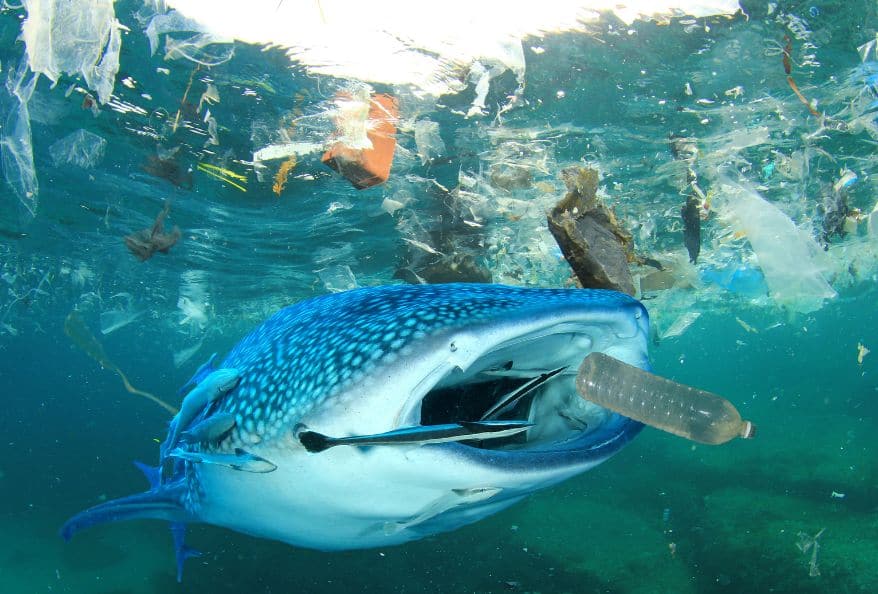
Understanding how pollutants affect aquatic life is essential for environmental science. Bioaccumulation Student Experiments help students investigate how harmful substances move through ecosystems and affect living organisms.
In aquatic environments, pollutants such as heavy metals, pesticides, and industrial chemicals enter water systems through runoff and waste discharge. These substances do not easily disappear. Instead, they accumulate inside organisms over time.
Fish often absorb toxins from the water and from the organisms they consume. As a result, pollutants build up inside their bodies, sometimes reaching dangerous levels.
Through classroom and laboratory experiments, students can observe how contaminants move through aquatic ecosystems. These investigations provide insight into environmental health and encourage awareness of pollution issues.
Understanding Bioaccumulation in Marine Ecosystems
Bioaccumulation occurs when toxic substances build up inside an organism faster than they can be removed. Many pollutants dissolve in water or attach to small organisms such as plankton.
Small aquatic organisms absorb these pollutants from their surroundings. When small fish eat these organisms, the toxins move into their bodies. Larger fish then consume the smaller fish, causing even higher toxin concentrations.
This process demonstrates how pollutants move through food chains. As a result, animals at higher trophic levels often contain the highest toxin concentrations.
Bioaccumulation Student Experiments in the Classroom

Bioaccumulation Student Experiments help students understand how toxins spread through marine ecosystems. By examining fish tissues or model organisms, students can measure how contaminants accumulate over time.
These experiments often involve observing the transfer of pollutants through simulated food chains. For example, colored substances may represent toxins moving between organisms.
Such activities help students visualize complex ecological processes and understand environmental pollution more clearly.
The Impact of Toxins on Fish Health
Environmental toxins can seriously affect fish populations. Pollutants such as mercury, lead, and pesticides disrupt normal biological functions in aquatic organisms.
Fish exposed to high toxin levels may experience slower growth, reduced fertility, and weakened immune systems. In severe cases, pollutants can cause deformities or increased mortality rates.
Bioaccumulation Student Experiments often focus on measuring contaminant levels in fish tissues. Students may analyze samples or study data collected by environmental scientists.
These investigations demonstrate how pollution affects marine ecosystems and the organisms that depend on them.
Additionally, toxins present in fish may pose risks to humans who consume seafood. Understanding these risks highlights the importance of monitoring pollution levels in aquatic environments.
Exploring Food Web Dynamics Through Bioaccumulation
Marine ecosystems rely on complex food webs connecting many different species. Bioaccumulation influences how pollutants move through these interconnected systems.
Primary producers such as phytoplankton form the base of aquatic food webs. These microscopic organisms absorb nutrients and pollutants directly from the water.
Small fish consume phytoplankton and planktonic organisms, allowing toxins to enter higher levels of the food chain. Larger predators then consume these smaller fish.
Biomagnification in Marine Food Chains
Biomagnification occurs when toxin concentrations increase at each level of the food chain. For example, a small fish may contain a small amount of mercury. When a larger fish eats several smaller fish, the mercury concentration increases.
Top predators such as sharks or orcas often contain the highest toxin levels in marine ecosystems.
Bioaccumulation Student Experiments allow students to simulate these food web processes. By modeling predator–prey relationships, students can observe how contaminants spread through ecosystems.
Investigating Pollutants in Aquatic Life
Many types of pollutants enter aquatic environments from human activities. Agricultural runoff introduces pesticides and fertilizers into rivers and lakes. Industrial waste may release heavy metals and toxic chemicals.
Students studying bioaccumulation often analyze how these pollutants affect aquatic organisms.
Experiments may involve measuring contaminant levels in organisms over time. Students may compare results from different water samples or environmental conditions.
Bioaccumulation Student Experiments also demonstrate how environmental factors influence toxin absorption. For instance, water temperature, pH levels, and oxygen availability can affect how organisms absorb pollutants.
Understanding these environmental variables helps scientists predict pollution impacts in natural ecosystems.
Classroom Activities for Bioaccumulation Student Experiments
Hands-on activities make environmental science more engaging for students. Bioaccumulation Student Experiments often involve interactive models and laboratory investigations.
Students may design simple experiments to track how substances move through simulated food chains. Colored dyes or safe chemicals can represent pollutants.
Common classroom activities include:
- Creating food chain models to illustrate toxin movement
- Measuring contaminant concentrations in sample organisms
- Analyzing water samples from local ecosystems
- Simulating biomagnification using visual demonstrations
These experiments help students develop important research skills such as hypothesis testing, data collection, and scientific analysis.
Collaborative group projects also encourage teamwork and problem-solving. Students learn to interpret results and communicate their findings effectively.
The Role of Phytoplankton in Bioaccumulation
Phytoplankton play a crucial role in marine ecosystems. These microscopic organisms form the base of many aquatic food chains.Phytoplankton absorb nutrients from water to support their growth. Unfortunately, they also absorb pollutants such as heavy metals and chemical toxins.
When small organisms consume phytoplankton, the pollutants move into their bodies. This transfer marks the first step in the bioaccumulation process.Bioaccumulation Student Experiments often focus on how phytoplankton contribute to toxin movement in aquatic ecosystems.Studying these processes provides valuable information about environmental pollution and ecosystem health.
Environmental Impact of Chemicals on Fish
Certain chemicals have caused significant environmental damage in marine ecosystems. One well-known example is DDT, a pesticide widely used during the twentieth century.
DDT accumulated in aquatic organisms and moved through food chains. This accumulation caused serious harm to fish populations and marine wildlife.Fish exposed to high levels of toxic chemicals may suffer reproductive problems and reduced survival rates.
Bioaccumulation Student Experiments help students understand the long-term consequences of chemical pollution.By studying historical cases and modern environmental data, students gain a deeper understanding of how pollution affects biodiversity.
Future Research and Environmental Awareness
Scientific research continues to investigate the impact of pollutants on aquatic ecosystems. New technologies allow scientists to detect contaminants at extremely low concentrations.
Students participating in bioaccumulation experiments gain valuable insights into environmental science and conservation.These experiences encourage eco-conscious behavior and community involvement in protecting natural resources.
Educational programs focused on environmental research inspire the next generation of scientists and environmental advocates.
Final Thoughts
Bioaccumulation Student Experiments provide valuable opportunities for students to explore how toxins accumulate in aquatic ecosystems. By studying fish, food webs, and environmental pollutants, students develop a deeper understanding of ecological processes. These experiments promote environmental awareness and inspire responsible actions to protect marine ecosystems and maintain healthy aquatic environments for future generations.
References
- Miller, M. E., Hamann, M., & Kroon, F. J. (2020). Bioaccumulation and biomagnification of microplastics in marine organisms: A review and meta-analysis of current data. PLOS ONE, 15(10), e0240792. https://doi.org/10.1371/journal.pone.0240792
- Qu, P., et al. (2022). Bioaccumulation of mercury along aquatic food chains in estuarine ecosystems. Journal of Hazardous Materials, 435, 128631. https://doi.org/10.1016/j.jhazmat.2022.128631