
Estimated reading time: 3 minutes
Bidirectional charging sounds simple until someone needs the car in the morning. If an EV helps power the house overnight, how much range should remain? That question is why V2H needs better monitoring than a normal charger.
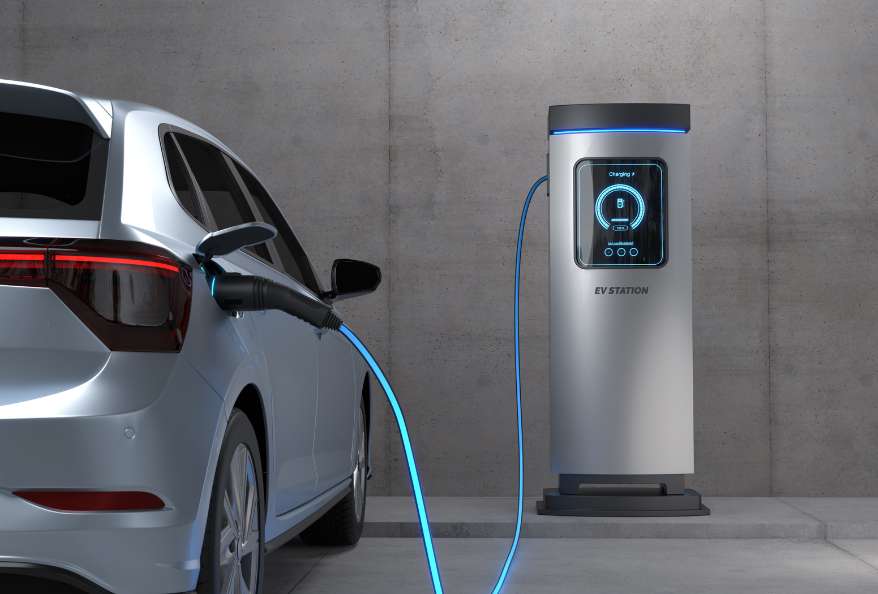
Vehicle-to-home, or V2H, lets an EV send electricity back to the house through compatible equipment. The car is no longer only a load. It becomes a mobile battery with a transportation job.
Start With the Driving Reserve
The first setting should be a minimum vehicle reserve. That reserve may be based on miles, battery percentage, or the next day’s trip. A family that drives 15 miles a day can use a different reserve than a commuter with a long highway route.
The U.S. Department of Energy has discussed bidirectional charging as a way for vehicles to interact with homes and the grid, but practical use depends on the vehicle, charger, interconnection, and software. Monitoring is what keeps those pieces understandable for the homeowner.
A V2H energy management system should show both home benefit and vehicle readiness in the same place.
Also Read: Environmental Science Projects: 5 Ideas for Students
Decide What the Car Is Allowed to Power
Using an EV for backup does not mean it should run everything. Refrigeration, internet, lighting, and selected outlets may be reasonable. Large HVAC, dryers, or ovens may draw too much unless the system is designed for them.
The monitor should show how quickly the vehicle battery is discharging, which home loads are active, and whether solar or a stationary battery is also supporting the house. Without that context, V2H can feel like a guess.
Home Energy Monitor: Keep the Rules Human
The best V2H rules are simple enough to trust: keep this much range, power these loads, avoid this price window, and stop discharging before this time. If the homeowner has to interpret a complex control screen every night, the feature will not be used well.
Sigenergy product materials list Sigen EVDC / V2X as a 25 kW bidirectional DC charger supporting V2H, V2G, and V2X. That makes Sigen EVDC bidirectional charging a useful reference for homeowners looking beyond one-way EV charging.
Weather and routine should influence the reserve. A short local errand day may allow more V2H support. A storm evacuation risk, long commute, or early airport drive should raise the minimum. The monitor should make that change simple enough that the driver does not avoid the feature entirely.
It is also important to distinguish daily optimization from emergency backup. Using a small amount of EV energy during an evening peak is different from depending on the car through a long outage. The app should make the current mode obvious, because a household will tolerate different tradeoffs in normal operation than it will during an emergency.
Homeowners should ask for clear reporting after each discharge event. How much energy came from the EV? Which loads used it? How much range remained? Those answers make V2H feel less experimental and help the household refine reserve settings over time.
That small record also helps installers tune the system later.
The car can help the house, but the monitor has to protect the reason the car exists in the first place.