
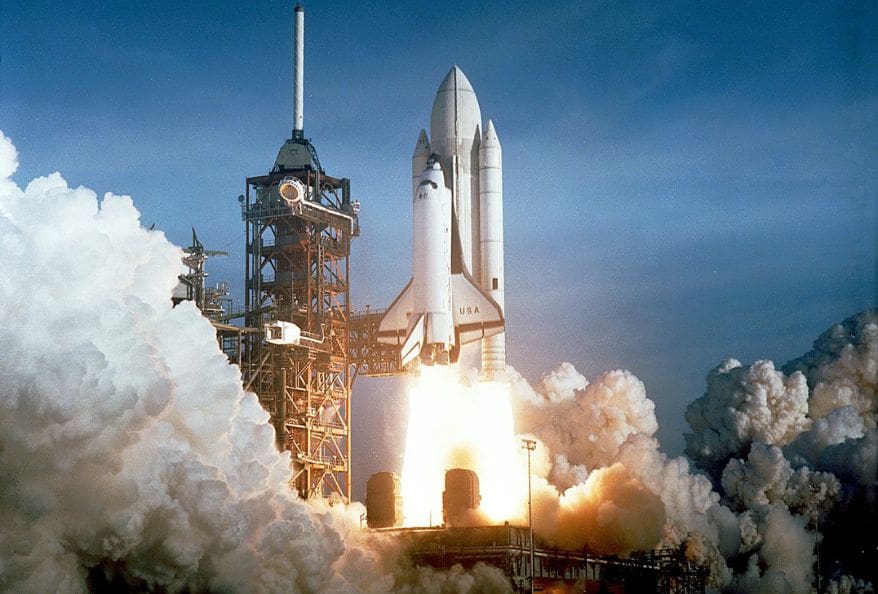
Rocket science for high school students is an exciting way to explore physics, engineering, and real-world problem-solving. Through hands-on projects, students can understand how rockets work while developing practical STEM skills. This field not only sparks curiosity but also encourages innovation and experimentation.
By building simple rockets and conducting experiments, students learn fundamental concepts such as motion, force, and energy. These activities make complex scientific ideas easier to understand and apply in real-life scenarios.
Understanding the Basics of Rocket Science
Rocket science is based on fundamental physics principles, especially Newton’s laws of motion. These laws explain how objects move and interact with forces, making them essential for understanding rocket behavior.
The most important principle is Newton’s Third Law, which states that every action has an equal and opposite reaction. This law explains how rockets generate thrust and move upward.

Newton’s laws of motion play a crucial role in understanding rocket propulsion and flight dynamics.
When a rocket expels gas downward, it produces an upward force that propels it into the sky. This simple concept forms the foundation of all rocket systems.
The Science Behind Rocket Propulsion
Rocket propulsion is the process of generating thrust to move a rocket. Different types of propulsion systems are used depending on the mission requirements.
Types of Rocket Propulsion
- Solid Propulsion – Uses pre-packed fuel and is simple and reliable
- Liquid Propulsion – Uses liquid fuel and oxidizer for controlled combustion
- Hybrid Propulsion – Combines features of both systems
Each system has advantages and plays a role in modern aerospace engineering.
The propulsion system generates thrust, which must overcome gravity and air resistance. The design of the rocket engine and nozzle helps direct exhaust gases efficiently, improving performance.
Key Forces Acting on a Rocket
Understanding rocket motion requires knowledge of four main forces:
- Thrust – Pushes the rocket upward
- Weight (Gravity) – Pulls the rocket downward
- Drag – Air resistance that slows the rocket
- Lift – Helps stabilize motion (less significant in rockets)
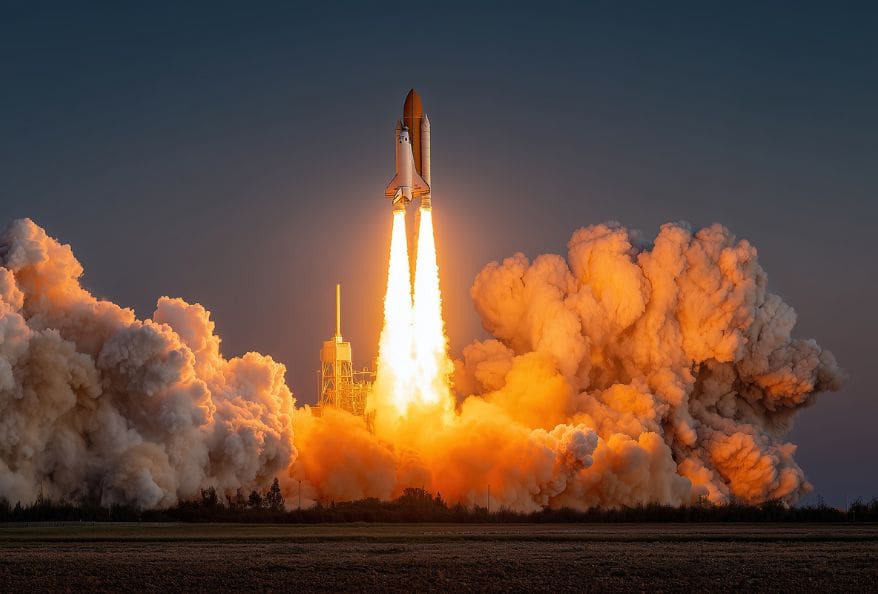
Balancing these forces is essential for a successful launch. Students can observe these forces through experiments with model rockets.
Hands-On Learning With Model Rockets
Hands-on learning is one of the best ways to understand rocket science. Model rockets provide a safe and effective way for students to explore aerospace concepts.
Students can build a simple rocket using materials such as:
- Paper or plastic body
- Nose cone
- Fins
- Small propulsion system
By launching these rockets, students can observe flight patterns and analyze performance. This practical approach strengthens their understanding of scientific principles.
Building a Balloon Rocket Experiment
A balloon rocket is a simple yet powerful experiment to demonstrate rocket principles. It clearly shows how Newton’s Third Law works in real life.
Steps for the Experiment
- Attach a balloon to a straw
- Thread the straw through a string
- Inflate the balloon and release it
As the air escapes, the balloon moves forward, demonstrating action and reaction forces. This activity helps students visualize how rockets generate thrust.
Designing and Testing Rocket Models
Design plays a major role in rocket performance. Students can experiment with different design elements to understand their impact.
Key Design Factors
- Fin Shape and Size – Affects stability
- Nose Cone Design – Influences aerodynamics
- Weight Distribution – Impacts balance and flight path
By modifying these elements, students can observe how design changes affect speed and stability. This encourages critical thinking and experimentation.
Measuring Speed and Acceleration
Understanding rocket performance requires measuring speed and acceleration. These parameters help students analyze how well their rocket performs.
Speed is calculated by measuring distance and time, while acceleration refers to how quickly the speed changes.
Students can:
- Use stopwatches to record flight time
- Measure launch height or distance
- Compare different designs
This data-driven approach enhances analytical skills and scientific understanding.
The Role of Physics in Rocket Engineering
Physics is the foundation of rocket engineering. Concepts such as force, motion, energy, and aerodynamics are essential for designing efficient rockets.
Engineers use these principles to:
- Reduce air resistance
- Improve thrust efficiency
- Ensure stability during flight
Understanding these concepts helps students connect classroom learning with real-world applications.
Importance of Rocket Fuel Types
Fuel plays a critical role in rocket performance. Different fuels provide varying levels of efficiency and control.
Common fuel types include:
- Solid fuel for simplicity
- Liquid fuel for precision
- Hybrid fuel for flexibility
The choice of fuel affects thrust, speed, and overall mission success. Learning about fuel types helps students understand real-world aerospace challenges.
Safety in Rocket Experiments
Safety is an essential part of rocket science projects. Students must follow proper guidelines to ensure safe and responsible experimentation.
Safety Tips
- Launch rockets in open areas
- Maintain safe distance from spectators
- Use approved materials
- Follow teacher or instructor guidance
By prioritizing safety, students can enjoy experiments while minimizing risks.
Real-World Applications of Rocket Science
Rocket science is not limited to space exploration. It has applications in various fields, including:
- Satellite communication
- Weather monitoring
- Space missions
- Defense systems
Organizations like National Aeronautics and Space Administration use advanced rocket technology to explore space and conduct scientific research.
Understanding these applications helps students see the importance of rocket science in everyday life.
Encouraging Innovation and Future Careers
Rocket science for high school students opens pathways to exciting careers in aerospace engineering, physics, and technology. By engaging in hands-on projects, students develop skills that are highly valuable in the modern world.
These skills include:
- Problem-solving
- Critical thinking
- Creativity
- Technical knowledge
Early exposure to robotics and aerospace concepts helps students make informed career choices.
Conclusion on Rocket Science for High School Students
Rocket science for high school students is a powerful way to combine learning with creativity and experimentation. Through hands-on projects, students gain a deeper understanding of physics, engineering, and real-world applications.
By building and testing rockets, analyzing data, and exploring design improvements, learners develop essential STEM skills. These experiences not only enhance academic knowledge but also inspire future innovation.
As students continue to explore rocket science, they take their first steps toward becoming the scientists and engineers of tomorrow.
References
- Radulescu, G. (2026). Making Outer Space Legal: The “Appearance” of Extraterrestrial Intelligence at the Dawn of the Space Age. Histories, 6(1), 12. https://doi.org/10.3390/histories6010012
- Maas, N., Feles, S., & de Vera, J.-P. (2025). The apex MCC: Blueprint of an Open-Source, Secure, CCSDS-Compatible Ground Segment for Sounding Rockets, CubeSats, and Small Lander Missions. Eng, 6(9), 246. https://doi.org/10.3390/eng6090246