
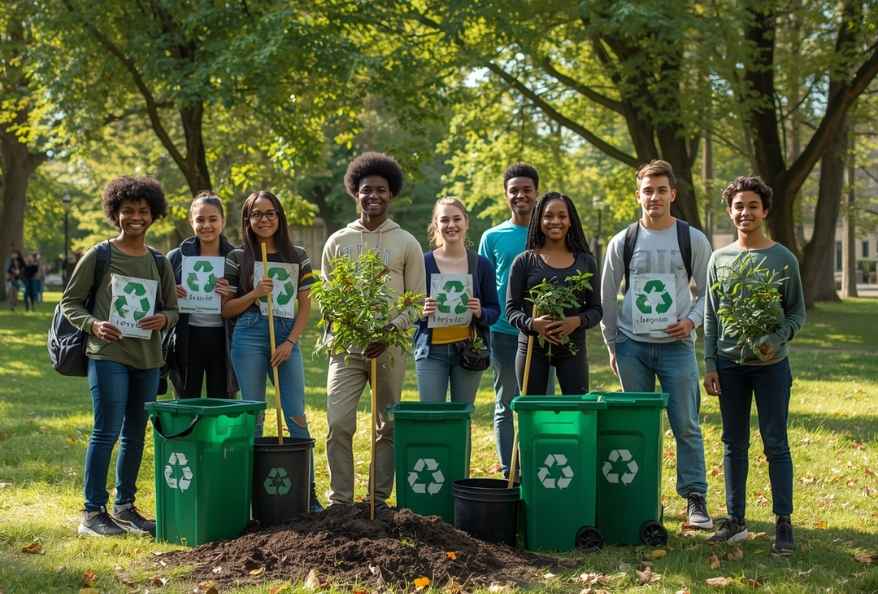
Global warming solutions for students are becoming increasingly important in today’s world. Young individuals hold the power to influence environmental change and create sustainable communities. By engaging in climate action, students not only develop awareness but also contribute to solving real-world environmental problems.
The involvement of students in climate-related initiatives helps them understand the natural environment more deeply. As a result, they can identify local issues and design effective solutions. From small school-based efforts to community-level projects, every action plays a role in reducing global warming.
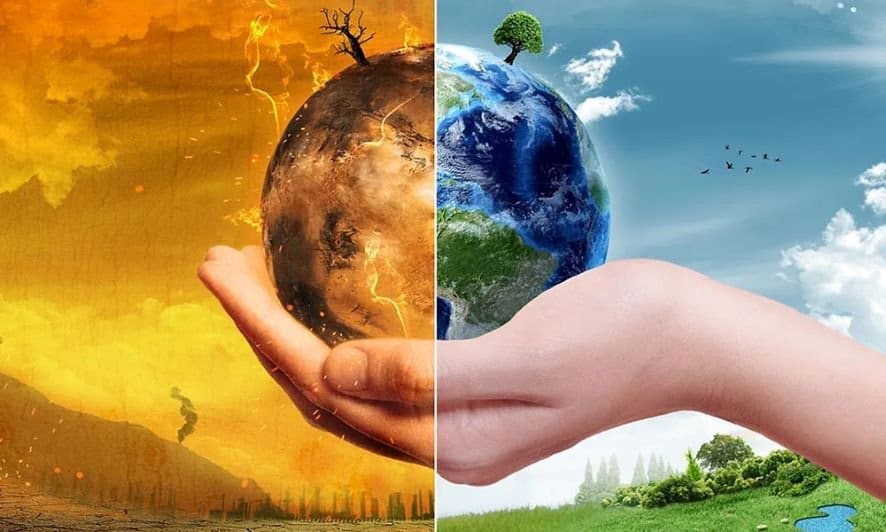
Understanding Global Warming Effects
Global warming refers to the gradual increase in Earth’s temperature due to greenhouse gas emissions such as carbon dioxide. This phenomenon leads to serious environmental and social consequences.

For instance, rising sea levels threaten coastal regions, while extreme weather events disrupt ecosystems and human life. According to the World Health Organization, climate change could cause an additional 250,000 deaths annually due to health-related impacts.
Moreover, melting ice caps, biodiversity loss, and food insecurity are becoming more common. Therefore, understanding these effects is essential for students to take meaningful action.
Importance of Student Involvement in Climate Action
Engaging students in environmental activities builds responsibility and leadership. When students actively participate in climate initiatives, they develop problem-solving and critical thinking skills.
In addition, they become more aware of sustainability practices and their long-term impact. Schools and communities benefit greatly when students take initiative in environmental protection.
For example, awareness campaigns and workshops allow students to educate peers and create a ripple effect of positive change.
Practical Global Warming Solutions for Students
Recycling and Waste Management
Recycling is one of the easiest and most effective solutions. Students can:
- Set up recycling bins in schools
- Reduce single-use plastics
- Reuse materials creatively
These actions help minimize waste and reduce environmental pollution.
Tree Planting Initiatives
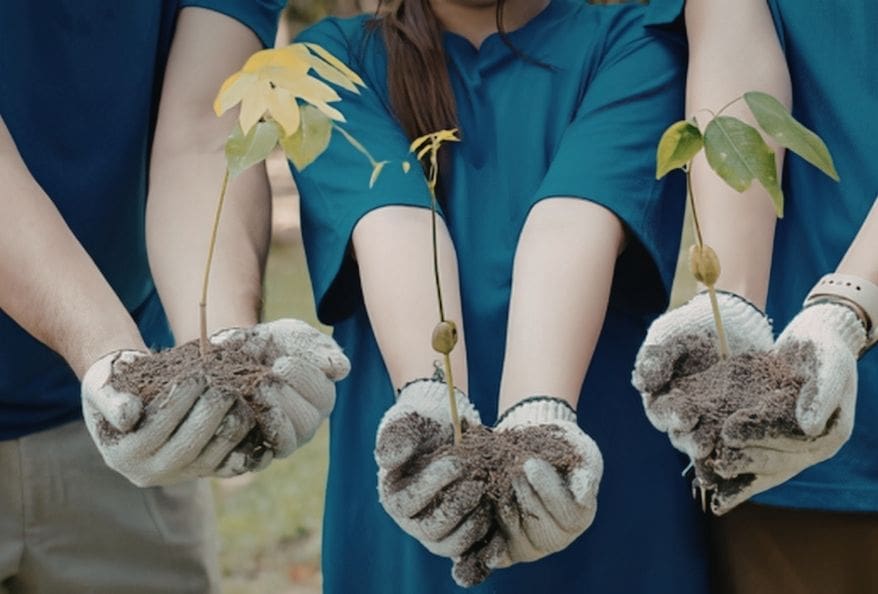
Tree planting is a powerful solution to combat global warming. Trees absorb carbon dioxide and improve air quality.
Students can:
- Organize plantation drives
- Participate in local green programs
- Maintain school gardens
Such initiatives not only improve the environment but also strengthen community bonds.
Energy Conservation
Reducing energy consumption lowers greenhouse gas emissions. Students can practice:
- Turning off unused lights and devices
- Using energy-efficient appliances
- Promoting renewable energy awareness
Even small energy-saving habits can make a significant difference over time.
Sustainable Transportation
Transportation contributes heavily to global warming. Students can adopt eco-friendly habits such as:
- Walking or cycling to school
- Using public transport
- Carpooling with friends
These actions reduce carbon emissions and promote healthier lifestyles.
Community Gardens and Sustainable Projects
Community gardens provide hands-on learning experiences. They help students understand sustainable agriculture and food systems.
Benefits include:
- Reduced carbon footprint
- Improved local food access
- Increased environmental awareness
Innovative Teaching Strategies for Climate Education
Educators play a key role in shaping student understanding of climate change. Using innovative teaching strategies can make learning more engaging.
For instance, real-world data analysis helps students connect theory with practical issues. Collaborative group projects encourage teamwork and problem-solving.
Additionally, integrating current environmental news into lessons keeps students informed and engaged. Technology tools such as data visualization and simulations further enhance understanding.
Research shows that students exposed to interactive learning methods demonstrate higher awareness and better analytical skills.
Exploring the Carbon Cycle
Understanding the carbon cycle is essential for grasping climate change concepts. It explains how carbon moves between the atmosphere, plants, oceans, and soil.
Interactive activities such as experiments and models can help students visualize this process. As a result, they better understand how human activities impact the environment.
Practical initiatives like recycling and tree planting directly influence the carbon cycle, making learning more meaningful.
Real-World Applications of Climate Science
Students can apply their knowledge through real-world projects. These projects not only address environmental issues but also build practical skills.
Some effective approaches include:
- Researching local environmental problems
- Designing sustainability proposals
- Launching awareness campaigns
- Collaborating with local organizations
Working with environmental groups provides access to resources and expert guidance. It also enhances the impact of student-led initiatives.
Hands-On Activities for Climate Awareness
Hands-on activities make climate education more engaging and impactful. Students can participate in:
- Tree planting events
- Recycling drives
- Energy-saving campaigns
- School sustainability programs
These activities help students connect theory with action. As a result, they develop a deeper sense of environmental responsibility.
Importance of Biodiversity
Biodiversity plays a crucial role in maintaining ecological balance. Healthy ecosystems are more resilient to climate change.
Students can support biodiversity by:
- Protecting local habitats
- Promoting native plants
- Participating in conservation programs
Community initiatives such as gardens and green spaces contribute significantly to biodiversity preservation.
Integrating Technology in Climate Learning
Technology enhances climate education by making complex concepts easier to understand. Students can use:
- Apps to track carbon footprint
- Online tools for data analysis
- Social media for awareness campaigns
These tools encourage active participation and allow students to share their work with a wider audience.
Encouraging Youth Participation in Climate Solutions
Empowering students to take action is essential for long-term sustainability. When students lead initiatives, they develop confidence and leadership skills.
Encouraging youth participation includes:
- Supporting student-led projects
- Providing mentorship and resources
- Promoting collaboration with communities
Research indicates that student involvement can significantly improve environmental awareness and reduce waste in communities.
Conclusion
Global warming solutions for students are not just educational concepts—they are practical actions that can shape the future. By participating in sustainability initiatives, students gain valuable skills while contributing to environmental protection.
From recycling programs to community projects, every effort counts. When students take responsibility and work together, they create meaningful change.
Ultimately, empowering young individuals ensures a sustainable future for our planet. Their actions today will define the world of tomorrow.
Reference
- National Aeronautics and Space Administration. (2024). Global climate change: Vital signs of the planet. https://climate.nasa.gov/
- U.S. Environmental Protection Agency. (2025). Climate change indicators. https://www.epa.gov/climate-indicators