
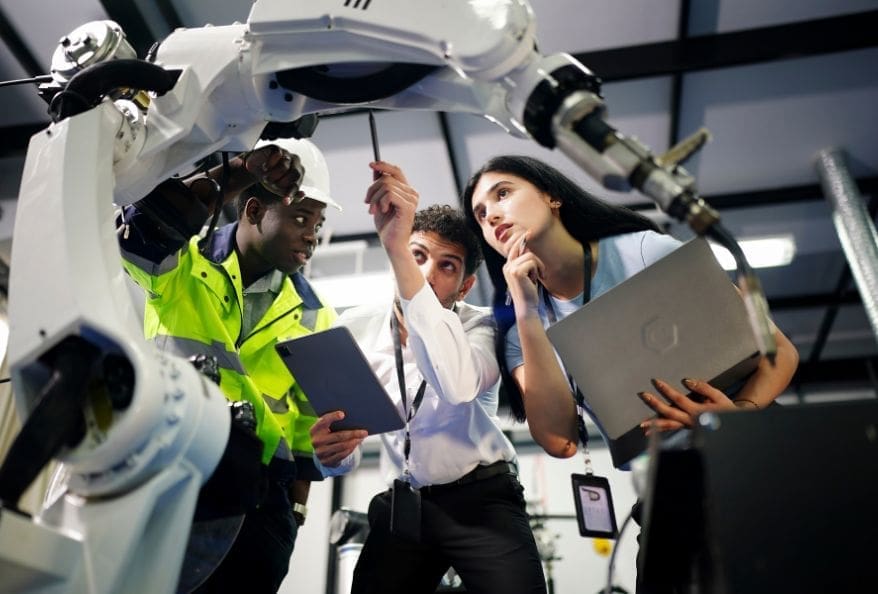
Industrial robotics education is rapidly transforming how students learn about automation, programming, and engineering. In today’s technology-driven world, robotics is no longer limited to industries; it has become an essential part of modern education. By introducing students to robotics at an early stage, educators can bridge the gap between theoretical knowledge and real-world applications.
Through hands-on projects and interactive learning, students gain practical experience that strengthens their understanding of automation systems. These activities not only make learning engaging but also help learners develop critical thinking and problem-solving skills. As a result, industrial robotics education plays a vital role in preparing students for future careers in STEM fields.
Understanding Industrial Robotics Education
Industrial robotics education focuses on teaching students how robots operate in automated environments. It introduces essential concepts such as programming, sensor integration, motor control, and system design. These concepts form the foundation of robotics and automation technologies used in industries like manufacturing, healthcare, and logistics.
Students learn how robots perform repetitive and precise tasks, improving efficiency and reducing human effort. By understanding these systems, learners can appreciate how automation impacts everyday life. Moreover, this knowledge enables them to design innovative solutions to real-world problems.
Hands-On Learning With Robotics
Hands-on learning is one of the most effective methods in industrial robotics education. Instead of relying solely on theory, students actively build and program robots, making the learning process more engaging and practical.
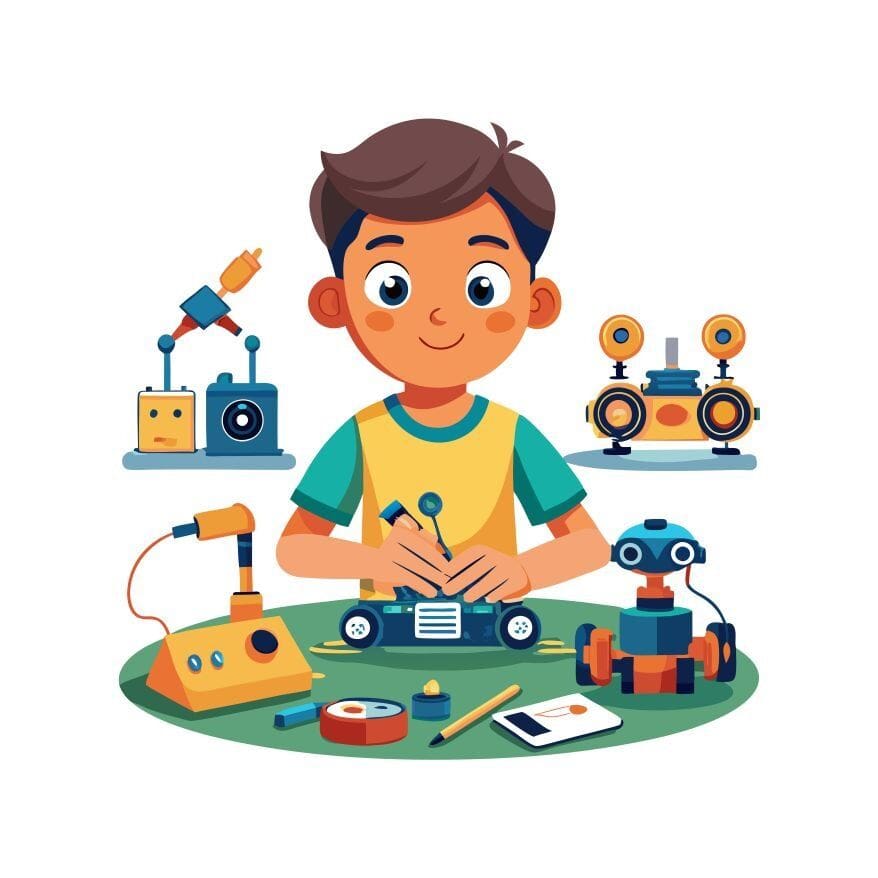
For instance, constructing a line-following robot is a popular beginner project. In this activity, students use infrared sensors to detect a path and guide the robot accordingly. This project introduces key concepts such as sensor-based navigation and real-time decision-making.
As students assemble components like motors, wheels, and microcontrollers, they gain a deeper understanding of how each part contributes to the robot’s functionality. Additionally, experimenting with different designs and pathways enhances their creativity and analytical skills.
Exploring Automation Through Projects
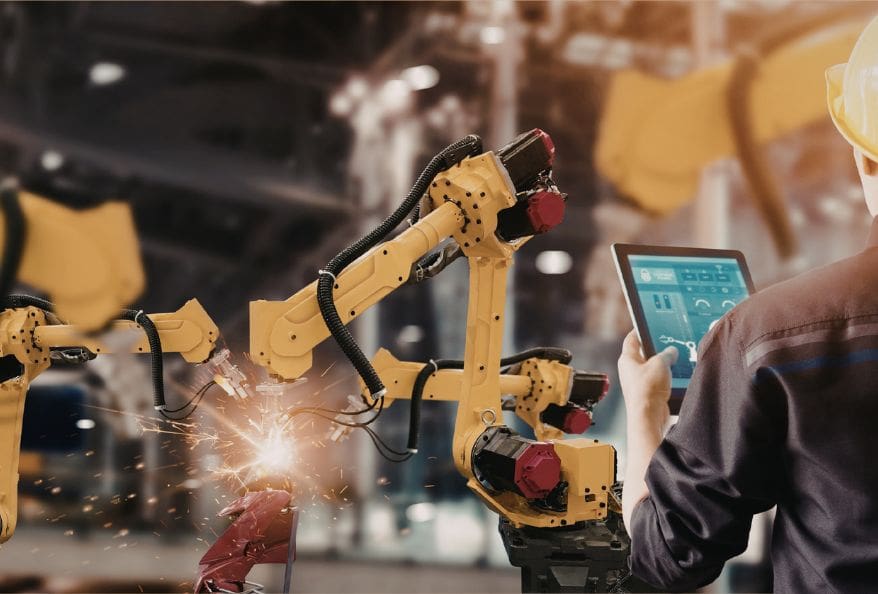
Automation becomes easier to understand when students work on real-world projects. Building a line-following robot provides a clear example of how automation systems operate.
In this project, students:
- Build a robot using a chassis, motors, and wheels
- Use a microcontroller such as Arduino
- Integrate infrared (IR) sensors to detect lines
- Write code to control motor movements
The robot follows a predefined path, demonstrating how sensors and programming work together. By experimenting with different path designs, students can improve the robot’s performance and learn how to optimize automation systems.

Also Read: Free STEM Education Resources for Students
Mastering Programming for Robotics
Programming is a core component of industrial robotics education. Students learn how to write code that controls robot behavior based on sensor input. This process helps them understand how software interacts with hardware.
Beginner-friendly platforms like Arduino allow students to easily start coding without prior experience. They learn important concepts such as:
- Input and output processing
- Conditional logic
- Loop structures
- Motor control algorithms
As students refine their code, they observe how small changes impact the robot’s performance. This iterative process strengthens their understanding of programming and enhances their problem-solving abilities.
The Future of Industrial Automation
The future of industrial robotics education is closely linked to advancements in automation technologies. Industries are increasingly adopting robotics to improve productivity, accuracy, and efficiency.
Emerging trends include:
- Smart factories with automated systems
- Integration of robotics with Internet of Things (IoT)
- AI-powered decision-making in robots
These developments highlight the growing demand for skilled professionals in robotics and automation. By learning these skills early, students can stay ahead in a competitive job market.
Building a Robotic Arm: A Practical Guide
Another exciting project in industrial robotics education is building a robotic arm. This project introduces students to mechanical engineering and advanced automation concepts.
A robotic arm consists of:
- Motors for movement
- Sensors for feedback
- Control systems for coordination
Students can experiment with different designs to understand how each component affects performance. For example, adjusting motor positions or adding sensors can improve precision and efficiency.
This project not only enhances technical skills but also encourages creativity and innovation. It allows students to connect theoretical knowledge with practical applications.
Key Skills for Robotics Students
Industrial robotics education helps students develop a wide range of skills that are essential for future careers.
Technical Skills
Students learn programming, circuit design, and sensor integration. These skills form the backbone of robotics and automation systems.
Problem-Solving Skills
Robotics projects often involve troubleshooting and experimentation. Students learn to identify issues and find effective solutions.
Critical Thinking
Analyzing robot behavior and improving performance requires logical reasoning and decision-making.
Creativity
Designing and building robots encourages innovative thinking and experimentation.
These skills prepare students for careers in engineering, automation, and technology.
Integrating Sensors in Robot Design
Sensors play a crucial role in robotics by allowing machines to interact with their environment. In industrial robotics education, students learn how to integrate sensors into their projects.
Common sensors include:
- Infrared sensors for line detection
- Ultrasonic sensors for distance measurement
- Temperature sensors for environmental monitoring
By using sensors, robots can respond to real-time data, making them more efficient and intelligent. This understanding is essential for developing advanced automation systems.
Motion Control Techniques in Robotics
Motion control is a key aspect of robotics that ensures accuracy and efficiency. Students learn various techniques to control robot movement.
These include:
- Pulse Width Modulation (PWM) for speed control
- Feedback systems for precision
- Path-following algorithms
Understanding these techniques helps students design robots that perform tasks reliably and efficiently.
Real-World Applications of Robotics
Industrial robotics education connects directly to real-world applications. Robots are widely used in various industries, including:
- Manufacturing for assembly lines
- Healthcare for robotic surgeries
- Agriculture for automated farming
- Logistics for warehouse management
For example, line-following robots are used in warehouses to transport goods efficiently. By learning about these applications, students understand the practical importance of robotics.
Advancements in Industrial Technology
Technological advancements are making robotics education more accessible and effective. Modern tools and platforms enable students to learn robotics with ease.
Some key advancements include:
- Affordable robotics kits for beginners
- Open-source programming platforms
- Online learning resources
These innovations allow students to experiment and learn at their own pace. As technology continues to evolve, robotics education will become even more important.
Conclusion
Industrial robotics education is shaping the future of learning by combining theory with practical experience. Through hands-on projects, students gain valuable skills in programming, automation, and problem-solving.
By building robots, experimenting with designs, and understanding real-world applications, learners develop a strong foundation in robotics. These skills not only prepare them for careers in STEM fields but also empower them to innovate and solve complex challenges.
As industries continue to adopt automation, the importance of industrial robotics education will only grow. Students who engage in robotics today will become the innovators and engineers of tomorrow.
References:
- Alvarez, J., & Perez, M. (2021). Hands-on robotics learning using Arduino platforms for engineering education. Electronics, 10(9), 1056. https://doi.org/10.3390/electronics10091056
- Chen, L., & Wang, H. (2022). Automation and industrial robotics in modern manufacturing systems. Machines, 10(7), 567. https://doi.org/10.3390/machines10070567
- Garcia, D., & Lopez, R. (2020). Sensor integration and control systems in robotics education. Sensors, 20(15), 4321. https://doi.org/10.3390/s20154321