

Estimated reading time: 6 minutes
Climate change threatens our planet’s future. Students today hold the key to solving this crisis through renewable energy innovation—by reimagining how energy is generated, stored, and used in everyday life.
Renewable energy for Students represents one of the most critical fields in modern STEM education. As traditional fossil fuels deplete and environmental concerns grow, understanding clean energy sources becomes essential for the next generation of scientists and engineers. This guide explores renewable energy fundamentals and shows how students can contribute to this vital field, particularly through platforms like the NYC STEM Conference.
What Is Renewable Energy?
Renewable energy comes from natural sources that replenish constantly. Unlike fossil fuels, these energy sources won’t run out.
The sun shines daily. Wind blows continuously. Rivers flow without stopping. These natural phenomena provide endless energy potential. Scientists and engineers have developed technologies to capture this energy and convert it into electricity we can use.
Main Types of Renewable Energy
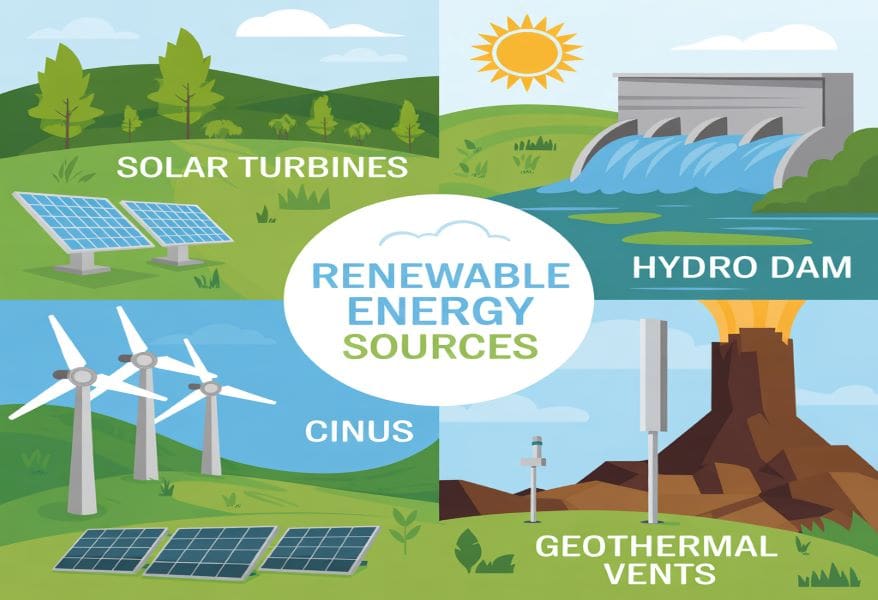

Solar Energy: Photovoltaic panels convert sunlight into electricity. Solar thermal systems use heat from the sun.
Wind Energy: Turbines capture wind’s kinetic energy. This transforms into electrical power.
Hydroelectric Power: Moving water spins turbines. Dams and river systems generate electricity.
Biomass Energy: Organic materials produce energy through combustion or conversion processes.
Geothermal Energy: Earth’s internal heat powers generators. This source provides consistent energy.
Why Renewable Energy for Students Matters
Understanding renewable energy shapes your future career opportunities. Moreover, it addresses global challenges.
Environmental Protection: Renewable sources produce minimal greenhouse gases. They reduce air pollution significantly. Traditional energy damages ecosystems, whereas clean energy preserves them.
Energy Security: Countries reduce dependence on imported fuels. Local renewable resources provide independence. Additionally, diverse energy sources create stability.
Economic Growth: The renewable sector creates millions of jobs. Furthermore, it drives technological innovation. Students entering this field find abundant opportunities.
Scientific Advancement: Renewable energy pushes engineering boundaries. It combines physics, chemistry, and materials science. Consequently, it offers rich research possibilities.
How Renewable Energy Works: A Simple Breakdown
Let’s examine solar panels as an example. This illustrates how renewable technology operates.
Step 1: Photons from sunlight hit the solar panel. These light particles carry energy.
Step 2: Silicon cells in the panel absorb photons. This creates an electrical field.
Step 3: The electrical field forces electrons to move. This movement generates direct current (DC) electricity.
Step 4: An inverter converts DC to alternating current (AC). AC powers homes and buildings.
Step 5: Excess electricity flows to the grid. Alternatively, batteries store it for later use.
Similarly, wind turbines follow a straightforward process. Wind spins the blades. The rotor connects to a generator. The generator produces electricity through electromagnetic induction.
Real-World Applications Across Industries

Renewable energy transforms multiple sectors:
Healthcare
- Solar-powered medical clinics in remote areas
- Hospital backup systems using clean energy
- Medical equipment powered by renewable sources
- Reduced operational costs for healthcare facilities
Engineering
- Smart grid development and optimization
- Energy storage system design
- Efficiency improvements in conversion technology
- Integration of renewable sources into existing infrastructure
Environmental Science
- Climate change mitigation strategies
- Ecosystem preservation through clean energy
- Carbon footprint reduction programs
- Sustainable development initiatives
Education
- Campus solar installations as learning labs
- Student research on energy efficiency
- STEM curricula incorporating renewable technology
- Hands-on projects with clean energy systems
Technology
- Electric vehicle charging infrastructure
- Internet of Things (IoT) devices powered by solar
- Data centers using renewable electricity
- Advanced battery technology development
Benefits of Renewable Energy
- Cost Reduction: Operating costs decrease significantly over time
- Sustainability: Resources never deplete with proper management
- Minimal Pollution: Near-zero emissions during operation
- Job Creation: Rapid employment growth in the sector
- Energy Independence: Reduced reliance on imported fuels
- Innovation Driver: Constant technological improvements
- Health Benefits: Cleaner air improves public health
Challenges and Limitations
Despite its advantages, renewable energy faces obstacles. Understanding these helps students identify research opportunities.
Intermittency Issues: Solar panels need sunlight. Wind turbines require wind. This creates supply variability. However, battery technology advances address this challenge.
Initial Costs: Installation expenses remain high. Nevertheless, prices continue dropping rapidly. Government incentives help offset these costs.
Location Dependence: Some areas lack strong renewable resources. For instance, cloudy regions produce less solar power. Scientists work on efficiency improvements to counter this.
Storage Technology: Batteries store excess energy. Current technology has limitations. Researchers actively develop better solutions.
Grid Integration: Existing infrastructure needs upgrades. Consequently, this requires significant investment. Smart grid technology helps manage this transition.
Future Scope and Innovation Opportunities
Renewable energy offers exciting frontiers for student researchers.
Student Project Ideas
- Design small-scale wind turbines for urban environments
- Develop solar-powered water purification systems
- Create energy monitoring apps using IoT sensors
- Research bio-inspired photovoltaic materials
- Build community microgrids using renewable sources
- Analyze renewable energy policy effectiveness
Emerging Trends
Perovskite Solar Cells: These materials promise higher efficiency. They’re cheaper than traditional silicon. Research continues improving their stability.
Floating Solar Farms: Panels on water bodies save land. They benefit from cooling effects. This innovation expands installation possibilities.
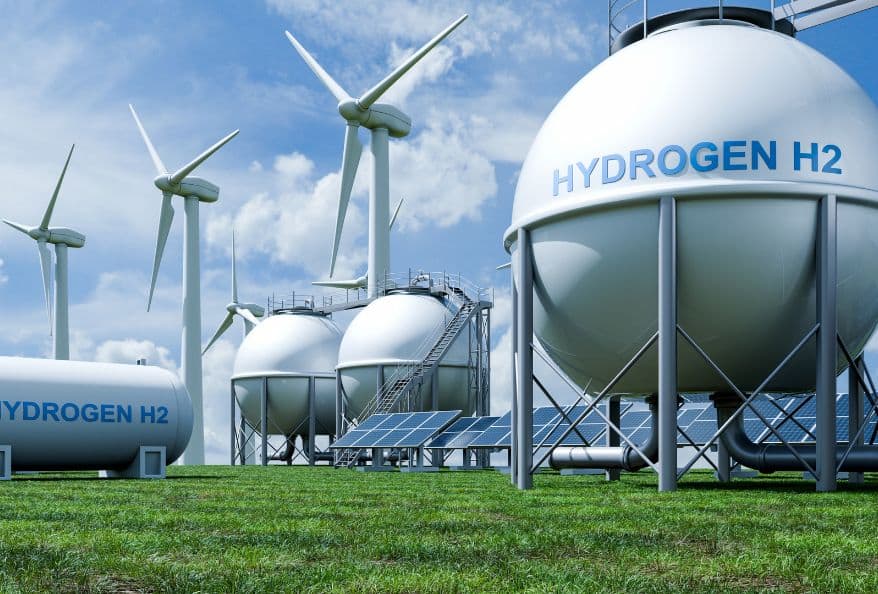
Green Hydrogen: Renewable electricity produces hydrogen fuel. This stores energy effectively. Transportation sectors show strong interest.
Artificial Intelligence Integration: AI optimizes energy distribution. Machine learning predicts demand patterns. This increases overall efficiency.
Key Takeaways
- Renewable energy comes from naturally replenishing sources like sun and wind
- Students entering this field find abundant career opportunities
- Multiple technologies exist, each suited for different applications
- Real-world applications span healthcare, engineering, education, and beyond
- Challenges include storage, intermittency, and initial costs
- Future innovations offer exciting research possibilities
Also read: Understanding Renewable Energy
Conclusion
Renewable energy represents humanity’s path toward sustainable living. Students possess the creativity and knowledge to advance this field. Your research and innovation can solve current limitations.
The NYC STEM Conference welcomes your contributions. Whether you’re designing solar systems, researching wind efficiency, or developing storage solutions, your work matters. Join fellow innovators. Share your ideas. Shape the future of clean energy.
Ready to make an impact? Submit your renewable energy project to the NYC STEM Conference today.
Reference:
Renewable energy as a solution to climate change (2024). PLoS One, 19(6), e0299807. https://doi.org/10.1371/journal.pone.0299807