
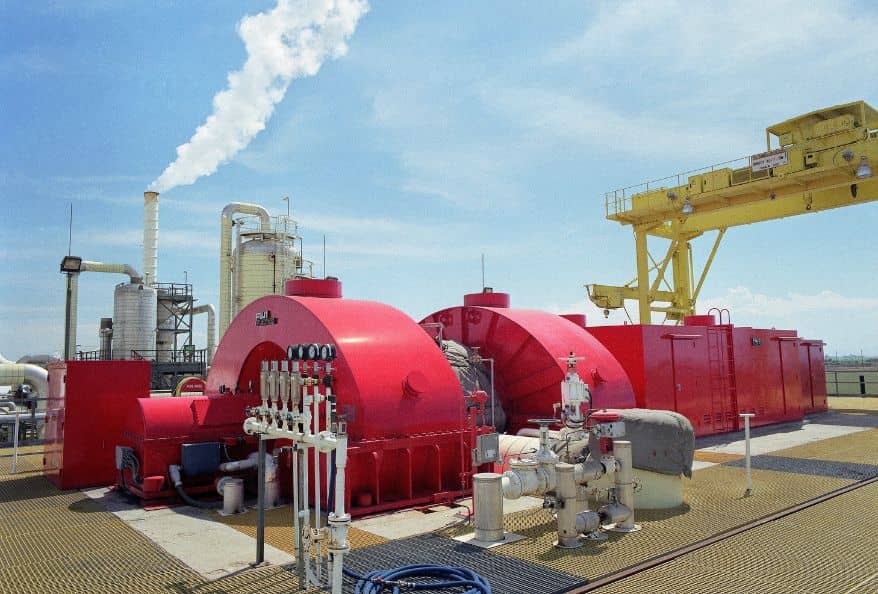
Renewable energy sources play an important role in sustainable development. Among these sources, geothermal power plant technology uses the Earth’s internal heat to generate electricity. This technology captures steam or hot water from underground reservoirs and uses that energy to produce power.
In geothermal systems, steam from underground reservoirs drives turbines connected to generators. As a result, mechanical energy converts into electricity. Because the heat beneath the Earth is constant, geothermal power plants can produce energy continuously.
Unlike solar or wind energy, geothermal plants are not dependent on weather conditions. Therefore, they can operate around the clock and provide stable baseload electricity for power grids. In addition, geothermal energy has a very low carbon footprint, making it an environmentally friendly alternative to fossil fuels.
How Geothermal Power Plant Technology Generates Electricity
Modern geothermal power plant technology converts underground heat into electricity using steam-driven turbines.
The process begins when engineers drill wells deep into geothermal reservoirs beneath the Earth’s surface. Hot water or steam naturally rises through these wells due to underground pressure. This steam is then directed through pipes toward turbines.
Turbine Power Generation
When steam reaches the turbine, it spins the turbine blades. These turbines are connected to generators that convert mechanical motion into electrical energy. Consequently, geothermal heat becomes usable electricity for homes, industries, and power grids.
This process supports clean energy production and significantly reduces greenhouse gas emissions compared to fossil fuel power plants.
Steam Generation in Geothermal Power Plant Technology

Steam generation is the core process that powers geothermal electricity production. Underground reservoirs contain high-temperature water or steam trapped in rock formations beneath the Earth’s surface.
The steam travels through pipelines to reach the turbines inside geothermal power plants. Once the steam drives the turbine, it is cooled and often converted back into water.
Reinjection for Sustainability
The cooled water is typically reinjected back into the geothermal reservoir. Reinjection helps maintain underground pressure and ensures the long-term sustainability of geothermal resources. This process also prevents the depletion of geothermal reservoirs and maintains continuous energy production.
Types of Geothermal Power Plant Technology
There are three primary types of geothermal power plant systems used worldwide. Each system operates based on the temperature and characteristics of geothermal reservoirs.
Dry Steam Geothermal Power Plant Technology
Dry steam plants are the oldest form of geothermal power technology. These plants directly use steam from underground reservoirs to spin turbines.
Because the steam is already available naturally, dry steam plants are highly efficient. However, they require rare geothermal reservoirs that naturally produce steam.
Flash Steam Geothermal Power Plant Technology
Flash steam plants are the most common geothermal power systems today. These plants use high-pressure hot water extracted from geothermal reservoirs.
When this hot water reaches the surface, the pressure drops suddenly. This pressure drop converts part of the water into steam. The generated steam then drives turbines to produce electricity.
Binary Cycle Geothermal Power Plant Technology
Binary cycle power plants use lower-temperature geothermal resources. Instead of directly using geothermal steam, these plants transfer heat from hot water to another liquid with a lower boiling point.
This secondary liquid vaporizes and spins the turbine. Binary cycle plants produce very low emissions and are widely used in modern geothermal energy systems.
Geothermal Power Plant Technology and Geothermal Reservoirs
Successful geothermal energy production depends on geothermal reservoirs located deep beneath the Earth’s surface. These reservoirs contain hot water or steam trapped within porous rock formations.
Scientists and engineers identify geothermal sites using geological surveys, temperature measurements, and underground imaging techniques.
Regions with volcanic activity, tectonic plate boundaries, or hot springs are ideal locations for geothermal energy production. For example, the United States currently has more than 3,000 megawatts of installed geothermal power capacity.
These geothermal facilities provide reliable baseload electricity and support national renewable energy goals.
Innovations Improving Geothermal Power Plant Technology
Recent technological advancements continue to improve geothermal power generation. New drilling techniques allow engineers to access deeper geothermal reservoirs and increase energy output.
Enhanced geothermal systems (EGS) are one of the most promising innovations. These systems create artificial reservoirs by injecting water into hot underground rock formations. This technology allows geothermal energy production even in areas without natural geothermal reservoirs.
Advanced Turbines in Geothermal Power Plant Technology
Modern turbine technology has significantly improved geothermal power plant efficiency. New turbine designs maximize energy extraction from geothermal steam.
High-efficiency turbine systems increase electricity production while reducing maintenance requirements. In addition, advanced materials protect turbines from extreme heat and corrosion.
As a result, geothermal power plants can operate more efficiently and maintain longer operational lifespans.
Environmental Benefits of Geothermal Power Plant Technology
One major advantage of geothermal power plant technology is its minimal environmental impact. Geothermal power plants release significantly fewer greenhouse gases than fossil fuel power plants.
Furthermore, geothermal facilities require relatively small land areas compared to solar farms or wind farms. This reduces environmental disturbance and land usage.
Reinjection of geothermal fluids also protects underground reservoirs and prevents contamination. Consequently, geothermal energy contributes to cleaner air quality and supports sustainable energy development.
The Future of Geothermal Power Plant Technology
The global demand for renewable energy continues to grow rapidly. As a result, geothermal power plant technology is becoming increasingly important for sustainable electricity generation.
Experts predict that the global geothermal energy market could reach approximately $60 billion by 2025. Advances in drilling technology, reservoir exploration, and enhanced geothermal systems will likely expand geothermal energy production worldwide.
In addition, geothermal power contributes to energy security because it provides stable and reliable electricity independent of weather conditions.
Final Thoughts
Geothermal power plant technology offers a sustainable solution for clean electricity generation. By using heat from the Earth’s interior, geothermal plants produce reliable power with minimal environmental impact.
With continued innovations in drilling technology, turbine efficiency, and geothermal exploration, this renewable energy source will likely play a major role in the future global energy mix.
Ultimately, geothermal energy supports worldwide efforts to create sustainable, low-carbon power systems while ensuring reliable electricity supply.
Reference
- DiPippo, R. (2016). Geothermal power plants: Principles, applications, case studies and environmental impact. Energies, 9(10), 843. https://doi.org/10.3390/en9100843