
Environmental Toxicology Conference: Track Overview
The Environmental Toxicology Conference Track offers students an opportunity to explore the scientific study of toxic substances in the environment and their effects on living organisms. This free virtual environmental toxicology conference 2026 brings together environmental scientists, toxicologists, researchers, and public health experts to discuss how pollutants affect ecosystems and human health.
Participants will learn how modern scientific methods are used to identify environmental hazards, analyze chemical exposure, and develop strategies for pollution prevention and environmental protection.
By attending, students can:
- Discover career opportunities in environmental science, toxicology, and public health
- Learn from research on environmental pollutants and their biological impacts
- Build academic and professional connections with experts in environmental health
- Develop research, analytical, and scientific presentation skills
This track encourages the next generation of researchers to contribute to safer environments, sustainable development, and improved public health policies through the Environmental Toxicology Conference.
Key Topics
Latest Blogs & Insights
Explore expert articles, research highlights, and environmental health insights from the field of environmental toxicology and pollution research.
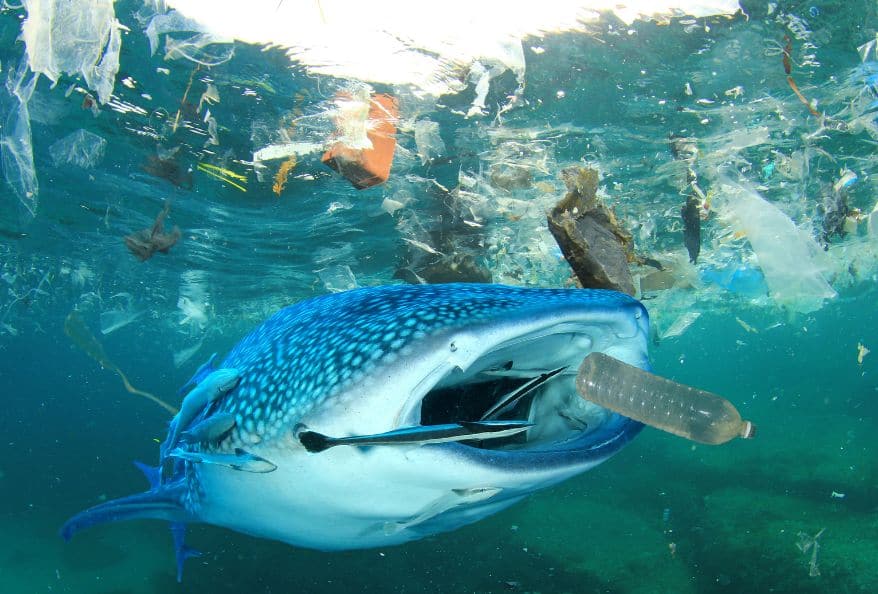
Bioaccumulation Student Experiments: Toxins in Fish Study

Environmental Risk Assessment Methods for Safer Ecosystems
Young Minds for a Cleaner Tomorrow: An Environmental Toxicology Conference
Who Should Attend?
For researchers, innovators, and professionals advancing breakthroughs in genetic engineering and biotechnology.
Important Dates
Submission Guidelines For Presentation (PPT)
Frequently Asked Questions
Environmental Toxicology Conference – NYC STEM 2026
Environmental Toxicology Conference Track Overview
The Environmental Toxicology Conference at NYC STEM 2026 brings together researchers, environmental scientists, and public health experts dedicated to studying the impact of toxic substances on ecosystems and human health. As environmental challenges continue to grow, events like the free virtual environmental toxicology conference 2026 play a critical role in identifying pollutants, understanding chemical exposure, and developing strategies for environmental protection.
Participants attending the Environmental Toxicology Conference will explore emerging research in ecotoxicology, pollution monitoring, environmental risk assessment, and environmental health sciences. These discussions help advance solutions for reducing environmental hazards and promoting sustainable environmental management.
Through research presentations and collaborative discussions, the free virtual environmental toxicology conference 2026 provides a platform for scientists and students to share discoveries, exchange ideas, and contribute to global efforts focused on protecting ecosystems and improving environmental health.
Key Research Areas at the Environmental Toxicology Conference
Environmental Pollution and Ecosystem Health
Environmental pollution can significantly impact ecosystems and biodiversity. Researchers at the Environmental Toxicology Conference study how pollutants affect plants, animals, and microorganisms, and how ecosystems respond to environmental stress.
Understanding these impacts helps scientists develop strategies for environmental conservation and ecosystem restoration.
Chemical Toxicity and Human Health
Toxic chemicals found in air, water, and soil can pose risks to human health. At the free virtual environmental toxicology conference 2026, researchers examine how exposure to toxic substances may influence public health, disease development, and environmental safety.
These studies help inform policies and safety standards that protect communities from harmful environmental exposures.
Environmental Risk Assessment and Pollution Control
Another major focus of the Environmental Toxicology Conference is identifying environmental risks and developing technologies that reduce pollution.
Researchers present work on environmental monitoring systems, pollution detection methods, and sustainable environmental management practices designed to reduce environmental damage and protect ecosystems.
Advancing Research in Environmental Toxicology
Environmental toxicology plays a crucial role in understanding how pollutants, chemicals, and industrial waste affect ecosystems and human health. The Environmental Toxicology track at NYC STEM 2026, highlighted in the free virtual environmental toxicology conference 2026, focuses on pollution monitoring, environmental risk assessment, and sustainable environmental management.
Through research presentations and expert discussions, participants will explore how scientific discoveries are helping develop safer environmental policies, pollution control strategies, and technologies that protect ecosystems and communities.
The Role of Environmental Toxicology in Public Health
Environmental toxicology is closely connected to public health and community well-being. Exposure to toxic chemicals in air, water, and food sources can affect human health in significant ways, making environmental monitoring an essential part of modern health protection strategies.
At the Environmental Toxicology Conference, researchers examine how environmental contaminants may influence respiratory diseases, neurological disorders, and other health conditions. Understanding these connections allows scientists and policymakers to create regulations that limit exposure to harmful substances and protect vulnerable populations.
The conference also encourages discussions on global environmental health challenges, including industrial pollution, chemical waste management, and climate-related environmental risks. By sharing research findings and collaborative ideas, participants contribute to scientific efforts that support safer communities and healthier ecosystems.
Why Attend the Environmental Toxicology Conference
The free virtual environmental toxicology conference 2026 provides an opportunity for students, researchers, and professionals to explore the latest developments in environmental health research.
Connect with Environmental Science Experts
Participants can network with scientists, environmental researchers, and public health professionals working on important environmental issues.
Showcase Environmental Research
Researchers are encouraged to submit presentations highlighting innovative ideas in environmental toxicology, pollution monitoring, and environmental risk assessment.
Contribute to Environmental Protection
By participating in the Environmental Toxicology Conference, attendees contribute to global efforts focused on protecting ecosystems, improving environmental health, and supporting sustainable development.
Participate in the NYC STEM 2026 Environmental Toxicology Conference
The free virtual environmental toxicology conference 2026 welcomes participation from students, environmental scientists, toxicologists, and public health researchers interested in advancing environmental health research.
Participants are invited to submit presentations and research ideas related to environmental toxicology and pollution studies.
Whether your work focuses on chemical toxicity, ecosystem health, environmental monitoring, or pollution prevention, the Environmental Toxicology Conference provides a platform to share knowledge and collaborate with experts dedicated to protecting the environment.