At the present time, climate change projects for students are more important than ever. In simple terms, these projects help students understand real-world problems. As a result, they also build practical skills and awareness. To put it differently, learning by doing creates deeper impact.
Students can explore data, experiments, and real-life solutions. Even small projects can create strong awareness. Let us explore powerful climate change projects for students in detail.
Why Climate Change Projects for Students Matter
Students learn better through hands-on activities. Projects make learning more engaging. They also connect theory with real-world problems.
Building Awareness Through Action
To explain, students understand climate issues by observing real data. As a result, awareness increases naturally. In fact, they begin to notice local environmental changes. For example, temperature shifts or rainfall variations.
Developing Critical Thinking Skills
Another key point, projects improve problem-solving skills. In this case, students analyze patterns and draw conclusions. As can be seen, they learn how to interpret data. In short, they build strong analytical thinking abilities.
Encouraging Sustainable Habits
Projects encourage eco-friendly behavior. Students start saving energy and water. They develop responsible habits that last for years.
Data-Based Climate Change Projects for Students
At the present time, data analysis is very useful. As a result, students can explore climate trends using real datasets.
Analyzing Temperature Changes Over Time
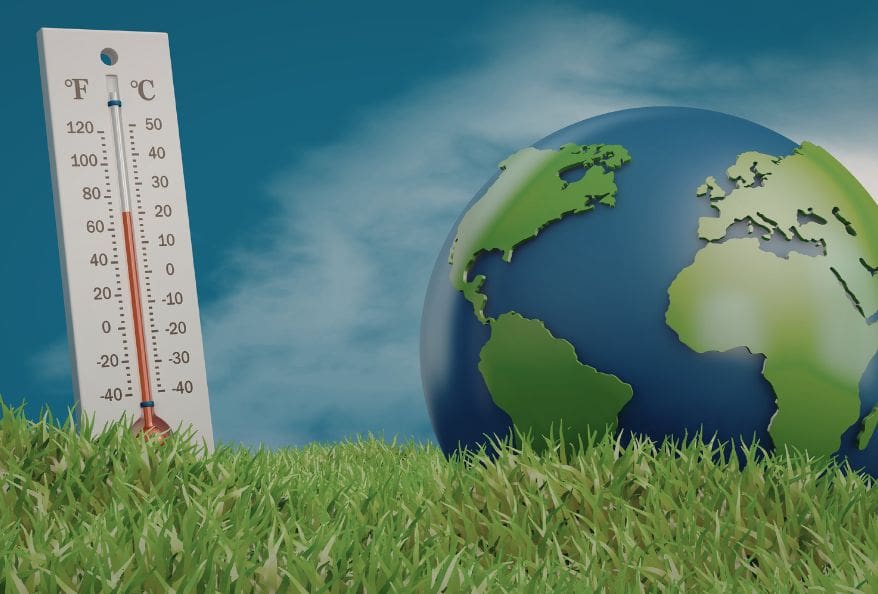

Students can collect global temperature data and study it. They can create graphs to visualize changes over time. Warming trends become clear, even with simple charts.
Carbon Emission Tracking Project
In this case, students measure emissions from daily activities. For example, travel, electricity use, and food habits. To explain, they calculate carbon footprints. With the result that, they understand their impact clearly.
Rainfall Pattern Analysis
As has been noted, rainfall patterns are changing globally. Students can compare past and present rainfall data. As a result, they observe climate variability. In short, this project builds awareness of environmental shifts.
Local Weather Data Collection
At the same time, students can collect local weather data. For example, temperature, humidity, and wind speed. As a result, they build their own dataset. In this case, learning becomes more practical.
Experimental Climate Change Projects for Students
In general, experiments help students see real effects. As a result, they understand climate science better.
Greenhouse Effect Experiment
To explain, students can simulate the greenhouse effect. They use jars, lamps, and thermometers. As a result, they observe heat trapping. In fact, temperature differences become visible quickly.
Melting Ice and Sea Level Rise
At this point, students test how ice melting affects water levels. They compare floating ice and land ice. As a result, they understand sea level rise. In short, this experiment is simple yet powerful.
Soil and Plant Growth Study
In this case, students grow plants under different conditions. For example, varying temperature and water levels. As a result, they observe climate impact on crops. This helps them understand agriculture challenges.
Air Pollution Measurement Project
Students can measure air quality using simple methods. For example, they use paper filters or sensors to collect data. At the same time, pollution levels become visible and easier to understand.
Community-Based Climate Change Projects for Students
Community projects create real impact and extend learning beyond classrooms. Students take part in real activities that benefit their surroundings. This helps them connect knowledge with action.
Local Waste Audit Project
Students collect and analyze waste from homes or schools. They categorize waste into different types like recyclable and non-recyclable. This helps identify recycling opportunities and reduce waste effectively in the community.
Tree Plantation and Monitoring
Students plant trees and track their growth over time. They learn how trees absorb carbon dioxide from the air. They also understand the importance of maintaining ecosystem balance.
Climate Awareness Campaigns
In fact, students can design posters and presentations. They share information with peers and communities. As a result, awareness spreads quickly. In short, communication plays a key role.
Energy Saving Campaign
At least, students can promote energy-saving habits. For example, switching off unused devices. As a result, energy consumption reduces. In this case, small actions create big results.
Technology-Based Climate Change Projects for Students
Technology supports climate solutions and helps students build innovative projects. These projects combine science with digital skills. They also make learning more interactive and practical.
Climate Change Website or Blog
Students create websites or blogs to share climate facts and project results. This helps spread awareness among a wider audience. It also improves their digital and communication skills.
IoT-Based Weather Monitoring System
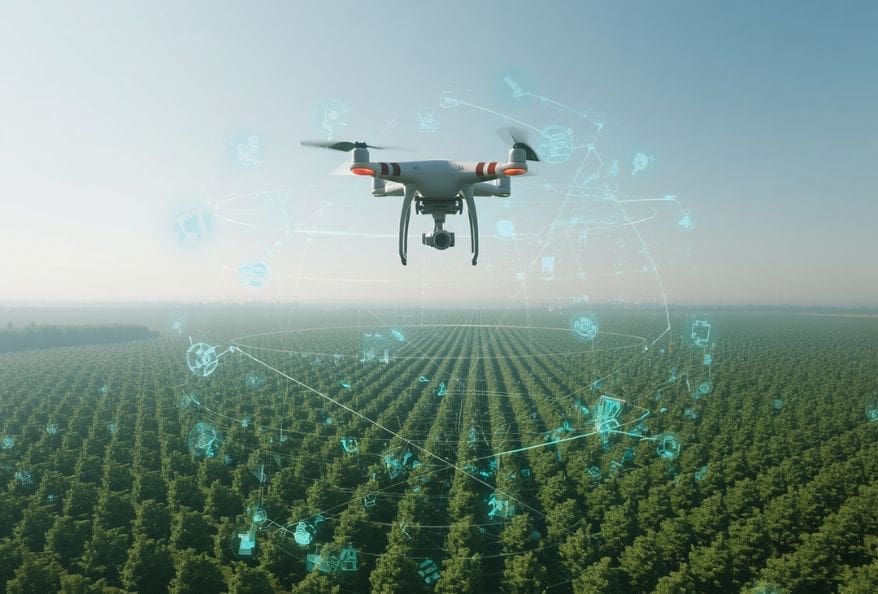
Students build simple sensors to track temperature and humidity. These devices collect real-time data from the environment. This makes learning more practical and connects technology with climate studies.
Data Visualization Dashboard
Students use tools to present climate data through graphs and charts. This helps them understand patterns and trends easily. It also improves their ability to interpret data.
Mobile App for Awareness
Students design simple apps that share tips on sustainability. These apps encourage people to adopt eco-friendly habits. This makes technology a tool for positive environmental change.
Creative Climate Change Projects for Students
In general, creativity makes projects more engaging. As a result, students express ideas effectively.
Infographic Design on Climate Issues
To illustrate, students create visual content. As a result, complex ideas become simple. In fact, visuals improve understanding.
Model of Sustainable City
At this point, students design eco-friendly city models. They include solar panels and green spaces. As a result, they explore future planning ideas.
Simple Climate Change Projects for Beginners
Beginners can start with simple ideas to build confidence gradually. These projects are easy to manage and require minimal resources. They also help students understand basic environmental concepts.
Daily Energy Usage Tracking
Students record electricity usage at home over a few days. They identify patterns and find ways to reduce energy consumption. This creates awareness and encourages responsible habits.
Water Conservation Study
Students measure daily water usage and track wastage. They then apply simple methods to reduce usage. This helps improve conservation practices.
Recycling Habit Analysis
Students observe recycling habits at home or school. They identify areas where waste management can improve. This project is simple and easy to begin with.
Tips to Choose the Best Climate Change Projects for Students
At the present time, choosing the right climate change projects for students is very important.The right project helps students learn effectively and stay motivated.It also ensures that the work is practical and achievable.
Focus on Real-World Problems
Students should choose projects that solve real environmental issues.This helps them connect learning with actual challenges like pollution.It also increases awareness and makes the project more meaningful.
Use Available Resources
Students should use tools and materials that are easily available.This keeps the project simple and manageable.It also saves time and helps focus on learning.
Work in Teams
Teamwork helps students learn better and complete projects efficiently.Students can share ideas and divide tasks.This improves creativity and communication skills.
Final Thoughts
In conclusion, climate change projects for students help build awareness and skills. As a result, students learn by doing and thinking. In essence, these projects prepare them for future challenges.
All things considered, even small projects can create big change. With this in mind, students should take action today. In short, the future depends on informed and active learners.
References
- NASA. (2023). Climate change evidence: How do we know? https://climate.nasa.gov/evidence/
- Li, Y., Zhang, X., & Zhao, X. (2020). Environmental education and sustainable development: A review. Sustainability, 12(21), 8967. https://doi.org/10.3390/su12218967
- Leal Filho, W., Nagy, G. J., Ayal, D. Y., & Mifsud, M. (2022). Climate change education: Challenges and opportunities. Sustainability, 14(3), 1204. https://doi.org/10.3390/su14031204