
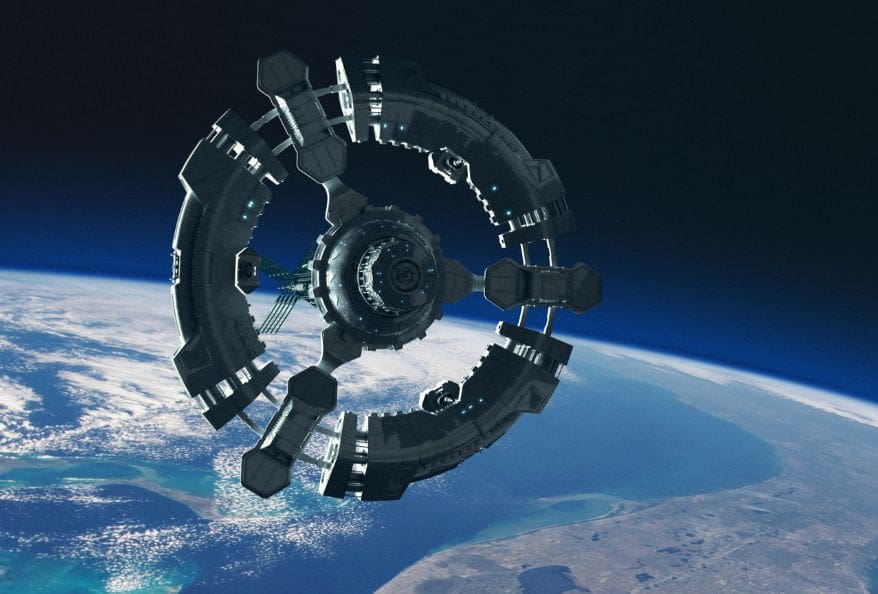
The aerospace engineering future scope is expanding faster than ever before. Traditionally, aerospace focused on aircraft design and propulsion systems. However, the industry now includes space tourism, sustainable aviation, artificial intelligence, and advanced defense systems. As technology evolves, so does the demand for skilled professionals.
In fact, global investment in aviation and space research continues to rise. Consequently, new job roles are emerging while traditional roles are becoming more technology-driven. The aerospace innovation trends is no longer limited to national space agencies. Instead, private companies, startups, and global collaborations are shaping the next era of flight.
Aerospace Engineering Future Scope in Commercial Space Travel
Commercial space travel is transforming the aerospace industry. Previously, only astronauts traveled beyond Earth. Today, private companies are making space more accessible.
Space Tourism and the Future Scope of Aerospace Engineering
Space tourism is becoming a commercial reality. Companies such asSpaceX and Blue Origin are launching civilians into suborbital flights. As a result, aerospace engineers must design reusable rockets, safe passenger capsules, and advanced life-support systems.
Moreover, passenger safety and comfort are now engineering priorities. Therefore, the aerospace innovation trends includes human-centered spacecraft design.
Mars Missions and Aerospace Engineering Future Scope
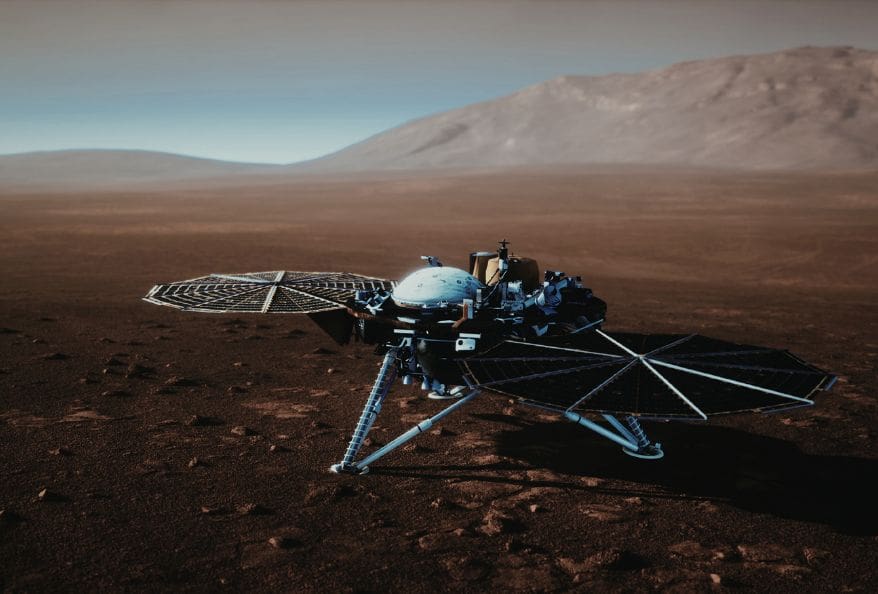

Looking ahead, Mars colonization is a serious objective. NASA and private organizations are researching sustainable habitats and propulsion systems. However, long-term survival in space presents challenges like radiation exposure and resource scarcity.
Thus, the future of aerospace engineering extends into planetary infrastructure and extraterrestrial living systems.
Space Debris Management
As satellite launches increase, orbital congestion becomes dangerous. Old satellites and debris threaten active missions. Consequently, engineers are developing robotic systems to capture and deorbit space junk.
Without intervention, collisions could multiply rapidly. Therefore, sustainable orbital management is a growing part of the future of aerospace engineering.
Aerospace Engineering Future Scope in Green Aviation
Environmental concerns are reshaping aviation. Because air travel contributes to carbon emissions, sustainable solutions are essential.
Electric Aircraft and Aerospace Industry Future Scope
Electric propulsion systems are advancing steadily. Although battery limitations remain, research in lightweight materials and energy density is progressing. Small electric aircraft already operate successfully.

Eventually, commercial airlines may adopt electric models. Hence, clean propulsion technology defines a major part of the aerospace engineering future scope.
Hydrogen Fuel Technology
Hydrogen-powered aircraft offer zero carbon emissions during flight. However, storage and infrastructure remain complex engineering challenges.
Even so, manufacturers are actively testing hydrogen-based designs. As innovation continues, hydrogen may significantly influence the aerospace industry future scope.
Sustainable Aviation Fuels
Sustainable Aviation Fuels (SAF) provide a near-term solution. Derived from biological materials, they reduce lifecycle emissions without major engine redesign.
Although production costs are high, investment is increasing. Therefore, SAF development strengthens the future of aerospace engineering.
Aerospace Engineering Future Scope in Drones and Urban Air Mobility
Urban transportation is evolving. Instead of expanding highways, cities are looking upward.
Urban Air Mobility and
Electric Vertical Takeoff and Landing (eVTOL) aircraft promise faster city travel. These flying taxis aim to reduce congestion and travel time.
However, integrating them requires regulatory approval and infrastructure development. Thus, urban planning and aerospace innovation must work together.
Drone Technology
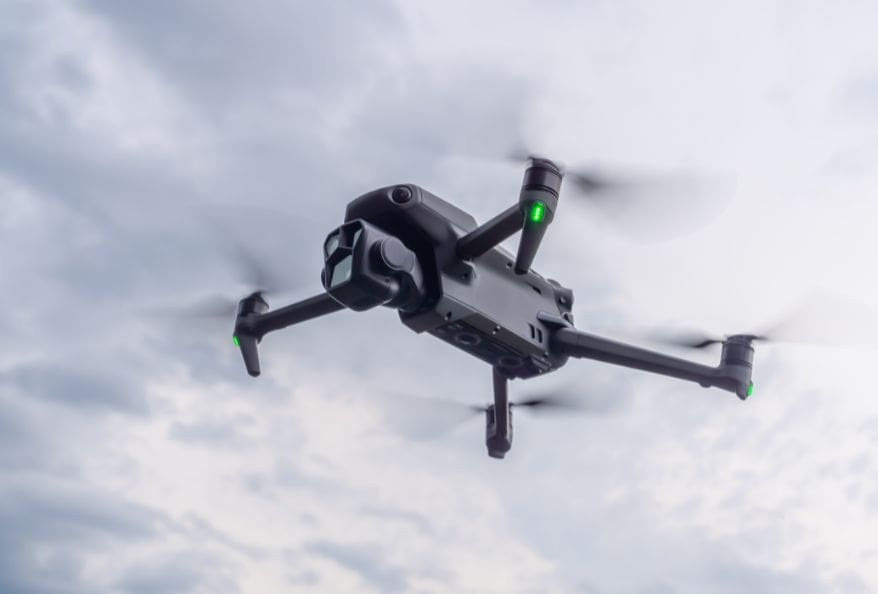
Delivery drones are transforming logistics. Companies are testing aerial delivery for packages, food, and medical supplies.
Nevertheless, concerns about safety, privacy, and noise persist. Engineers must design quieter systems and secure communication networks. Consequently, drone technology expands the aerospace engineering future scope significantly.
Advanced Defense Systems
Defense innovation continues to push aerospace boundaries.
Hypersonic Systems and Future of Aerospace Engineering
Hypersonic vehicles travel above Mach 5, creating extreme thermal stress. Engineers must develop advanced materials capable of withstanding intense heat and pressure.
Because of their speed, these systems redefine modern defense strategies.
Next-Generation Aircraft
Sixth-generation fighter jets integrate artificial intelligence, stealth capabilities, and drone coordination. Unlike older models, these aircraft rely heavily on software systems.
Therefore, programming and systems integration are central to the future scope of aerospace engineering.
Cybersecurity and Autonomous Surveillance
Satellites support communication, navigation, and defense systems. As a result, cybersecurity has become critical in aerospace operations.
Engineers must protect satellite networks from cyber threats. Additionally, autonomous surveillance systems are becoming more intelligent and efficient.
Aerospace Engineering Future Scope in AI and Robotics
Artificial intelligence is revolutionizing aerospace engineering.
AI Flight Systems
Modern aircraft rely on advanced autopilot systems. AI improves decision-making, enhances safety, and reduces human error.
However, system reliability and ethical considerations remain essential challenges.
Robotic Manufacturing and Aerospace Industry Future Scope
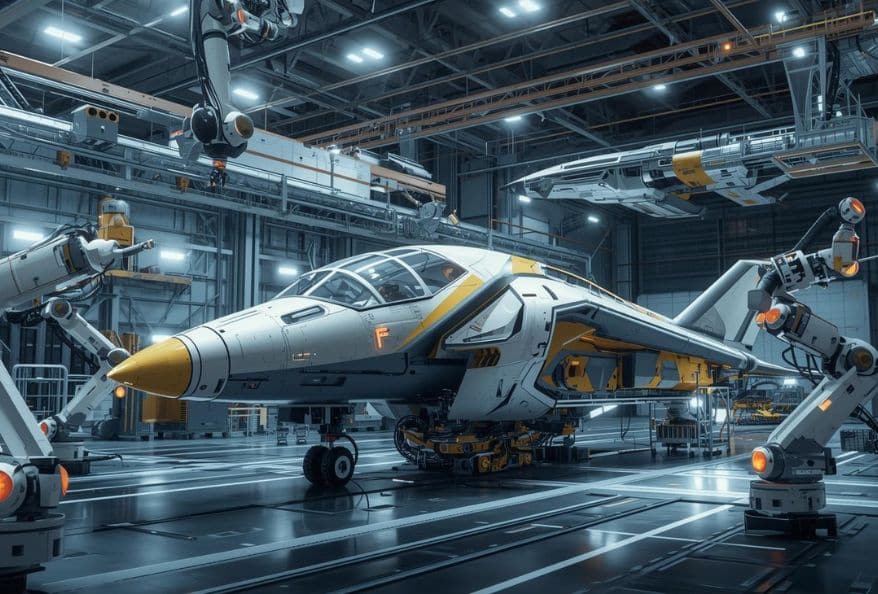
Robotics increases manufacturing precision and efficiency. Automated systems assemble components, drill structures, and conduct inspections.
As production becomes smarter, engineers must combine mechanical knowledge with programming expertise.
Predictive Maintenance
AI-powered sensors analyze aircraft performance data. Instead of reacting to failures, airlines now predict them.
Consequently, predictive maintenance reduces downtime and improves operational efficiency.
Career Opportunities in the Aerospace Engineering Future Scope
The future of aerospace engineering offers diverse career paths.
Software and Systems Roles
Aircraft systems function like flying computers. Therefore, software engineers and systems engineers are in high demand.
Programming languages such as C++ and Python are increasingly important.
Data Science in the Future Scope of Aerospace Engineering
Large volumes of flight and maintenance data require analysis. Data scientists optimize fuel efficiency, route planning, and system reliability.
Global Collaboration and Aerospace Engineering Career Scope
Aerospace projects are international. Engineers must communicate effectively across cultures and disciplines.
Thus, technical expertise combined with teamwork skills defines long-term success.
Conclusion: The Expanding Aerospace Engineering Future Scope
The aerospace engineering future scope is broader than ever before. From space tourism to sustainable aviation, from AI integration to defense innovation, the industry is entering a transformative era.
While challenges remain, opportunities continue to grow. Students and professionals who adapt to emerging technologies will shape the future of flight. Ultimately, aerospace engineering is not just about reaching new heights — it is about redefining humanity’s future in air and space.
References
- Legrand, B., Gaillard, A., & Bouquain, D. (2025). Comparative study of hybrid-electric distributed propulsion aircraft. Aerospace, 12(8). https://doi.org/10.3390/aerospace12080732
- The Future Aerospace Transportation System [Special issue]. Aerospace. MDPI. https://www.mdpi.com/journal/aerospace/special_issues/Future_Aerospace_Transportation_System
- Advances in Aerodynamics and Thermal Management for Next-Generation Aero-Engines [Special issue]. Aerospace. MDPI. https://www.mdpi.com/journal/aerospace/special_issues/MZNWPML35V