
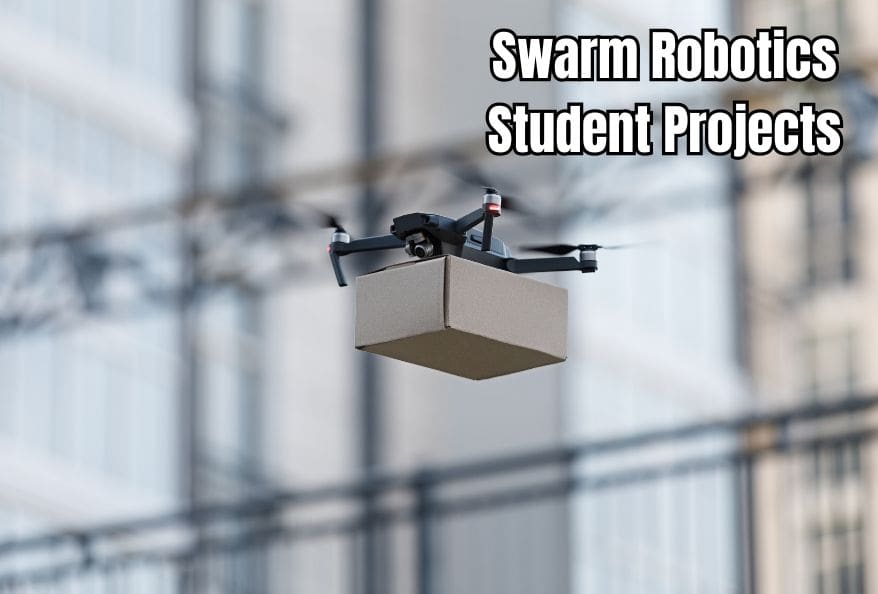
Swarm robotics is transforming how automation and collective intelligence are understood in modern engineering. Swarm robotics student projects, rather than relying on a single advanced robot, emphasize the coordination of many simple robots working together. Because of this shift, students around the world are increasingly motivated to design innovative systems inspired by natural behaviors observed in ants, bees, and bird flocks.
These projects highlight both creativity and practical problem-solving skills. At the same time, they demonstrate strong real-world relevance across multiple domains, including healthcare, agriculture, traffic management, warehouse logistics, and disaster response. Through swarm robotics student projects, learners move beyond theoretical concepts and begin exploring how distributed systems function in realistic environments.
What Is Swarm Robotics in Student Projects?
Swarm robotics refers to a group of robots that cooperate to accomplish a shared objective without centralized control. Instead of a single controller directing actions, each robot follows a set of simple rules while responding to local environmental inputs and nearby robots. Over time, repeated interactions lead to complex group behavior.
This idea originates from biological systems in which individual agents operate independently yet still achieve organized outcomes. Similarly, in swarm robotics student projects, learners apply these principles to build scalable and fault-tolerant robotic systems. As a result, the decentralized structure allows experimentation with coordination strategies and adaptive behaviors in practical settings.
How Do Swarm Robotics Student Projects Work?
Swarm robotics relies on decentralized decision-making. In practice, each robot independently senses its surroundings, processes information, and executes actions based on predefined algorithms. Meanwhile, communication among robots enables information sharing, coordination, and collective response.

In typical swarm robotics student projects, robots detect obstacles or targets using sensors such as ultrasonic modules, infrared sensors, or cameras. At the same time, wireless communication supports data exchange, while control algorithms guide movement and interaction. Although individual robots remain simple, their collective behavior produces intelligent outcomes.
As a result of this approach, students gain hands-on experience with autonomous systems, collective intelligence, and real-time coordination, all of which are essential concepts in robotics and artificial intelligence.
Why Are Swarm Robotics Student Projects Important Today?
Swarm robotics student projects are increasingly relevant due to rising demands for adaptable and resilient systems. In challenging environments, individual robots may fail because of damage or limited resources. Even so, swarm systems continue functioning when multiple units become inactive.
By distributing tasks across many agents, these projects reduce reliance on complex hardware. Furthermore, efficiency improves through parallel operation and wider area coverage. Applications such as disaster recovery, environmental monitoring, and smart infrastructure benefit significantly from this resilience and scalability.
From an educational standpoint, swarm robotics prepares students for careers in robotics, artificial intelligence, IoT, and autonomous systems. At the same time, it exposes them to real-world engineering constraints and collaborative design practices.
Key Benefits of Swarm Robotics Student Projects
Swarm robotics student projects offer several technical and learning advantages.
- Scalability allows additional robots to be integrated without redesigning the system architecture.
- Flexibility enables swarms to adapt to changing environments and task requirements.
- Robustness ensures system performance is maintained even when individual robots fail.

Together, these characteristics help students understand how modern distributed robotic systems are developed and deployed in both industry and research settings.
Top Swarm Robotics Student Projects for 2026
Students interested in robotics, artificial intelligence, and automation frequently choose swarm robotics student projects for academic coursework, competitions, and research initiatives. In this context, the following project ideas reflect current trends while also addressing future technological needs.
1. Search-and-Rescue Swarm Robotics Student Project
This project focuses on disaster response using cooperative robotic systems. Consequently, swarm robots are deployed in earthquake zones, collapsed buildings, or flood-affected regions to locate survivors and assess damage.
How It Works
Robots detect heat, sound, or motion signals using onboard sensors. Subsequently, information is shared across the swarm to identify priority zones. In certain situations, robots may form relay chains to transmit data from hazardous areas that are inaccessible to humans.
Applications
Earthquake rescue operations
Flood relief missions
Industrial accident recovery
Through this project, students explore humanitarian applications of robotics while working with sensing, communication, and coordination algorithms.
2. Agricultural Swarm Robotics Student Project
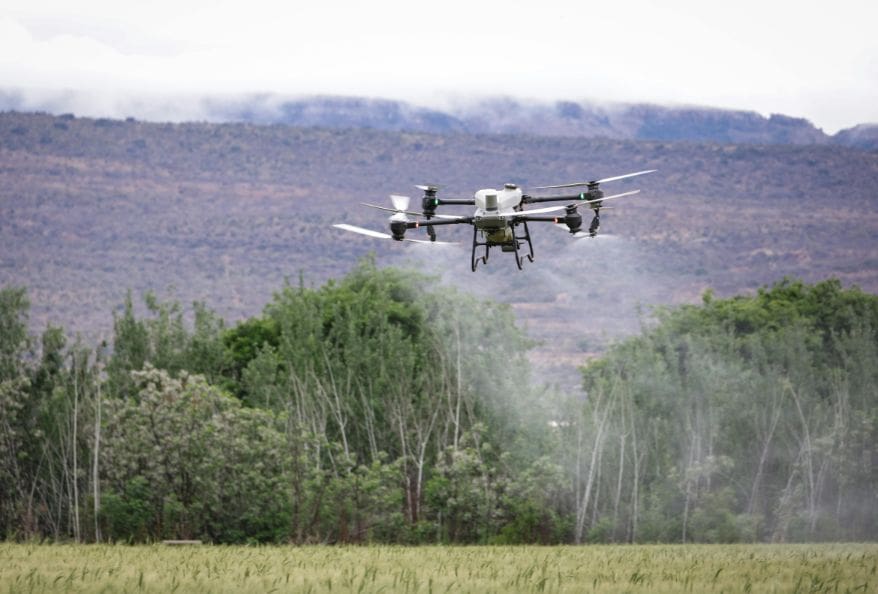
Agriculture represents a major application area for swarm robotics student projects. In this context, swarm robots autonomously plant seeds, monitor soil conditions, manage irrigation, and assist in harvesting operations.
Key Features
Soil analysis combined with adaptive planting
Drone-assisted pesticide and water spraying
Continuous field monitoring
Challenges
Environmental factors such as weather variability, uneven terrain, and energy management introduce design challenges. Nevertheless, addressing these constraints provides students with valuable engineering experience and exposure to sustainable technology solutions.
3. Traffic Management Swarm Robotics Student Project
Urban traffic congestion remains a persistent challenge. To address this issue, students can design swarm-based traffic monitoring systems using mobile robots or aerial drones.
How It Works
Robots monitor traffic density at intersections and road segments. Simultaneously, swarm communication enables coordination with intelligent traffic signals. Dynamic rerouting strategies then help reduce congestion and improve vehicle flow.
As a result, this project introduces students to smart city concepts, autonomous transportation systems, and real-time decision-making.
4. Warehouse Automation Swarm Robotics Student Project
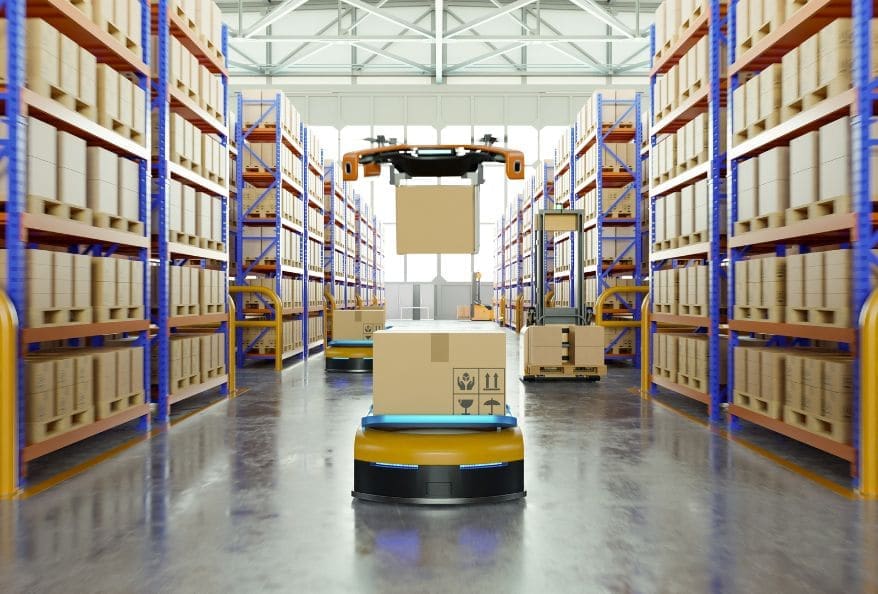
Swarm robotics is increasingly adopted in warehouse and logistics environments. Consequently, this project allows students to explore automated material handling and inventory management systems.
Key Highlights
Autonomous shelf organization
Collision avoidance through swarm coordination
Scalable task allocation
Since similar systems are already deployed in large-scale fulfillment centers, this project offers strong industry relevance.
5. Environmental Monitoring Swarm Robotics Student Project
Environmental monitoring plays a crucial role in addressing climate-related challenges. In response, swarm robotics enables efficient data collection across large geographical areas.
How It Works
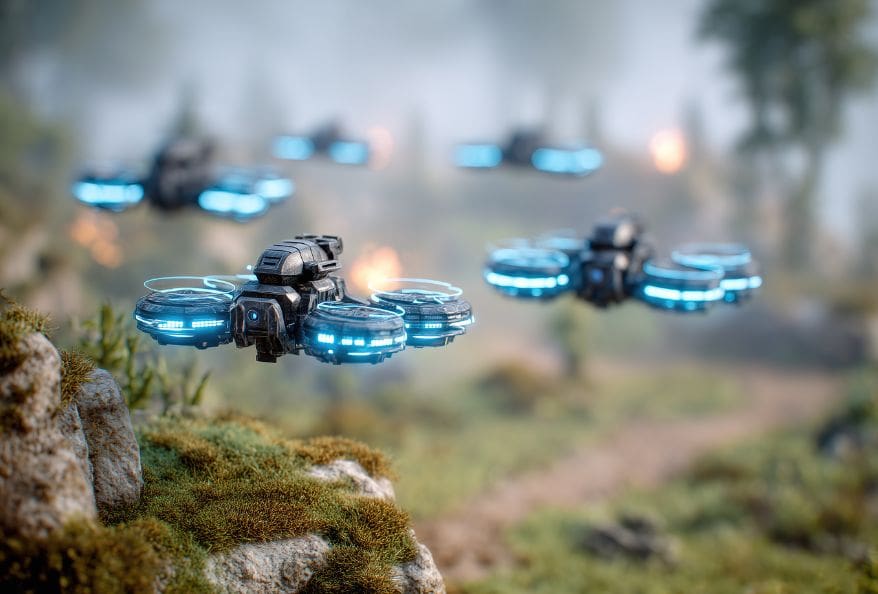
Robots disperse across forests, water bodies, or urban regions to collect environmental data. Afterward, information is transmitted to a central analysis platform where patterns and anomalies are identified.
Applications
Deforestation monitoring
Wildlife tracking
Air and water quality assessment
Compared to traditional methods, swarm-based approaches reduce time, labor, and operational cost.
Technologies Used in Swarm Robotics Student Projects
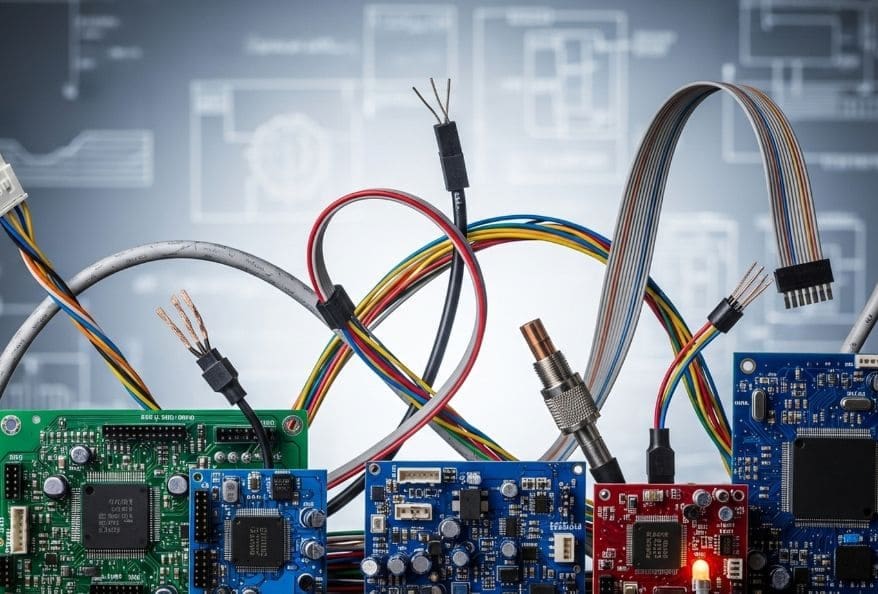
Swarm robotics integrates multiple hardware and software components that work together.
Sensors and Actuators
Sensors enable robots to perceive environmental conditions, while actuators support movement and physical interaction. Common examples include ultrasonic sensors, infrared sensors, GPS modules, and motor controllers.
Communication Protocols
Robots communicate using wireless technologies such as Wi-Fi, Bluetooth, Zigbee, or LoRa. Through this process, students gain practical exposure to networking concepts, data synchronization, and latency management.
Artificial Intelligence and Machine Learning
AI techniques support autonomous decision-making and adaptive behavior. In many projects, machine learning algorithms are used for pattern recognition, task allocation, and swarm optimization.
Tips for Building Swarm Robotics Student Projects
Students should begin with simple behaviors such as coordinated movement or obstacle avoidance. At the same time, reliable communication between robots should be prioritized. Before deploying physical hardware, testing algorithms in simulation environments is highly recommended. Collaborative teamwork further improves system design, debugging efficiency, and overall project quality.
Ultimately, iteration and experimentation are essential for refining swarm behaviors and improving system performance.
Conclusion
Swarm robotics is influencing the future of automation, artificial intelligence, and intelligent systems. Through swarm robotics student projects, learners address complex real-world challenges using collaborative robotic intelligence. These projects strengthen technical skills, systems thinking, and teamwork while encouraging innovation.
Students at all levels can benefit from exploring swarm robotics. In doing so, by experimenting with decentralized control and collective behavior, learners actively contribute to the development of resilient and scalable robotic systems that will shape the future of technology.
References:
- García-Aunon, P., Barrientos, A., & del Cerro, J. (2019). Behavior-based control for multi-robot systems using swarm intelligence. Robotics, 8(2), 38. https://doi.org/10.3390/robotics8020038
- Zedadra, O., Jouandeau, N., Seridi, H., Fortino, G., & Spezzano, G. (2018). Swarm intelligence-based algorithms within IoT-based systems: A review. Sensors, 18(10), 3291. https://doi.org/10.3390/s18103291
- Zhang, Y., Li, X., & Wang, J. (2023). Cooperative control strategies for swarm robotics applications. Sensors, 23(6), 3125. https://doi.org/10.3390/s23063125