
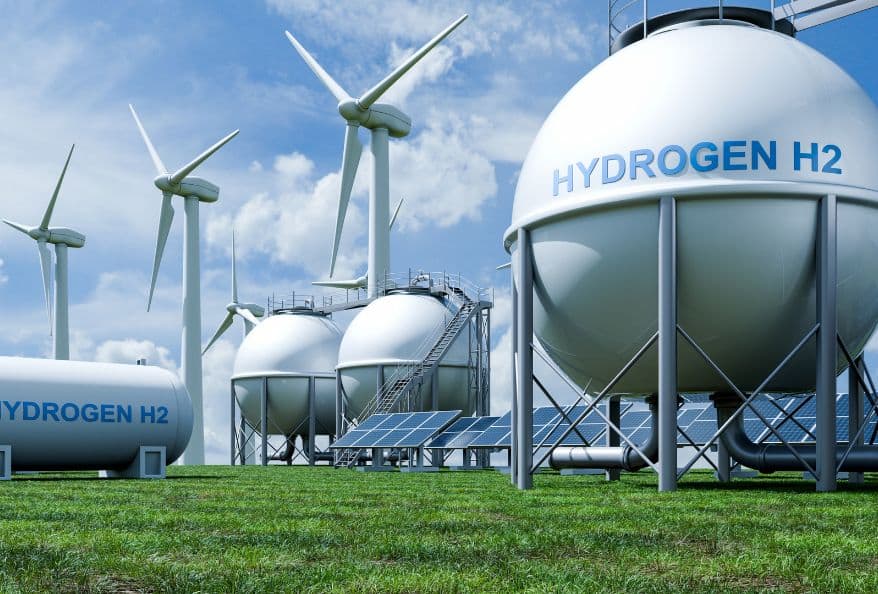
Modern energy solutions are shifting toward sustainable power systems. These systems aim to reduce environmental impacts while improving energy efficiency and reliability.
Traditional power generation has long depended on fossil fuels such as coal, oil, and natural gas. However, renewable energy technologies are transforming the global energy sector. Sources such as solar power, wind energy, hydropower, and geothermal energy are becoming increasingly important.
Currently, renewable energy provides more than 29% of global electricity production. As countries invest in cleaner technologies, sustainable power systems will play a major role in reducing greenhouse gas emissions and addressing climate change.
Renewable Energy Sources in Sustainable Power Systems

Renewable energy sources form the foundation of sustainable power systems. These sources generate electricity with minimal environmental impact and without producing harmful emissions.
Solar power converts sunlight directly into electricity using photovoltaic panels. Wind energy captures the movement of air through turbines to generate electricity.
Hydropower produces electricity from flowing or falling water. Meanwhile, geothermal energy uses heat from the Earth’s interior to produce consistent and reliable energy.
Together, these renewable resources reduce pollution, decrease dependence on fossil fuels, and support long-term environmental sustainability.
Benefits of Renewable Sources in Sustainable Power Systems
Renewable energy technologies provide several advantages for sustainable power systems.
First, they significantly reduce air pollution and greenhouse gas emissions compared to conventional power plants. Cleaner energy sources help improve air quality and protect public health.
In addition, renewable energy projects create employment opportunities in manufacturing, construction, installation, and maintenance. The renewable sector continues to generate new jobs as technology expands.
However, the high installation costs of some renewable technologies can slow adoption in certain regions. Continued technological innovation and government support are essential to reduce costs and expand access to clean energy.
Solar Energy in Sustainable Power Systems
Solar energy is one of the fastest-growing components of sustainable power systems. Many cities and communities are adopting solar technologies to lower energy costs and reduce carbon emissions.
Solar panels installed on rooftops allow homes and businesses to generate electricity locally. This decentralized energy production helps reduce reliance on traditional power grids.
In many urban areas, solar installations can reduce electricity bills by up to 50%, making solar power an attractive option for both households and businesses.
Urban Development and Sustainable Power Systems
Cities that integrate solar power improve their overall energy efficiency. Smart grid systems help manage electricity distribution and support the growing use of solar energy.
Local governments often promote solar adoption through tax incentives, subsidies, and community solar programs. These initiatives encourage clean energy use while strengthening local energy independence.
Wind Energy and Sustainable Power Systems
Wind energy is another critical component of sustainable power systems. Wind turbines convert the kinetic energy of moving air into electricity.
Experts estimate that wind energy could supply around 20% of global electricity by 2030. Large wind farms are typically located in regions with strong and consistent wind patterns.
These installations provide large amounts of clean electricity while helping reduce carbon emissions from traditional power generation.
Wind Technology in Sustainable Power Systems
Careful site selection is essential for successful wind energy projects. Engineers evaluate wind speed, terrain, and proximity to power grids before developing wind farms.
Utility-scale wind projects help meet increasing electricity demand while supporting climate goals. In addition, wind energy development creates employment opportunities in manufacturing, installation, and maintenance.
Community involvement in planning also helps ensure successful and sustainable wind energy development.
Energy Storage in Sustainable Power Systems
Energy storage technologies are essential for modern sustainable power systems. Renewable energy sources like solar and wind can produce variable electricity depending on weather conditions.
Energy storage systems help balance electricity supply and demand by storing excess energy for later use.
Types of Energy Storage for Sustainable Power Systems
Several technologies support energy storage in sustainable power systems:
Battery Storage Systems
Lithium-ion batteries store electricity for homes, businesses, and power grids.
Pumped Hydro Storage
Water is pumped to higher elevations and later released to generate electricity when energy demand increases.
Flywheel Energy Storage
Flywheels store energy through rotational motion and can release power rapidly.
Thermal Storage Systems
These systems store heat energy for later electricity generation.
Research suggests that integrating energy storage technologies can reduce greenhouse gas emissions by up to 40% while improving power grid stability.
Smart Grids in Sustainable Power Systems
Smart grids play a crucial role in managing sustainable power systems. These advanced electrical networks use digital technologies to monitor and control energy distribution more efficiently.
Smart grids allow utilities to detect system faults quickly and improve overall energy efficiency. They also support the integration of renewable energy and the expansion of electric vehicle charging infrastructure.
Smart Technology Supporting Sustainable Power Systems
Demand response programs allow consumers to adjust electricity use during peak demand periods. This helps balance the power grid and reduce energy costs.
Smart metering technologies provide real-time data on electricity consumption. As a result, energy systems become more flexible, efficient, and resilient.
Future Trends in Sustainable Power Systems
The future of energy will rely heavily on sustainable power systems. According to global energy projections, renewable sources such as solar and wind could provide more than 60% of global electricity in the coming decades.
Advances in energy storage technologies and smart grid systems will help support this transition to cleaner energy.
Community solar projects and microgrids are also expected to expand access to renewable energy, particularly in rural or remote regions.
Policymakers must support these developments through incentives, research funding, and infrastructure investments. These efforts will ensure affordable, reliable, and sustainable energy for future generations.
Conclusion on Sustainable Power Systems
Sustainable power systems are transforming how electricity is produced and consumed around the world.
By combining renewable energy sources, advanced energy storage technologies, and smart grid systems, these power networks reduce environmental impacts while improving efficiency and reliability.
As technology advances and investments continue to grow, sustainable power systems will play a vital role in building a cleaner, more resilient global energy future.
Reference
- Lund, H., Østergaard, P. A., Connolly, D., & Mathiesen, B. V. (2017). Smart energy and smart energy systems. Energy, 137, 556–565. https://doi.org/10.3390/en10030372