
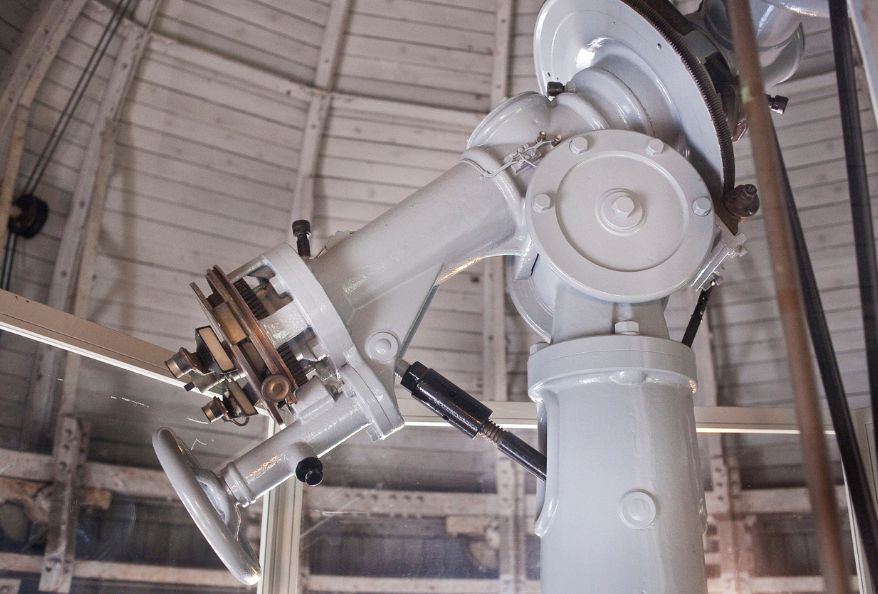
Engaging with the universe through simulation offers a unique opportunity to explore its vastness. Participants in Space Telescope Projects can immerse themselves in the intricate analysis of data collected from iconic instruments such as Hubble and James Webb.
This initiative emphasizes the importance of astronomical image processing techniques, enabling a refined understanding of celestial objects.
Practical experience allows enthusiasts to create captivating visualizations that bring the wonders of space to life.
Collaboration with peers enhances the learning process, fostering a deeper appreciation for the mysteries of stellar phenomena.
- Simulate space observations using advanced software tools.
- Analyze images of stars, planets, and diverse celestial bodies.
- Develop essential skills in image processing and astronomical data interpretation.
- Utilize programming languages like Python or R for thorough data analysis.
- Create engaging visualizations to effectively showcase findings to an audience.
- Collaborate with peers for a comprehensive exploration of celestial phenomena.
- Present final results through interactive formats, including virtual workshops.
- Document the process with reports and reflections on key learning outcomes.
Exploring the Universe With Space Telescope Projects
Recent developments in astronomical tools have significantly reshaped our comprehension of the cosmos. The Hubble Space Telescope and the James Webb Space Telescope offer striking views of distant celestial bodies.
Such astronomical instruments eliminate atmospheric distortion, providing researchers with enhanced clarity for their observations.
Consequently, this improved data collection supports vital research in star formation and cosmic evolution.
For instance, groundbreaking findings from the James Webb Space Telescope have unveiled intricate details about far-off galaxies. As technology continues to evolve, scientists gain new perspectives on the universe, leading to noteworthy advancements in planetary science.
These telescopes play a pivotal role in advancing the field of astronomy and enhancing our collective knowledge of the universe.
How Space Telescope Projects Help Astronomers Understand Galaxies
The exploration of distant celestial bodies begins with advanced optical technology. Space Telescope Projects, supported by instruments like Hubble and James Webb, enable researchers to capture stunning images of galaxies.
Astronomer teams utilize these instruments to examine galactic structures and formations intricately.
Observatories equipped with innovative tools facilitate extensive data analysis beyond what was possible before.
The insights gained from these investigations reveal the evolutionary pathways of various galaxies.
- NASA continues to pioneer new missions that expand our knowledge and capabilities.
- Understanding the dynamics of galaxies benefits from the high-resolution imaging provided by space telescopes.
- Case studies, such as those focusing on the Andromeda Galaxy, demonstrate how detailed observations can uncover specific features and histories.
- With ongoing advancements, the ability to interpret celestial images becomes increasingly refined, enhancing scientific discourse.
In the realm of astronomy education, aspiring scientists improve their skills through image processing and data visualization techniques.
Simulations of space observations using software tools complement the real data obtained from telescopes, fostering a deeper grasp of celestial phenomena. Through collaborative Space Telescope Projects, participants can share findings and enrich their perspectives on stellar evolution and planetary science.
The Role of Simulations in Space Telescope Projects
Recent advancements in computational techniques have transformed the landscape of astronomical research, enhancing the understanding of celestial phenomena. The Space Telescope Science Institute provides invaluable data that, when integrated with simulated models, allows researchers to explore the mysteries of the universe.
Astrophysicists leverage complex simulations to scrutinize the behavior of dark matter and its gravitational effects.
These virtual environments foster an opportunity to test hypotheses regarding the Milky Way and other galaxies, paving the way for groundbreaking discoveries.
Through the synergy of image processing and simulations, scientists strive for a comprehensive grasp of cosmic structures. As these methodologies continue to advance, they will play a pivotal role in validating observational data while driving significant progress in the field.
Capturing Stunning Images in Space Telescope Projects

Recent innovations within telescope technology have profoundly influenced our capacity to create vivid representations of the universe’s wonders. Utilizing instruments such as the Hubble Space Telescope and the James Webb Space Telescope, astronomers unveil captivating images that demonstrate the intricate beauty of distant celestial bodies.
Each pixel painted across these visuals carries significant data regarding the formation and behavior of stars and planets, essential for deepening our understanding of orbital dynamics.
The unique interplay of light and dark energy renders these images not only artistically stunning but also scientifically valuable.
Enthusiasts and researchers alike can leverage modern digital tools to transform raw data into breathtaking representations, enhancing both the appreciation for the art of astrophotography and the scientific insights it provides.
- Modern telescopes offer unparalleled views of the universe.
- Astrophotography celebrates the artistic dimension of astronomical imagery.
- Interpreting images necessitates context for scientific analysis.
To effectively analyze these visuals, consider utilizing color maps displaying dark energy and cosmic structures. Employing techniques like analyzing light spectra reveals critical information about the temperature and composition of distant stars and galaxies. Gaining familiarity with these elements will amplify your appreciation for the wonders encapsulated within each photograph.
Data Analysis Techniques for Space Telescope Projects
Effective analysis of astronomical data plays a significant role in expanding our knowledge of the cosmos. Space telescopes, such as Hubble and James Webb, capture stunning images that require precise processing to extract valuable insights.
Researchers employ advanced algorithms to transform raw data into comprehensible visualizations, unveiling hidden patterns within celestial bodies.
This meticulous process involves simulating observations to better understand the atmospheric conditions surrounding distant planets, enhancing image interpretation and analysis.
- Simulate space observations using software tools and actual telescope data.
- Analyze images of stars, planets, and other celestial bodies.
- Develop skills in image processing and astronomical data interpretation.
- Utilize programming languages like Python or R for data analysis.
- Create visualizations that showcase findings to an audience.
- Collaborate with peers to explore celestial phenomena comprehensively.
- Present final results in an interactive format, potentially including virtual workshops.
- Document the process with reports and reflections on learning outcomes.
Space missions benefit from collaborative Space Telescope Projects, fostering teamwork and promoting knowledge sharing among participants engaged in astronomical image processing. This synergy enhances their skills and allows for a richer comprehension of stellar evolution and planetary science. The combined efforts of individuals contribute significantly to the advancement of our understanding of the universe, paving the way for future discoveries within the field of astronomy.
The Importance of Hubble in Space Telescope Projects
Throughout the vast universe, remarkable discoveries have transformed our perspective of celestial phenomena. The groundbreaking capabilities of various astronomical instruments have propelled the field of astronomy into new realms.
Among these, one noteworthy instrument has reshaped our understanding of space: the renowned space telescope that captures exquisite images of distant galaxies and stellar formations.
By revealing intricate structures and dynamics, this telescope enhances research efforts aimed at deciphering the complexities of the cosmos.
- A notable achievement includes the calculation of the universe’s expansion rate, providing invaluable insights.
- Data gathered has played a significant role in unveiling the mysteries of dark energy, advancing our comprehension of cosmic forces.
- Astronomical breakthroughs from these explorations continue to inspire upcoming missions, fostering deeper connections to our universe.
As we delve further into the realms of simulation and analysis, the importance of such observations becomes increasingly evident, paving the way for future advancements in our quest for knowledge.
Simulating Dark Matter and Dark Energy in Space Telescope Projects
Advanced computational techniques fundamentally enhance our grasp of cosmic phenomena. These simulations provide a means to explore the underlying physics of celestial dynamics, offering insights into structures shaped by dark matter and the profound influences of dark energy.
For instance, the IllustrisTNG project utilizes innovative algorithms to model galaxy formation, delivering clarity on how dark matter shapes the universe.
- Simulations reveal complex interactions in galactic structures.
- Advanced models assess the impact of dark energy on cosmic expansion.
- Data from the Hubble and James Webb telescopes enhances observational accuracy.
- Astronomers can visualize phenomena that traditional methods cannot capture.
- Future investigations aim to deepen our understanding of cosmic behavior.
Through such endeavors, researchers are equipped to make substantial findings in the fields of astronomy and planetary science. Engaging with simulations fosters a collaborative environment, where peers contribute to the comprehensive analysis of astronomical imagery and discover novel insights that are pivotal for ongoing and future research.
Future Innovations in Space Telescope Projects
Recent breakthroughs in astronomical instrumentation are set to revolutionize our perception of the universe. Innovative capabilities are being developed to enhance the observational prowess of future devices, enabling researchers to analyze celestial objects with remarkable precision.
The Hubble and James Webb Space Telescopes have paved the way for advancements by showcasing sophisticated imaging methods.
Next-generation instruments will allow for deeper investigations into the atmospheric characteristics of distant worlds, uncovering cosmic phenomena previously deemed inaccessible.
These revolutionary tools may be pivotal in identifying Earth-like planets, broadening our search for extraterrestrial life beyond our own solar system.
Understanding Exoplanet Detection Methods in Space Telescope Projects
The pursuit of distant celestial worlds is a fascinating endeavor in modern astronomy. Advanced telescopes, notably the Hubble Space Telescope and James Webb Space Telescope, deliver exceptional capability for capturing images of stars and other astronomical bodies.
This high-resolution imagery enables astronomers to view light signatures and identify the potential existence of planets.
Through simulations, researchers create detailed models of these planetary systems, enhancing the understanding of their size and behavior.
Among various techniques, the transit method stands out, tracking brightness dips when exoplanets transit in front of their host stars. Such innovative methodologies have significantly advanced the search for new planetary discoveries and expanded our knowledge of the universe.
The Impact of Space Telescope Projects on Astronomy
Advancements in astronomical technology have revolutionized our comprehension of the cosmos. The Hubble Space Telescope and James Webb Space Telescope have produced remarkable images, unveiling intricate details about celestial systems.
Their groundbreaking findings on stellar evolution have altered our perception of cosmic history.
Enhanced sensors aboard these telescopes improve image clarity, enabling astronomers to detect distant galaxies with precision.
Effective data visualization techniques allow for clear communication of these discoveries to both the scientific community and the public. Collaborative projects, such as the Vera Rubin Observatory initiative, promise to expand our collective knowledge.
Looking ahead, innovations in detector technology will drive continued exploration and advancement in astronomy education.
Key Takeaways From Space Telescope Projects
- The Hubble Space Telescope has captured millions of observations that transformed astronomy.
- The James Webb Space Telescope observes the universe in infrared wavelengths, revealing hidden structures.
- Enhanced sensors on modern telescopes can detect light from galaxies billions of light-years away.
- The Vera Rubin Observatory is expected to contribute significantly to our understanding of dark matter and dark energy.
Conclusion
Space Telescope Projects offer an exciting path for exploring galaxies, stars, planets, and cosmic forces through real telescope data and simulation tools. By combining image processing, data analysis, collaboration, and visualization, these projects build practical astronomy skills while deepening our understanding of the universe.
Reference
- National Aeronautics and Space Administration. (n.d.). Hubble Space Telescope. NASA.https://science.nasa.gov/mission/hubble/
Kottauppari Venkat Raghava
I am a technology-driven IT graduate with a strong passion for science and innovation. I am fascinated by how innovations like artificial intelligence, robotics, and emerging technologies are shaping our world. I specialize in analyzing complex scientific and technological research and presenting it in a clear, accessible way. My goal is to make science and technology understandable and engaging for students, tech enthusiasts, and professionals alike. By breaking down advanced concepts into simple, insightful narratives, I strive to inspire curiosity, learning, and innovation, helping readers stay informed about the breakthroughs that are shaping the future.