
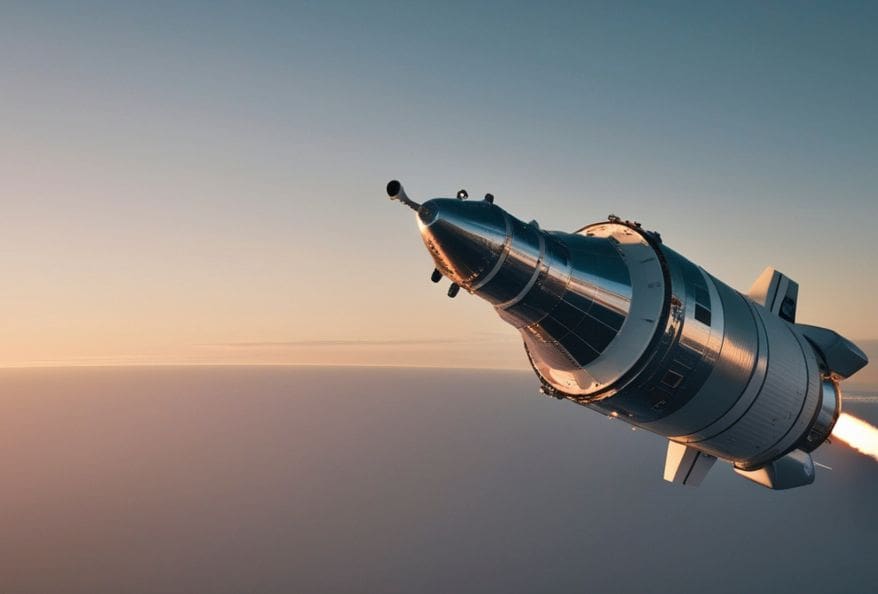
A fascinating journey into the world of flight captivates school students, offering an opportunity to explore design and engineering concepts. Engaging in hands-on projects fosters creativity and builds essential skills applicable in aerospace careers. These aerospace engineering projects for students encourage deeper understanding of aerodynamics and flight mechanics.
High school students can begin with simple experiments, such as crafting and testing paper airplanes, which effectively demonstrate fundamental aerodynamic principles and lift forces along with drag effects.
Another intriguing project involves designing a water rocket to measure its height and flight time accurately, helping students understand propulsion systems and trajectory analysis.
Aerospace Engineering Projects for Students: Hands-On Innovation and Learning
Creating model drones allows students to program basic flight paths, encouraging practical application of theoretical knowledge in control systems and robotics. Exploring these unique ideas inspires students to delve deeper into the enchanting realm of aerospace and space science with engineering innovation.
- Build and test paper airplanes to explore aerodynamic principles and airflow dynamics with lift generation.
- Design a water rocket and measure its height and flight time using pressure systems and fluid dynamics.
- Create a model drone and program a basic flight path using automation and navigation systems.
- Construct a wind tunnel to analyze airflow over different shapes with air resistance and flow patterns.
- Develop a simple glider using balsa wood and test its flight capabilities using weight distribution and stability control.
- Simulate spacecraft landing using a controlled drop test with various materials focusing on impact forces and landing systems.
- Research and present on the history of aerospace technology innovations involving aviation history and space missions.
- Create a mini hovercraft using a CD and a balloon using air cushion technology and pressure balance.
- Design an electric propulsion system for small drones using energy systems and battery efficiency.
- Investigate materials used in aerospace engineering through a comparative analysis of weights and strengths using material science and structural integrity.

These projects not only entertain but also ignite a passion for engineering challenges. Aerospace creativity shines through collaboration among students, enhancing problem-solving skills within team settings using teamwork skills and innovation thinking. Pursuing such aerospace engineering projects for students grants insight into innovative technologies shaping the future of aerospace with advanced engineering and future technologies.
Innovative Rocket Design Concepts in Aerospace Engineering Projects for Students
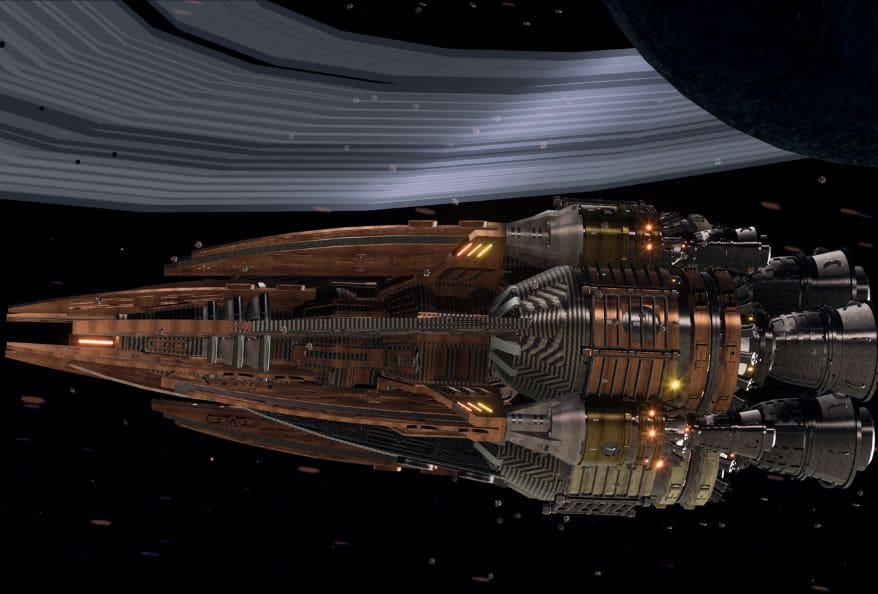
Designing advanced vehicles for space travel requires creativity and knowledge in engineering. Key advancements in propulsion systems have revolutionized performance, enhancing mission capabilities for a variety of flight scenarios in rocket science and space exploration.
Innovations like reusable rockets significantly lower expenses, allowing multiple missions within budget constraints while improving cost efficiency and mission sustainability.
Employing hybrid propulsion systems merges solid and liquid fuels to achieve unparalleled efficiency using fuel optimization and energy conversion.
The integration of 3D printing technologies has transformed manufacturing processes, facilitating the rapid production of intricate components necessary for spacecraft using additive manufacturing and design flexibility. Optimizing payload configurations is essential for meeting mission goals, maximizing efficiency during spaceflight with payload optimization and mission planning.

Rigorous testing and simulations are fundamental for ensuring the safety and reliability of all vehicles intended for exploration using simulation tools and testing protocols. The careful selection of materials further enhances durability, particularly against the extreme conditions encountered during ascent and re-entry using thermal resistance and material strength.
Exploring CubeSat Missions in Aerospace Engineering Projects for Students
The revolution in small satellite technology opens opportunities for engineers and researchers to engage in aerospace endeavors. CubeSats, as innovative devices, streamline access to data collection across diverse fields, enhancing research capabilities significantly using satellite technology and space data analysis.
Affordable launch vehicles designed specifically for these microsatellites democratize participation for universities and institutions, fostering a collaborative spirit in space missions using launch systems and cost-effective engineering.
Interdisciplinary partnerships emerge within CubeSat initiatives, showcasing how robotics and automation can elevate project outcomes in domains like Earth observation using robotics systems and automation technology.
Hands-on experiences through student projects in aerospace education inspire the next generation of talent by providing practical applications in engineering using STEM learning and practical skills. These aerospace engineering projects for students encourage innovation and hands-on exploration in space technologies.
Spacecraft Simulation Techniques in Aerospace Engineering Projects for Students
Effective simulation methods play a significant role in advancing aerospace engineering. Accurate modeling of spacecraft is vital for mission success, guiding effective project planning and reducing risks involved using simulation software and computational modeling.
Data produced from these simulations significantly aids teams in identifying potential challenges even before a launch occurs using data analysis and predictive modeling.
Engineers leverage advanced software tools to assess physics and conduct intricate calculations with a high degree of reliability using physics engines and algorithm design.
Careful consideration of mass and complexity when selecting simulation software can yield superior results using system optimization and performance evaluation. Regular validation of simulations against experimental experiments enhances accuracy, fostering greater confidence in mission outcomes using validation techniques and experimental testing.
Adopting best practices in simulation lays the foundation for effective exploration of outer space through virtual environments and space modeling in these aerospace engineering projects for students.
Engaging Students in UAV Projects Through Aerospace Engineering Projects for Students
Hands-on learning experiences in aerospace engineering ignite a passion for creativity among students. Projects involving unmanned aerial vehicles empower school students to design and build aircraft while enhancing their technical skills using UAV technology and drone engineering.
Engaging in these initiatives deepens understanding of propulsion and aerodynamics through practical application using flight dynamics and aircraft design.
Participants immerse themselves in teamwork, learning vital communication skills as they collaborate effectively on project goals using team collaboration and communication skills.
Developing a model drone presents an exciting opportunity to explore complex flight dynamics and performance using navigation systems and control algorithms. Introducing competition-based challenges significantly boosts motivation, encouraging students to innovate and think outside the box using innovation skills and problem-solving techniques.
These captivating experiences transform learning into a thrilling journey through the realms of flight and engineering within aerospace engineering projects for students, combining practical learning and engineering creativity.
Hands-On Aerodynamics Experiments in Aerospace Engineering Projects for Students
Aerospace education invites young minds to delve into the principles of flight through engaging hands-on experimentation. Students can participate in projects involving the design and testing of paper airplanes, which provide insights into vital aerodynamic factors such as lift and drag using aerodynamic forces and airflow behavior.
These activities not only enhance theoretical knowledge but also ignite a passion for aviation using aviation science and engineering basics.
For instance, crafting a wind tunnel allows students to analyze airflow across various shapes, bridging the gap between scientific theory and practical application using wind tunnel testing and fluid dynamics.
Constructing a balsa wood glider enables an exploration of aircraft design and performance optimization using lightweight materials and flight stability. Designing and launching water rockets permits the measurement of altitude and flight duration using rocket propulsion and trajectory physics.
Engaging with model drones facilitates understanding program basics for flight paths, an essential skill in modern avionics using avionics systems and flight programming. These immersive aerospace engineering projects for students develop both conceptual clarity and real-world engineering exposure.
Conclusion
These aerospace engineering projects for students provide a powerful foundation for understanding flight, space exploration, and modern engineering systems. By combining creativity, experimentation, and collaboration, students gain essential skills in aerodynamics, propulsion, and data analysis. Ultimately, these projects inspire the next generation of innovators to explore the limitless possibilities of aerospace and contribute to future technological advancements.
References
- Porro, M., Jefferson-Loveday, R., & Benini, E. (2021). Axial Flow Compressor Stability Enhancement: Circumferential T-Shape Grooves Performance Investigation. Aerospace, 8(1), 12. https://doi.org/10.3390/aerospace8010012
- Kopiev, V. F., Belyaev, I. V., Dunaevsky, A. I., Poukhov, A. A., & Trofimovsky, I. L. (2022). On the Fundamental Possibility of a Supersonic Civil Aircraft to Comply with ICAO Noise Requirements Using Existing Technologies. Aerospace, 9(4), 187. https://doi.org/10.3390/aerospace9040187