

Harnessing innovative technology, educators can engage students with captivating 3D printing projects for students that ignite their imagination. Utilizing this transformative tool, learners are encouraged to develop hands-on skills while seamlessly blending creativity with technical expertise.
These activities not only connect to various disciplines such as science, technology, engineering, art, and mathematics (STEAM) but also create an environment of collaboration and problem-solving.
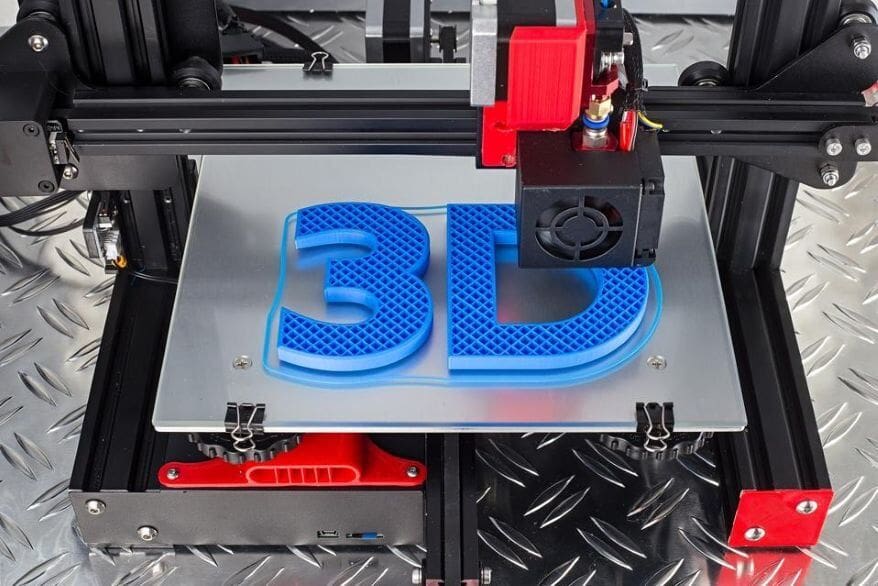
As students delve into exciting 3D designs, they cultivate essential skills that extend beyond traditional learning.
Project Ideas
1. Customized Keychains
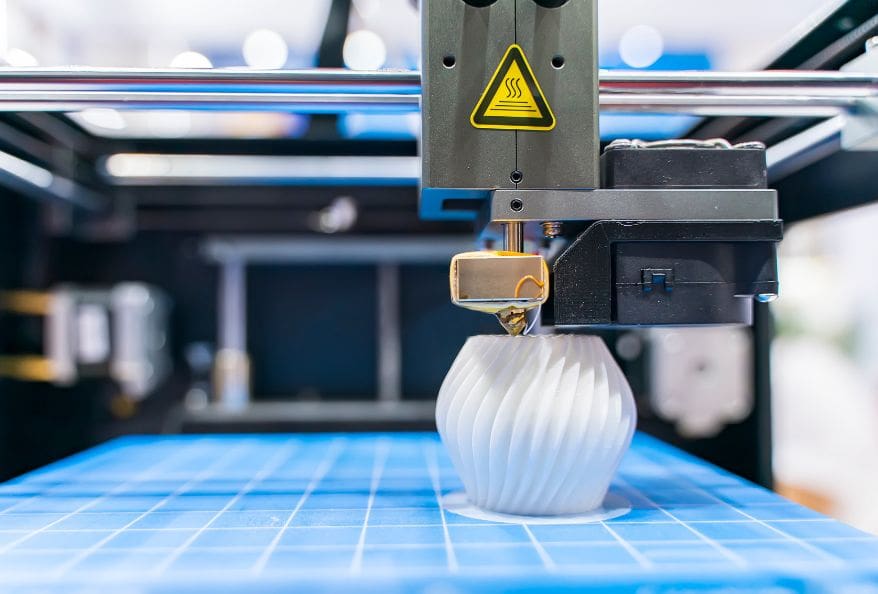
Students can design a simple keychain using CAD software and personalize it with initials or unique shapes. After printing, they can sand and paint the final product for extra creativity.
Key points:
- Design a simple keychain using CAD software
- 3D print with initials or custom designs
- Sand and paint for customization
2. Miniature Architectural Models
This project encourages students to research a building or structure, sketch it in 2D, and convert it into a 3D model. Printing and assembling the model helps improve design accuracy and realism.
Key points:
- Research a building or structure
- Create sketches and convert them into a 3D model
- Print and assemble with realistic features
3. Functional Mechanical Devices
Students can build simple mechanical devices such as gear systems. This activity helps them understand engineering principles while testing how printed parts work together.
Key points:
- Design a basic mechanical device
- Use 3D software to model components
- Print and assemble to test functionality
4. Artistic Sculptures
Learners can choose a theme and create a digital sculpture using sculpting software. After printing, they can add textures and colors to make it visually appealing.
Key points:
- Choose a sculpture theme
- Use sculpting software to create the model
- Print and finish with textures and colors
5. Educational Science Models
Science concepts become easier to understand when students create visual models, such as the solar system. These printed models can be assembled for interactive classroom use.
Key points:
- Select a scientific concept
- Design accurate models in software
- Print and assemble for visual learning
6. Board Game Pieces
Students can redesign pieces for their favorite board games. This adds a personal touch while improving creativity and print design skills.
Key points:
- Design custom board game pieces
- Adjust the models for printability
- Print and use them in games
7. Wearable Technology
This project combines 3D printing with electronics. Students can create items such as phone holders or smartwatch-style accessories and then add electronic elements for function.
Key points:
- Design wearable items in CAD
- Print prototypes
- Add electronics for functionality
8. Personalized Phone Stands
Students can sketch and design unique phone stands with customized features. Testing the printed stand with different phone models improves practical design thinking.
Key points:
- Sketch a unique phone stand
- Model it with custom features
- Print and test stability
9. 3D Printed Jewelry
Jewelry projects help students blend art with technology. They can design earrings, rings, or bracelets and finish them with beads, polish, or paint.
Key points:
- Design jewelry in CAD software
- Print using resin or filament
- Polish and decorate for final touches
10. Educational Puzzle Games
Students can create 3D puzzles based on subjects like geography. These projects make learning interactive and enjoyable.
Key points:
- Create a puzzle based on a learning topic
- Model puzzle pieces in software
- Print, assemble, and use for learning
Through these engaging 3D printing projects for students, learners can enhance creativity while building collaboration and critical thinking skills. Using printing technology makes learning more exciting and full of innovation.
Engaging 3D Printing Ideas For Beginners
Exploring additive manufacturing sparks creativity and innovation in education. By starting with simple designs, students build confidence and gradually learn how ideas can become real objects.
As beginners work on practical projects, they strengthen their understanding of STEAM concepts. Tangible creations make science and mathematics easier to understand, while personalized designs keep students motivated.
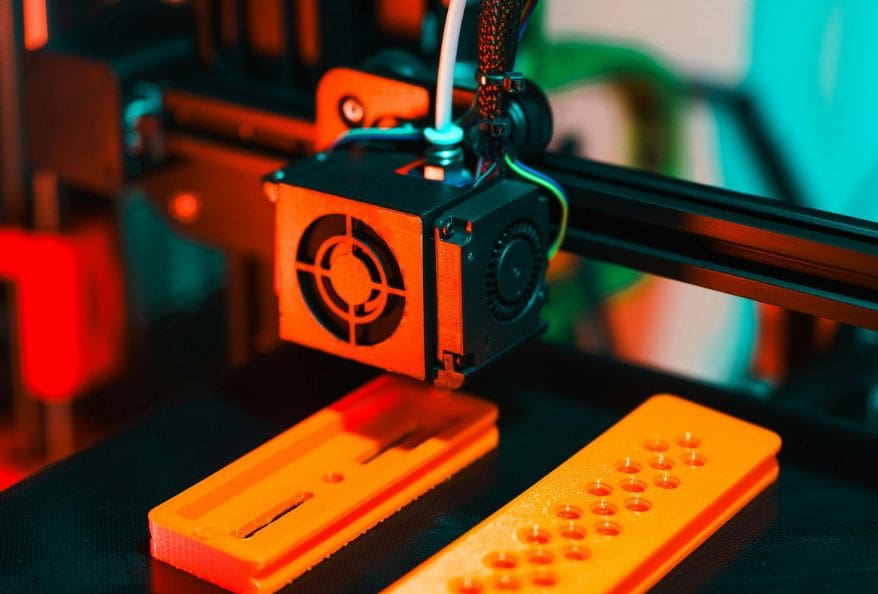
Beginner-friendly project ideas:
- Customized keychains
- Miniature architectural models
- Functional mechanical devices
- Artistic sculptures
- Educational science models
- Board game pieces
- Wearable technology
- Personalized phone stands
- 3D printed jewelry
- Educational puzzle games
Hands On Learning With 3D Models
Engaging with innovative projects opens new paths for creativity and problem-solving. By working with tangible models, students connect complex ideas with real-world applications, especially in science and mathematics.
Crafting objects like keychains gives learners a practical way to apply creativity. As they experiment and refine their work, they improve understanding and discover how abstract concepts can become useful physical models.
Benefits of hands-on learning:
- Enhances student engagement and motivation
- Helps visualize complex concepts
- Builds critical thinking and innovation skills
- Connects theory with real-world applications
Creative Projects To Enhance Understanding
Creative 3D printing projects help students turn abstract ideas into tangible realities. These activities improve comprehension, encourage teamwork, and strengthen communication skills.
Whether students are designing keychains, architectural models, or educational science models, they learn by doing. Feedback and design improvements also help develop a mindset of continuous learning.
Project examples:
- Customized keychains
- Miniature architectural models
- Functional mechanical devices
- Artistic sculptures
- Educational science models
- Board game pieces
- Wearable technology
- Personalized phone stands
- 3D printed jewelry
- Educational puzzle games
Designing Custom Keychains For Fun
Designing keychains is a simple and enjoyable way to introduce students to CAD software and 3D printing. This activity supports personal expression while helping learners develop digital design skills.
Students can start with basic shapes and gradually experiment with initials, patterns, or playful objects. The process encourages collaboration and strengthens the connection between ideas and finished products.
Why this project works well:
- Easy for beginners
- Encourages creativity
- Improves CAD skills
- Builds confidence in design and printing
Exploring Geometry Through 3D Printing
Geometry becomes more exciting when students can turn shapes into real objects. Using 3D printing, learners can better understand mathematical principles through visualization and design.
As students build models such as structures, gears, sculptures, or puzzles, they improve both creativity and problem-solving. This makes geometry feel practical and enjoyable.
Examples linked to geometry:
- Customized keychains
- Architectural models
- Mechanical devices
- Sculptures
- Science models
- Board game pieces
- Phone stands
- Puzzle games
Weekend Projects For School Students
Weekend projects provide students with exciting opportunities to apply classroom knowledge in practical ways. These hands-on activities support imagination, teamwork, and STEM learning outside regular lessons.
By working on printed objects and models, students gain a better understanding of academic concepts while enjoying the creative process.
Popular weekend project options:
- Customized keychains
- Miniature architectural models
- Functional mechanical devices
- Artistic sculptures
- Educational science models
- Board game pieces
- Wearable technology
- Personalized phone stands
- 3D printed jewelry
- Educational puzzle games
Learning outcomes:
- Better retention through hands-on practice
- Improved teamwork and collaboration
- Greater creativity and innovation
- Increased interest in STEM fields
Tinkercad Tips For New Users
Tinkercad introduces students to digital design in a simple and accessible way. By learning the basics, students gain the confidence needed to move toward more complex projects.
The platform’s templates, tutorials, and design tools make it easier for beginners to experiment and improve. Community challenges also create opportunities for collaboration and shared learning.
Helpful tips for beginners:
- Focus on basic CAD skills first
- Explore templates for inspiration
- Use Tinkercad tutorials and resources
- Join community projects and challenges
- Experiment with different design tools
- Learn from online groups and forums
Problem Solving With 3D Prototyping
3D prototyping helps students solve practical challenges by transforming ideas into working models. Through iterative design, learners can refine their creations based on testing and feedback.
This process develops technical ability, strengthens critical thinking, and encourages innovation. With CAD software and printing tools, students learn how to turn creative concepts into useful objects.
Main advantages of 3D prototyping:
- Turns abstract ideas into real solutions
- Encourages testing and improvement
- Builds critical thinking skills
- Strengthens creativity and technical knowledge
Key education insights:
- 3D printing is increasingly important in education
- Hands-on learning can improve retention
- Collaboration boosts creative outcomes
- Iterative design teaches the value of refinement
Fun Prints That Teach STEM Concepts
3D printing makes STEM learning more engaging by turning lessons into interactive creations. Students can explore design, engineering, and scientific ideas through projects they can see and touch.
This hands-on approach improves understanding while encouraging continuous experimentation and creative growth.
Fun STEM print ideas:
- Personalized keychains
- Architectural models
- Mechanical devices
- Sculptures
- Science models
- Board game pieces
- Wearable items
- Phone stands
- Jewelry
- Educational puzzles
Bringing Abstract Ideas to Life With 3D Printing Projects for Students
3D printing helps students transform imagination into physical models. By designing objects such as action figures, science models, or puzzles, learners strengthen creativity, technical expertise, and problem-solving skills.
As more institutions adopt these tools, students become better prepared for future challenges in an innovation-driven world.
Examples of abstract ideas turned into projects:
- Keychains
- Architectural models
- Mechanical devices
- Sculptures
- Science models
- Board game pieces
- Wearable designs
- Phone stands
- Jewelry
- Educational puzzles
Conclusion:3D Printing Projects for Students
3D printing projects for students are transforming education by making learning interactive, practical, and engaging. These projects bridge creativity with technical skills while fostering collaboration and problem-solving abilities essential for the future.
Reference
- Andreucci, C. A., Fonseca, E. M. M., & Jorge, R. N. (2022). 3D Printing as an Efficient Way to Prototype and Develop Dental Implants. BioMedInformatics, 2(4), 671-679. https://doi.org/10.3390/biomedinformatics2040044