
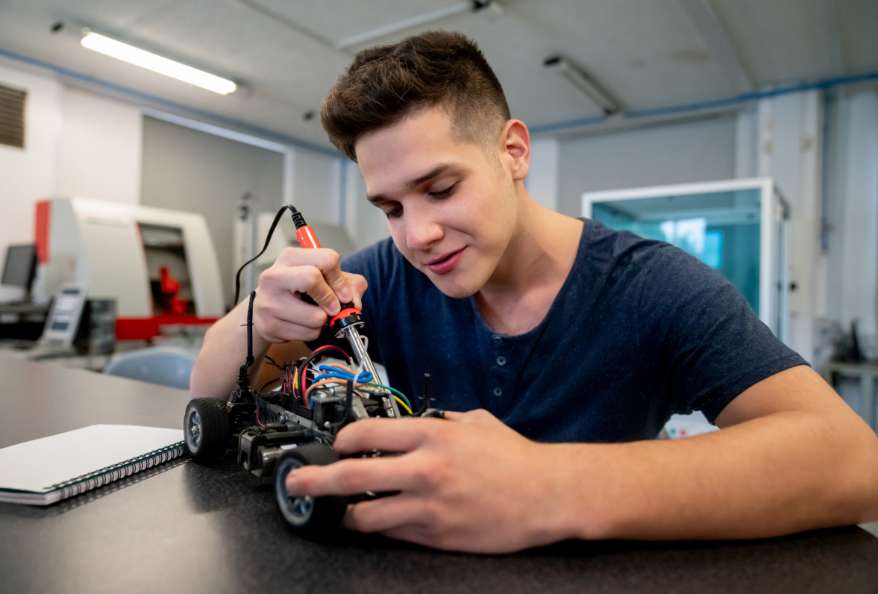
For those interested in the fascinating field of technology, starting with simple robotics projects for beginners can be an exciting way to dive into this discipline. Engaging with these beginner-friendly projects helps to cultivate problem-solving skills while sparking creativity.
One enjoyable initiative involves crafting a basic robotic arm, which introduces fundamental programming concepts and mechanical principles through the use of servos.
Another intriguing project option is the development of a line-following robot that leverages infrared sensors to automate movement.
Designing an underwater robot provides a unique opportunity to explore concepts of buoyancy and aquatic exploration. Each of these projects caters to a hands-on learning approach, promoting a deeper understanding of electronics and engineering fundamentals.
- Robotic Arm: Build a simple robotic arm using servos, and learn basic programming.
- Line-Following Robot: Develop a line-following robot using infrared sensors for automation.
- Underwater Robot: Create a remotely operated vehicle (ROV) for exploring aquatic environments.
- Smart Plant Watering System: Design a system using sensors and IoT technology for environmental science integration.
- Programmable Drone: Construct a drone that performs tasks and demonstrates flight dynamics.
To successfully complete these projects, robotics beginners should establish clear goals and conduct thorough research on necessary materials. Documenting each phase of the process enhances learning while encouraging reflection. By collaborating with peers, newcomers can overcome the obstacles these innovative projects present, refining their skills for future endeavors in robotics.

Essential Tools For Robotics Beginners
Embarking on a journey into robotics involves selecting tools designed to foster creativity and innovation. Microcontrollers, such as Arduino and Raspberry Pi, serve as foundational elements for a wide array of projects.
Quality components not only enhance the learning process but also contribute to achieving successful results.
Starter kits often include various parts, simplifying the exploration of technology for newcomers.
Incorporating sensors and actuators is essential for creating automated systems that bring ideas to life. Engaging with these materials enables meaningful hands-on experiences and cultivates problem-solving skills.
Robotics Projects For Beginners: Fun And Easy Ideas
Engaging with robotics opens a world of innovative possibilities. Whether you’re interested in creating a smart plant watering system or a line-following robot, these projects stimulate problem-solving skills and foster creativity.

For instance, designing an underwater robot introduces aquatic exploration combined with engineering principles.
Building a robotic arm using servos not only teaches basic mechanics but also programming essentials.
Utilizing sensors, such as infrared, effectively showcases automation concepts through practical application. These project ideas encourage customization, allowing enthusiasts to innovate based on their personal interests and skills.
Engaging in this hands-on learning journey paves the way for a deeper understanding of robotics and its applications in various fields.
- Start with a clear project goal or challenge.
- Research and plan all necessary materials and tools.
- Utilize online tutorials and resources for guidance.
- Emphasize teamwork and collaboration if working in groups.
- Prepare a presentation showcasing the project’s purpose, design, and outcomes.
- Include visuals such as diagrams and video demonstrations.
- Practice explaining the project in simple terms for diverse audiences.
- Highlight the significance of the project in real-world applications.
- Document the process for future reference and improvement.
- Engage the virtual audience with interactive Q&A sessions.
Robotics Projects for beginners
- Hands-on robotics projects can significantly enhance critical thinking and problem-solving skills.
- Engaging in robotics fosters creativity and innovation, leading to unique project outcomes.
- Collaboration in robotics projects improves teamwork and communication skills among participants.
- Real-world applications of robotics can lead to advancements in fields such as healthcare, manufacturing, and environmental science.
Building Your First Robot
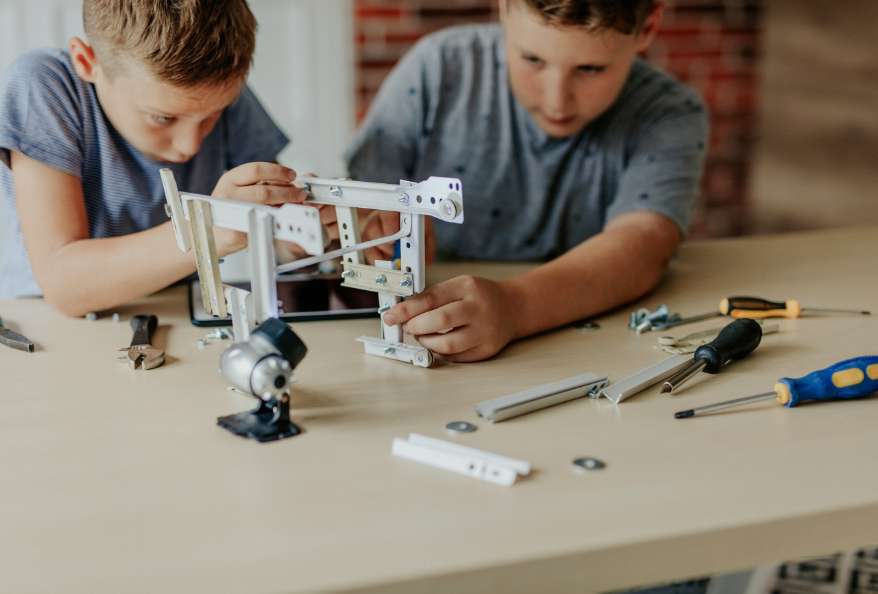
Starting a journey in the field of robotics can inspire creativity and innovation. Engaging in your first robotics project necessitates a structured approach for success.
A well-organized plan keeps the experience focused and productive.
Keeping thorough documentation of your building process allows for reflection and improvement, acting as a valuable reference guide for future endeavors.
Beginning with straightforward projects, like assembling a robotic arm, can help cultivate foundational skills. These initial robotics experiences not only enhance problem-solving abilities but also encourage creative thinking.
Every bot you design leads to more intricate robotics designs.
- Set a clear project goal or challenge to guide your efforts.
- Research necessary materials and tools to ensure preparedness.
- Utilize online tutorials to expand your understanding of coding.
- Foster teamwork and collaboration if working with others.
- Prepare a presentation highlighting your project’s design and outcomes.
- Incorporate visuals, such as diagrams and videos, to enhance clarity.
- Practice explaining your concept in simple terms for diverse audiences.
- Showcase the real-world significance of your project.
- Document each step for future reference and learning.
- Encourage interactive engagement with your audience through Q&A sessions.
With each robotic venture, creativity flourishes, and the technical skills necessary for future innovations are developed. Projects such as a line-following robot using infrared sensors not only highlight automation but also make the learning journey enjoyable. Exploring sensor technology can further expand your understanding and capabilities in the realm of robotics.
Exploring Sensor Technology
Innovations in technology continue to transform how we interact with our surroundings, especially through sensor integration. Robotics projects for beginners often leverage these advancements to create engaging and interactive experiences.
Sensors collect crucial data from the environment, enabling robots to respond intelligently and autonomously.
For example, ultrasonic devices are frequently employed in obstacle detection, reinforcing essential automation principles within beginner projects.
The integration of such devices enhances functionality, allowing robots to make informed decisions during various tasks. As the field advances, the development of new sensors opens up exciting possibilities for DIY robotics endeavors and practical applications.
- Build a simple robotic arm using servos and microcontrollers to illustrate programming and mechanics.
- Develop a line-following robot utilizing infrared sensors to showcase automation and control systems.
- Create an underwater robot, or ROV, to explore aquatic environments and understand buoyancy.
- Design a smart plant watering system using sensors and IoT technology to merge robotics with environmental science.
- Construct a programmable drone capable of executing predefined tasks and presenting concepts of algorithms and flight dynamics.
Successful projects often start with a clear goal, followed by thorough research and planning of required materials and tools. Utilizing online tutorials and resources can further enhance the learning experience. Emphasizing collaboration is vital when working in teams, enriching the project with diverse perspectives. Documenting the entire process provides valuable insights for future improvements, while preparing a presentation demonstrates the project’s significance in real-world contexts. Engaging the audience with interactive segments fosters a deeper understanding of the concepts at play.
Also Read: Swarm Robotics Student Projects – Top Ideas for 2026
Robotics and Sensor Integration
- Robotics projects can enhance critical thinking and problem-solving skills through hands-on learning experiences.
- According to research, students engaged in robotics education show improved STEM (Science, Technology, Engineering, Mathematics) performance.
- Sensor technology has advanced significantly, with new developments enabling more precise data collection and interaction with the environment.
- Collaborative robotics projects often lead to better teamwork skills and increased creativity among participants.
Integrating Motors And Actuators
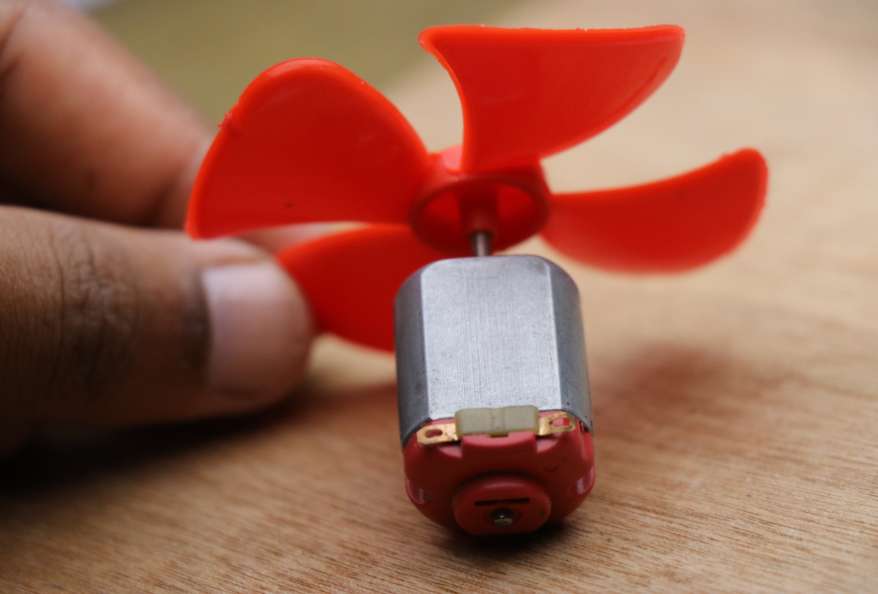
Robotics combines various technologies to create innovative solutions for real-world challenges. Motors serve as a pivotal component in robotic designs, facilitating movement and actions.
Integrating different motor types is crucial for enhancing project outcomes.
DC motors deliver continuous rotation, making them suitable for simple robot applications such as driving wheels.
Servos provide precise positioning, ideal for tasks demanding real-time adjustments. By incorporating sensors, such as ultrasonic models, robots gain the ability to detect surroundings, allowing for dynamic responses to obstacles.
Engaging in DIY projects helps students apply these concepts effectively, fostering a deeper understanding of STEM principles.
- Build a simple robotic arm using servos and microcontrollers to explore programming and mechanics.
- Develop a line-following robot utilizing infrared sensors to illustrate automation and control systems.
- Create an underwater robot or ROV (Remotely Operated Vehicle) to examine aquatic environments and buoyancy.
- Design a smart plant watering system incorporating sensors and IoT technology for environmental science applications.
- Construct a programmable drone capable of executing predefined tasks, highlighting algorithms and flight dynamics.
Engaging students through hands-on robotics projects fosters teamwork and creativity, vital for STEM education. Start with a clear project goal, research all necessary materials, and utilize online resources. Encourage collaboration and prepare a presentation to showcase the project’s purpose and design. Incorporate visuals, and practice explaining the concept simply for broader audiences. Document all processes for future reference and improvement, ensuring that learning outcomes are meaningful and impactful.
You can get more ideas for robotics projects for beginners here.
Step By Step Robot Building Guide
Engaging in robotics projects opens up new avenues for discovering science and technology. Aspiring builders should begin by clearly setting project goals and objectives, aiding in focused efforts.
Collect essential materials such as motors, Arduino boards, and sensors pivotal for creating a robot that uses innovative techniques.
Adopting a systematic assembly sequence helps tackle complex builds more effectively and reduces confusion during the construction phase.
Incorporate diagrams for better understanding of connections, ensuring that wiring and connections are executed with precision; careful assembly prevents technical issues. Troubleshooting common problems, such as unresponsive sensors, is integral to achieving smooth operational success.
Systematically test each component to validate functionality before finalizing the design, as adjustments based on preliminary testing can optimize performance significantly. Documenting the entire process not only supports future improvements but also showcases the learning journey.
Robotics Projects
- Setting clear project goals enhances focus and efficiency in building.
- Using essential components like Arduino boards and sensors is crucial for innovative robot design.
- Systematic assembly and thorough testing can significantly reduce technical issues.
- Documenting the process aids in future improvements and highlights the learning experience.
Creating An Autonomous Robot
Creating innovative machines transforms interactions within various environments, enhancing technological integration. Engaging projects focusing on building a robot can showcase numerous automation applications.
For example, a robot that can detect obstacles employs infrared sensors for seamless navigation.
Such projects illustrate the collaboration of programming and mechanical design in robotics.
Incorporating a servo motor enables accurate control of movements, leading to effective task execution. As students immerse themselves in these hands-on activities, they cultivate valuable STEM skills essential for future endeavors.
Algorithms play a significant role in defining decision-making processes within robotic systems, shaping their operational capabilities. Engaging in robotics projects offers students profound insights into real-world technology and automation, ultimately enhancing their problem-solving abilities.
The Basics Of Arduino And Raspberry Pi
Exploring innovative technology opens up a world of possibilities, especially for aspiring engineers. Microcontrollers provide an opportunity to dive into automation and create interactive projects that captivate enthusiasts.
For instance, constructing one robot, such as a simple robotic arm, can effectively illustrate fundamental programming and mechanics.
Users will find step-by-step instructions to guide them through assembling their projects.
Abundant resources like community forums and online tutorials support continuous learning. Opting for platforms like Arduino or Raspberry Pi fosters creativity and teamwork, making them superb choices for collaborative projects that enhance problem-solving skills in classroom settings.
Also Read: IoT Applications Student Projects
- Begin with a clear project goal or challenge to spark interest.
- Research and plan all necessary materials and tools for the project.
- Utilize online tutorials and resources to facilitate learning.
- Encourage teamwork and collaboration when tackling projects in groups.
- Prepare a presentation to showcase the project’s purpose, design, and outcomes.
- Include visuals such as diagrams and video demonstrations for clarity.
- Practice explaining the project in simple terms to diverse audiences.
- Highlight the significance of the project in real-world applications.
- Document the process for future reference and development.
- Engage participants with interactive Q&A sessions to promote discussion.
| Project Type | Benefits |
|---|---|
| Robotic Arm | Illustrates fundamental programming and mechanics |
| Arduino Platform | Fosters creativity and teamwork |
| Online Tutorials | Facilitates continuous learning and project guidance |
| Community Forums | Provides support and resources for aspiring engineers |
Robotics Projects For Beginners: Engaging Classroom Activities
Classroom engagement thrives when students immerse themselves in robotics projects. These challenges stimulate the learning of electronic components while fostering collaborative skills among team members.
For instance, creating a line-following robot requires cooperation as groups devise control algorithms to navigate various obstacles effectively.
Such hands-on experiences enable learners to apply technical expertise in authentic scenarios.
To enhance excitement and motivation, consider hosting a robotics competition where teams can showcase their designs, perhaps racing their robots or engaging in obstacle courses. These activities not only inspire students but also emphasize the importance of teamwork and diverse perspectives in reaching shared goals.