

Humanoid robotics for students is transforming education by building future-ready skills and opening doors to exciting careers. Across age groups, students learn to create, innovate, and collaborate with robots—while also understanding how to use them responsibly in real-world settings.
Humanoid Robotics for Students: Transforming Modern Education
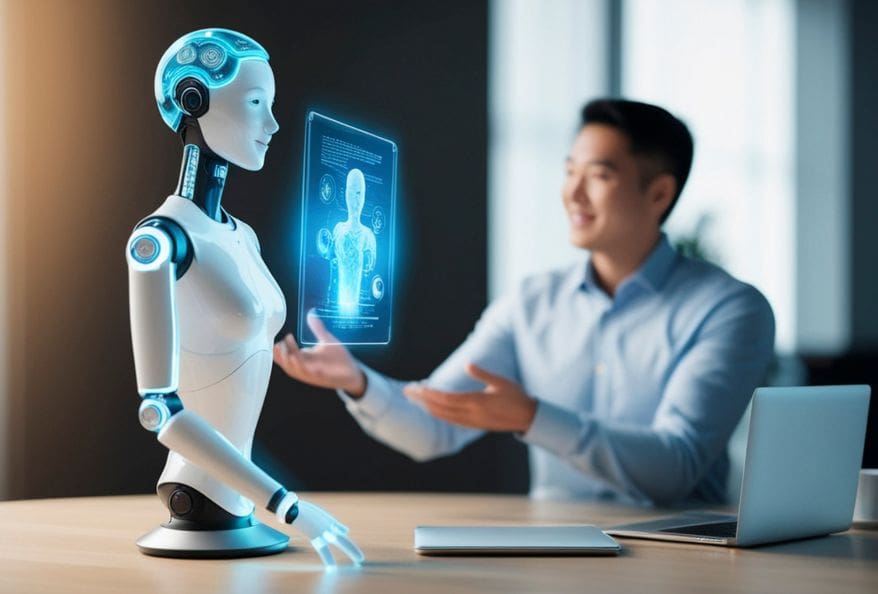
At the present time, humanoid robotics for students is reshaping education worldwide. Schools are increasingly introducing robot teachers and interactive humanoid systems into classrooms. These robots are designed to resemble humans in appearance and behavior, which makes learning more engaging and relatable for students. As a result, learners gain exposure to coding, mathematics, science, and even social skills through hands-on interaction.
Above all, students who engage with humanoid robotics education develop critical skills needed for the future workforce. In fact, the robotics job market is projected to grow by 10.1% through 2034—nearly three times faster than many other professions. Therefore, students who begin learning early gain a significant advantage.
With this in mind, the sections below explore how humanoid robotics for students is transforming classrooms, shaping careers, and raising important ethical questions.
Humanoid Robotics for Students in Modern Classrooms
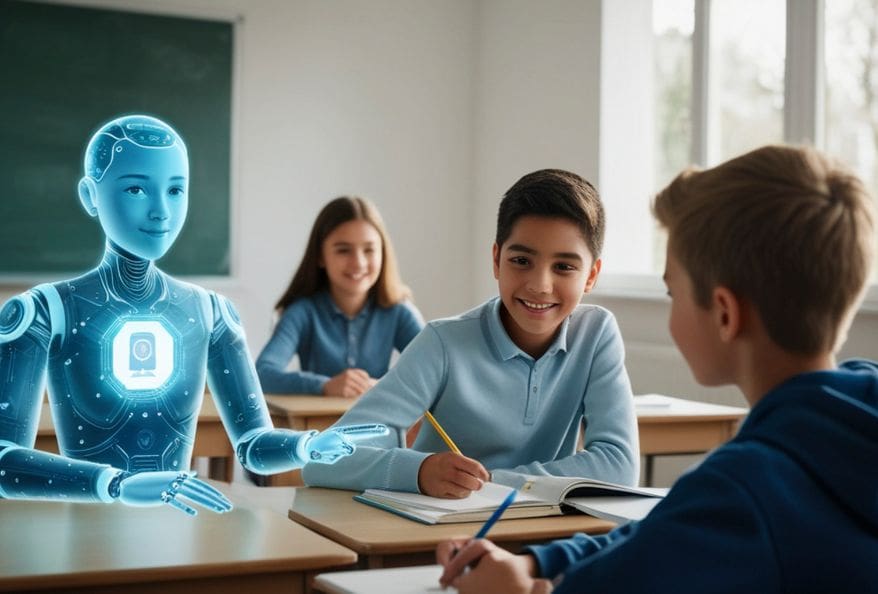
Early Education: Introducing Humanoid Robotics for Students
In the early years, children are introduced to robots through simple construction activities. Using clay, nuts, bolts, and paint, students create basic robot models that spark curiosity about technology. Through these creative tasks, young learners begin to understand how robots are designed and used.
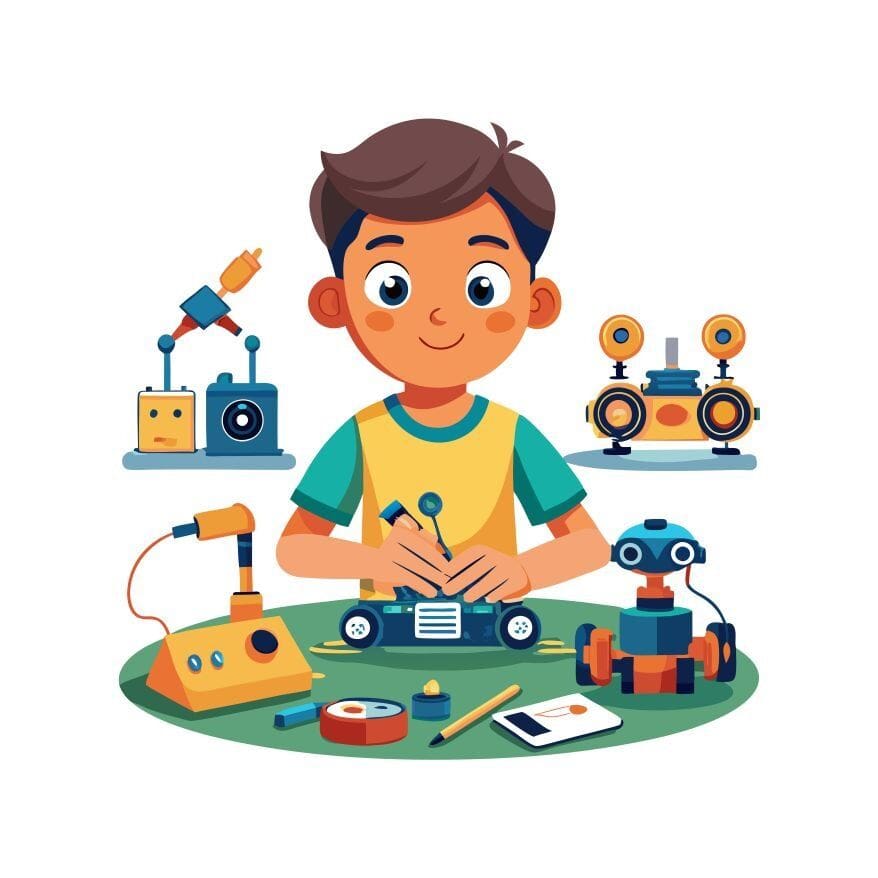
To illustrate this further, teachers often use humanoid robots for storytelling. Robots act out scenes, respond to questions, and interact with students during lessons. Consequently, children improve their listening, communication, and imagination skills in a playful learning environment.
Primary School: Programming Adventures Begin
As students progress into primary school, humanoid robotics for students becomes more interactive. Robots such as NAO or Alpha Mini are commonly used to teach basic programming concepts. Learners write simple code to make robots walk, speak, or dance using block-based coding tools or beginner-friendly languages.
In addition, students compare their own movements with robotic motion, asking questions like how robots balance or walk. This inquiry-based approach strengthens observation skills, logical thinking, and problem-solving abilities.
Middle School: Humanoid Robotics for Students in STEM Education
At the middle school level, robotics education becomes more advanced. Students begin using more powerful software tools to program humanoid robots that can recognize voices or respond intelligently to commands. Often, programming languages such as Python are introduced at this stage.
Moreover, humanoid robotics for students plays a key role in teaching mathematics and science. Robots are programmed to demonstrate equations, count objects, or simulate scientific concepts such as planetary motion or animal behavior. As a result, abstract topics become easier to understand through visual and interactive learning.
High School: Real-World Problem Solving with Humanoid Robots
By high school, students work on ambitious capstone projects using humanoid robots. These projects may include healthcare assistance robots, customer service guides, or educational assistants. Such initiatives combine engineering, computer science, and social sciences into one integrated learning experience.
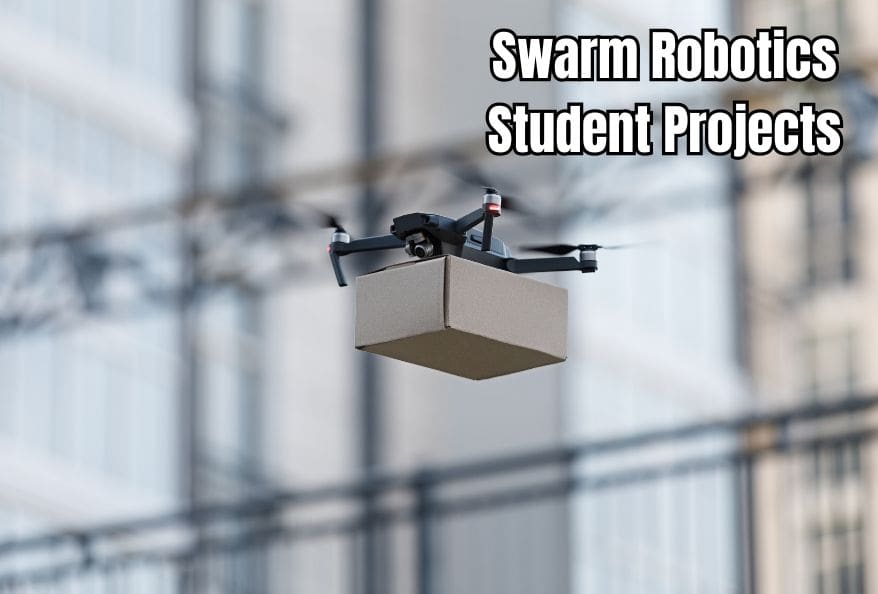
At this stage, many students use open-source platforms and advanced tools such as 3D printing to build and customize robots from scratch. Consequently, they develop innovation, technical expertise, and real-world problem-solving skills.
Career Opportunities in Humanoid Robotics for Students
Robotics Technician Careers for Students
Robotics technicians play a crucial role in operating, testing, and maintaining robotic systems across industries such as manufacturing and healthcare. With a median salary of approximately $70,760 per year, this role offers strong career stability.
To perform effectively, technicians require knowledge of electronics, mechanics, and basic programming. In practice, they troubleshoot robotic systems and ensure smooth operation in real-world environments.
AI Engineer Roles in Humanoid Robotics Education
AI engineers focus on developing artificial intelligence systems that allow robots to learn and adapt. These professionals often earn between $100,000 and $150,000 annually.
With rapid advancements in machine learning, AI engineers work extensively with tools such as TensorFlow and PyTorch. As a result, robots become capable of making smarter decisions and responding intelligently to their surroundings.
Robotics Integrator Careers for Students
Robotics integrators design and implement robotic solutions within existing business workflows. This role blends technical expertise with business strategy.
As can be seen, integrators analyze organizational needs, design robotic systems, and oversee implementation. Therefore, strong communication and planning skills are essential in this career path.
Data Scientist: Improving Robot Performance
Data scientists analyze information generated by robots to improve performance and efficiency. These professionals identify patterns in robot behavior and recommend system improvements, often earning salaries between $100,000 and $150,000 annually.
In short, data scientists help humanoid robots become smarter, more adaptive, and more reliable.
Skills Students Gain from Humanoid Robotics Education
Programming Languages: A Digital Toolbox
Programming skills are central to humanoid robotics for students. Languages such as Python, C++, and ROS (Robot Operating System) are widely used. Typically, students begin with Python due to its simplicity and readability.
Additionally, block-based coding platforms like Scratch help younger learners visualize programming concepts, making coding both accessible and enjoyable.
AI and Machine Learning: Future-Ready Skills
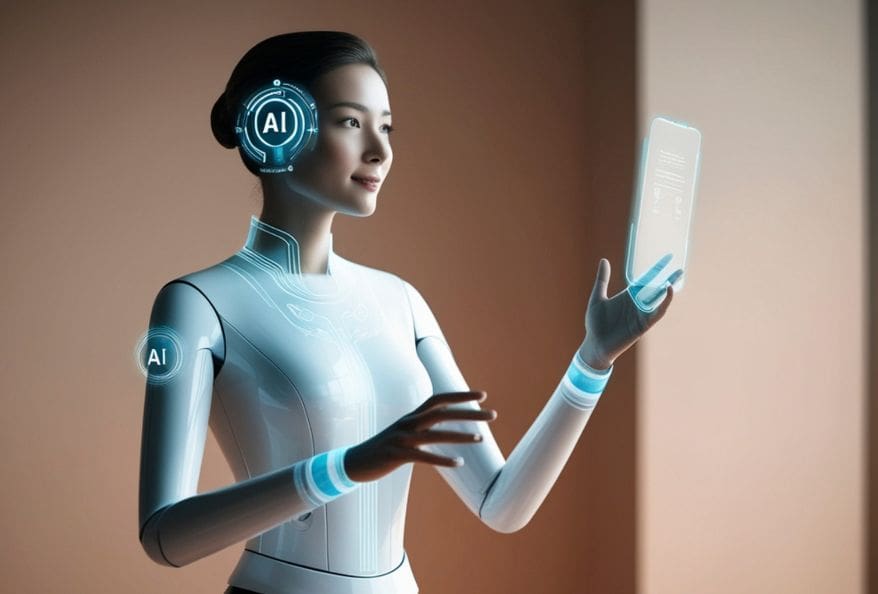
Experience with AI tools such as TensorFlow and PyTorch is highly valuable. These technologies enable robots to learn from data and make intelligent decisions.
At the same time, understanding neural networks and deep learning opens doors to advanced career opportunities. As demand grows, these skills continue to gain importance across industries.
Hardware Skills: Building and Fixing Robots
A strong foundation in electronics, mechanics, and sensors is essential. Students learn about circuit design, hydraulics, and pneumatics through hands-on projects.
Similarly, skills in CAD software and 3D printing allow students to design and manufacture custom robot components, reinforcing both creativity and engineering knowledge.
Special Education: Humanoid Robotics for Students with Learning Needs
Supporting Autism and Communication Development
Humanoid robots such as QTrobot and NAO are increasingly used to support students with autism. These robots help learners practice turn-taking, emotion recognition, and joint attention in a predictable environment.
Because robots behave consistently, students often feel less anxious during interactions. As a result, learning becomes more comfortable and effective.
Speech and Language Practice
Humanoid robotics for students also supports speech and language development. Robots can repeat words and phrases patiently, helping students practice pronunciation without pressure.
With this approach, learners gain confidence and improve communication skills through consistent feedback.
Social Skills Training
Robots serve as patient partners for teaching social behaviors such as greetings, teamwork, and sharing. Teachers frequently observe increased participation, especially among shy or introverted students.
In effect, robots create safe learning spaces where mistakes are part of the process rather than a source of stress.
Hands-On Humanoid Robotics Projects for Students
Building Robots from Scratch
Students often build robots using craft materials, electronics kits, and sensors. These projects may focus on solving real-world problems, such as assisting people with disabilities.
Through such activities, learners develop empathy, teamwork, and engineering skills while seeing tangible results from their efforts.
Robotics Competitions and Challenges
Many schools host robotics competitions that challenge students to design and program robots. These events encourage creativity, collaboration, and perseverance.
Ultimately, competitions motivate students to push boundaries, learn from failure, and celebrate success as a team.
Teaching Robots New Skills
Students frequently teach robots to play games or solve puzzles. This “learning by teaching” approach strengthens understanding and boosts confidence.
By breaking tasks into smaller steps, students learn to think logically and approach problems like programmers.
Ethics and Responsibility in Humanoid Robotics
Privacy and Data Protection
Humanoid robots often collect data such as voice recordings or images. Therefore, students must understand privacy rights and data protection principles.
Schools should establish clear policies, ensuring that only necessary data is collected with informed consent.
Fairness and Bias in Robot Design
Robots can exhibit bias if trained on limited or unfair datasets. For example, language-based bias may exclude certain groups of students.
As a result, students should learn to identify, test, and correct bias to promote inclusive robot design.
Balancing Human and Robot Interaction
While robots can be engaging, excessive reliance may affect human social development. Balance is essential.
In conclusion, robots should support—not replace—human interaction in educational environments.
The Future of Humanoid Robotics for Students
Global Growth and Opportunities
Currently, the robotics industry is expanding rapidly, moving from experimental prototypes to real-world deployment. Countries like China aim to mass-produce humanoid robots by 2025.
Furthermore, labor shortages are accelerating automation, increasing demand for skilled robotics professionals.
Emerging Job Roles
New roles are emerging in robot supervision, ethics consulting, and teleoperation. Students who gain early exposure to humanoid robotics for students will be well-positioned for these careers.
These roles highlight how the field continues to evolve beyond traditional job definitions.
Salary Growth and Job Security
Robotics careers offer competitive salaries and strong job security. Entry-level roles often begin at $60,000+, while experienced professionals earn $150,000 or more.
Compared to many industries, robotics jobs are less likely to be automated due to their specialized nature.
Getting Started with Humanoid Robotics Education
Educational Pathways
Students can pursue associate degrees for technical roles, bachelor’s degrees for engineering positions, or graduate studies for research and AI specialization.
At the same time, hands-on experience through internships and projects is highly valued by employers.
Certifications and Skill Development
Industry-recognized certifications help students stand out. Programs from organizations such as the ARM Institute outline essential robotics competencies.
With this in mind, students should focus on both technical skills and soft skills like communication and teamwork.
Building a Strong Portfolio
Documenting robotics projects is crucial. GitHub repositories, project videos, and competition achievements demonstrate real-world problem-solving abilities.
As noted by employers, portfolios provide clear evidence of practical skills and innovation.
Conclusion: Your Robotics Future Starts Now
All things considered, humanoid robotics for students offers powerful opportunities at the intersection of technology, creativity, and social impact. Students who begin early gain skills that lead to meaningful and high-paying careers.
At last, humanoid robots will play vital roles in healthcare, education, manufacturing, and beyond. With this purpose in mind, students should actively pursue robotics education through school programs, online learning, and personal projects.
To sum up, humanoid robotics for students is not just about machines—it is about shaping a smarter, more inclusive future. The real question is no longer whether robots will matter, but whether students will be ready to lead them.
References:
- Science Robotics. (2018). Social robots for education: A review. Science Robotics, 3(21), eaat5954. https://www.science.org/doi/10.1126/scirobotics.aat5954
- Springer Nature. (2022). Humanoid robots go to school. Education and Information Technologies, 27, 1–25. https://link.springer.com/article/10.1007/s10639-022-10913-
- International Federation of Robotics. (2024). IFR position paper on AI in robotics released. https://ifr.org/ifr-press-releases/news/world-robotics-2024-report-asia-ahead-of-europe-and-the-americas/
- International Federation of Robotics. (2024). Top 5 robot trends 2024. https://ifr.org/ifr-press-releases/news/top-5-robot-trends-2024