
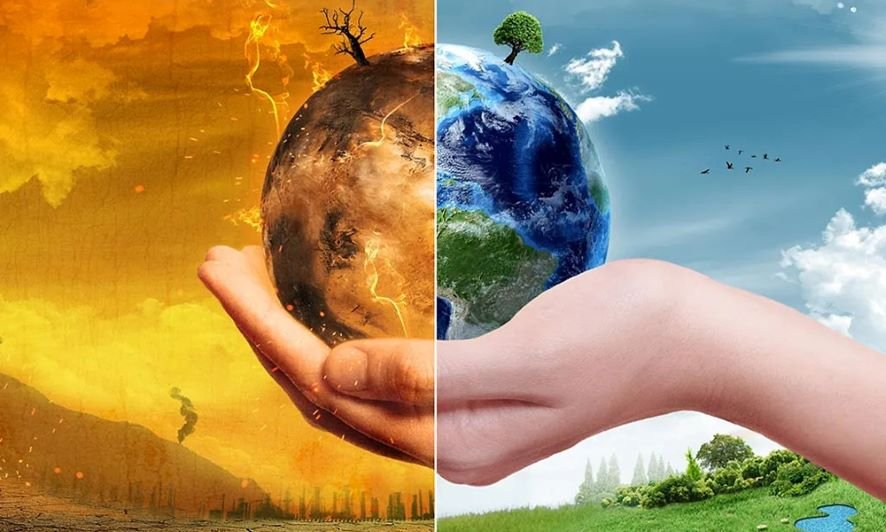
Climate change shapes the world every day. For instance, last year, wildfires in Canada turned skies orange across the global north. As a result, this event showed that the climate crisis is not a distant threat. Moreover, people in many regions now face a global crisis. Specifically, climate change heats the planet, melts ice, and changes rainfall. Consequently, these changes affect the environment and every living thing. Furthermore, around the global community, scientists warn that action cannot wait. Therefore, the global effects of climate change demand urgent attention. The issue of Climate change and the Environment highlights why the global community must respond swiftly and decisively.
Climate Change Overview
What is Climate Change?
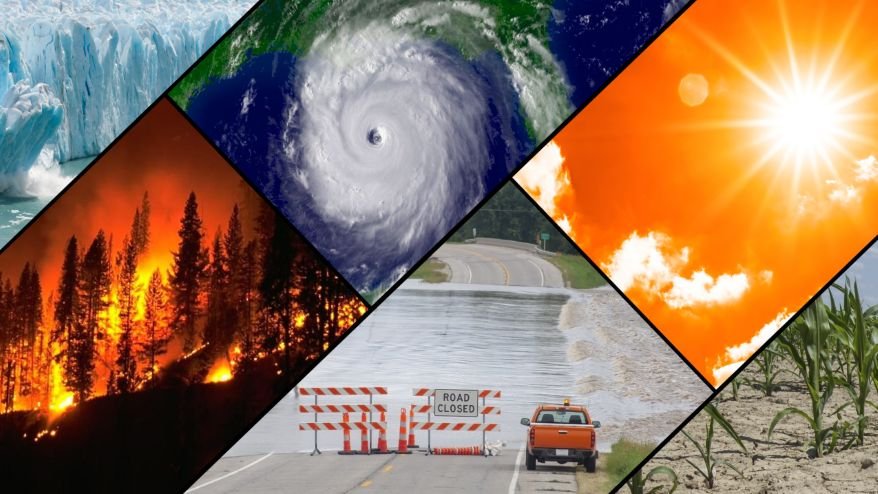
Climate change means the planet’s weather patterns shift over time. Specifically, scientists see changes in temperature, rainfall, and storms. As a result, these changes affect people, animals, and plants. Climate change happens because the atmosphere traps more heat; consequently, this process leads to global warming. Therefore, the Earth’s surface gets hotter. Moreover, the weather becomes less predictable. Consequently, people notice more floods and droughts.
Climate change impacts every region. Some places get hotter. Others see more rain or snow. The effects reach every part of life.
Causes
Greenhouse gases cause climate change. Specifically, these gases trap heat in the atmosphere. The main greenhouse gases include carbon dioxide, methane, and nitrous oxide. Furthermore, people release these gases by burning fossil fuels. For example, factories, cars, and power plants add greenhouse gases to the air. In addition, cutting down forests also increases greenhouse gases. Therefore, human-caused climate change results from these actions.
Here is a table showing the main greenhouse gases and their sources:
| Greenhouse Gas | Main Source |
|---|---|
| Carbon Dioxide | Burning fossil fuels |
| Methane | Farming, landfills |
| Nitrous Oxide | Fertilizers |
Climate Change vs. Global Warming
Climate change and global warming are closely related. Specifically, global warming means the Earth’s temperature rises. However, climate change includes global warming and other changes. These changes include stronger storms, shifting seasons, and melting ice. In fact, global warming is just one part of climate change. Overall, climate change covers all the effects on the planet.
Effects of Climate Change
Rising Temperatures
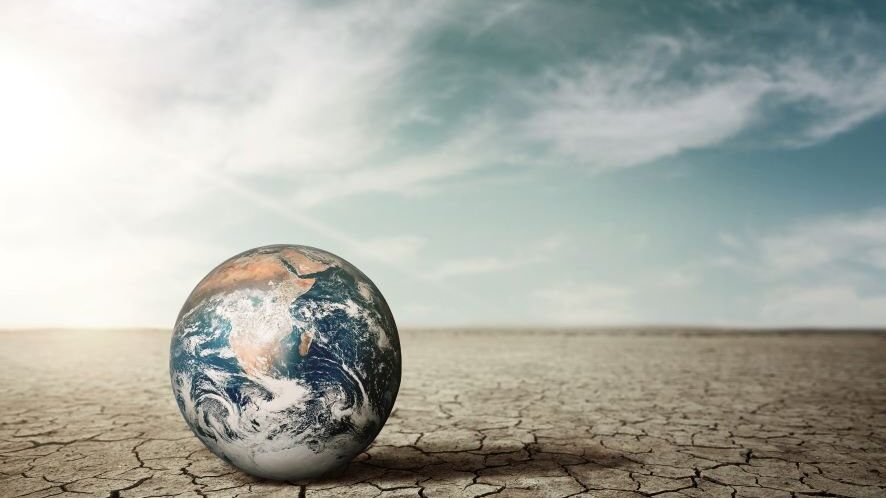
Rising temperatures are changing life on Earth. For example, many cities now break heat records each year. In 2023, Phoenix saw over 30 days above 110°F. Consequently, this extreme heat stresses people and animals. In addition, farmers lose crops. Moreover, heat waves increase health risks. The effects of climate change reach every continent. Specifically, Africa faces longer hot seasons while Europe experiences warmer winters. These changes clearly show how climate change impacts regions in different ways.
Sea Level Rise
Sea level rise threatens coastal areas worldwide. Specifically, melting ice sheets add water to the oceans. Consequently, many cities now face flooding. For example, Miami often sees water in streets during high tides. Similarly, Bangladesh loses land each year to the rising sea level. As a result, the effects of climate change force people to move inland. Moreover, some islands in the Pacific risk disappearing. Overall, the global impact of sea level rise affects millions. Therefore, scientists warn that sea level rise will continue if climate change does not slow down.
| Region | Sea Level Rise Impact |
|---|---|
| Florida | Flooded roads, homes |
| Bangladesh | Lost farmland, migration |
| Pacific Islands | Risk of submersion |
Extreme Weather
Extreme weather events happen more often nowadays. Specifically, hurricanes grow stronger. For example, in 2022, Hurricane Ian hit Florida and caused major damage. Additionally, Europe experienced deadly heat waves and storms. Meanwhile, Asia faced record monsoon rains. The effects of climate change make weather less predictable. Consequently, some regions get more rain, while others see longer dry spells. Ultimately, these events disrupt daily life and cost billions.
- Stronger hurricanes
- More tornadoes
- Intense rainstorms
Droughts and Floods
Droughts and floods clearly show the effects of climate change in the environment . For instance, California faced a long drought from 2012 to 2016, during which farmers struggled to grow food. In contrast, Pakistan saw massive floods in 2022, where millions lost homes and crops. Consequently, these events hurt local economies. Additionally, Africa often faces both droughts and floods. Overall, the global community witnesses these impacts in many regions. Therefore, climate change significantly impacts water supply and food security.
Wildfires
Wildfires burn more land each year. For instance, in 2023, Canada experienced record-breaking wildfires. These fires spread smoke across the United States and Europe. Similarly, Australia faces large fires during summer. Moreover, the effects of climate change make forests drier, causing dry trees to catch fire easily. As a result, wildfires destroy homes and wildlife. The global impact includes poor air quality and health risks. Consequently, some regions now prepare for fire season every year.
- Canada: Largest wildfire season in history
- Australia: Frequent bushfires
- United States: California faces yearly wildfires
The effects of climate change appear in many forms. Rising temperatures, sea level rise, extreme weather, droughts, floods, and wildfires all show how climate change impacts the planet. Each region faces different challenges. The global community must act to reduce these impacts.
Also Read: https://nycstem.in/stem-science-and-technology/
Climate Change and The Environment
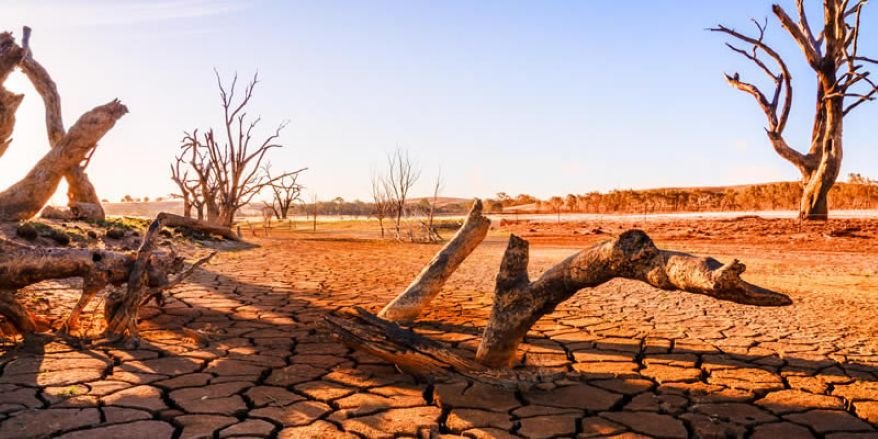
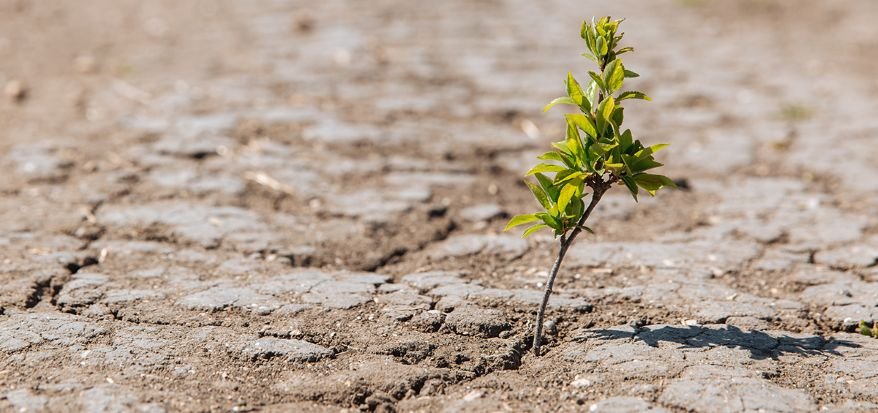
Fig. 3: Land Desertification
Ecosystem Disruption
Climate change in the environment causes big changes in nature. Specifically, forests, wetlands, and grasslands all feel these changes. Consequently, animals and plants struggle to survive. Some species move to cooler places; however, others cannot adapt and face extinction. Furthermore, climate change impacts on animals lead to new patterns. For example, birds migrate earlier, and fish swim to colder waters. These changes disrupt food chains. As a result, people see fewer pollinators like bees. Consequently, farmers lose crops when pollinators disappear. Overall, the global community sees these problems in every region.
Biodiversity Loss
Climate change speeds up the loss of species. Specifically, many animals and plants cannot survive rapid changes. For example, coral reefs bleach and die, while polar bears lose ice needed to hunt. Additionally, rainforests shrink as weather shifts. This accelerated climate change means some species vanish forever. Consequently, this loss weakens the environment, as fewer species make ecosystems less stable. Moreover, the global loss of biodiversity affects food, medicine, and clean water. Ultimately, people depend on nature for many essential needs.
- Coral reefs: Bleaching events increase
- Amphibians: Populations drop worldwide
- Insects: Fewer pollinators in many regions
Ocean Changes
Climate change affects the oceans in many ways. For instance, rising ocean temperatures stress marine life, causing fish to move to cooler waters. Additionally, coral reefs suffer from heat and acidification. Moreover, the global rise in sea level changes coastlines. Furthermore, warmer oceans hold less oxygen, which harms fish and other sea life. Consequently, the impact on fisheries threatens food supplies. People who live near the sea also face more storms and floods. Overall, climate change in the environment includes these big changes in the oceans.
| Ocean Change | Effect on Life |
|---|---|
| Warmer water | Fish migration |
| Acidic water | Coral bleaching |
| Less oxygen | Fish die-offs |
Soil Erosion
Climate change increases soil loss. Heavy rains wash away topsoil. Droughts dry out the ground. Farmers see less healthy soil for crops. Soil erosion leads to poor harvests. Rivers fill with mud and dirt. This hurts fish and water quality. The global food supply faces risk. Soil loss also means less carbon stored in the ground. This adds to climate change impacts.
Desertification
Climate change in the environment turns fertile land into desert. Dry areas get less rain. Plants die and soil blows away. Farmers cannot grow food in these places. The global spread of deserts threatens millions. People move to cities when land fails. Climate change impacts rural communities the most. Desertification shows how climate change in the environment can change lives. The environmental impacts reach far beyond the land.
- Africa: Sahara Desert grows each year
- Asia: Grasslands turn to sand
- Australia: Farmland becomes dry and empty
Changing ecosystems show the power of climate change. The global effects touch every part of life. People, animals, and plants all face new risks. The world must act to protect the environment.
Impacts on Agriculture and Food
Crop Impacts
Climate change affects crops everywhere. Farmers see shorter growing seasons. Some crops do not grow well in heat. Wheat and corn yields drop in many places. Droughts and floods destroy fields. This leads to less food. Food insecurity rises when harvests fail. People in poor regions suffer the most. They cannot buy enough food. The world needs strong crops to keep the food supply stable.
Water Scarcity
Climate change impacts on agriculture also affect water resources. Rainfall patterns change. Some areas get too little rain. Others get too much. Farmers struggle to water their fields. Rivers and lakes dry up faster. This makes it hard to grow food. Food insecurity increases when water runs low. People must use water wisely to protect farms.
| Region | Water Scarcity Impact |
|---|---|
| Africa | Crops fail, hunger rises |
| Asia | Rice fields dry up |
| U.S. West | Farms lose irrigation |
Pest Risks
Hotter weather brings more pests. Insects spread to new places. They eat crops and lower yields. Farmers use more chemicals to fight pests. This costs money and hurts the soil. New pests can cause insecurity for farmers. They worry about losing their harvests. Strong pest control helps protect food.
Impacts on Human Health
Heatwaves
Heatwaves now happen more often. They last longer and feel hotter. Many cities set new temperature records each year. People face higher risks of heat stroke and dehydration. Older adults and children suffer the most. Hospitals see more patients during these events. Heatwaves also stress power grids. Blackouts can leave people without air conditioning. This shows how climate change has an impact on humans, bringing new challenges.
Air Quality
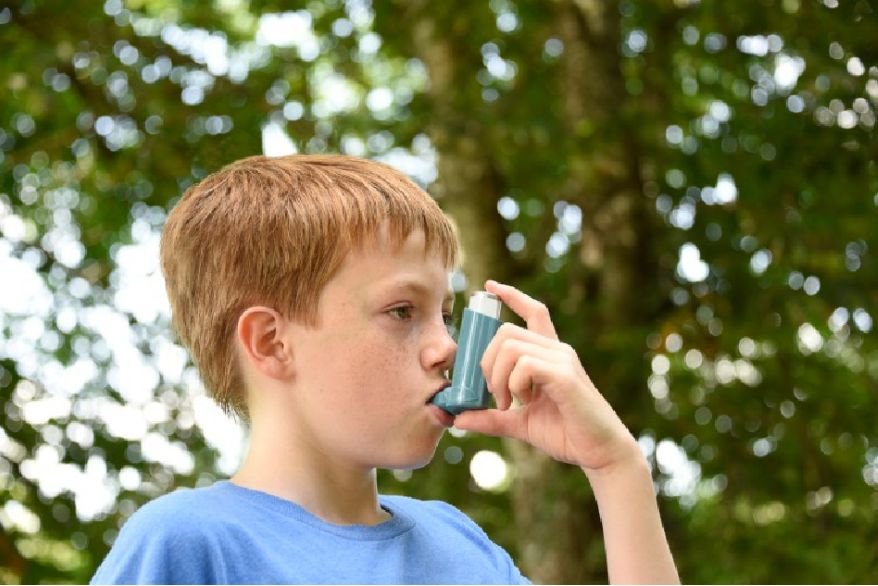
Air quality gets worse as temperatures rise. Wildfires and pollution fill the air with smoke and dust. People with asthma or heart problems struggle to breathe. Children miss school because of poor air. Cities issue warnings on bad air days. Masks and air filters help, but not everyone can afford them. Poor air quality is linked to climate change impacts on humans in many ways.
Disease Spread
Warmer weather helps some diseases spread. In particular, mosquitoes and ticks move into new areas, carrying illnesses like malaria and Lyme disease. Additionally, floods and storms can spread waterborne diseases. As a result, doctors see more cases of these illnesses each year. Consequently, health risks increase as the climate changes.
| Disease | Carrier | New Regions Affected |
|---|---|---|
| Malaria | Mosquitoes | Southern Europe |
| Lyme Disease | Ticks | Northern US, Canada |
| Dengue Fever | Mosquitoes | South US, Asia |
Climate Migration
Some people must leave their homes because of climate change. Floods, droughts, and storms destroy houses and farms. Families move to safer places. Cities grow quickly as more people arrive. This puts pressure on schools and hospitals. Climate change forces many humans to start over in new places.
Tipping Points
Some changes may happen suddenly. These are called tipping points. For example, the loss of Arctic ice could speed up warming. Forests may die back and release more carbon. Coral reefs could vanish in a few decades. These events can make the global crisis worse. Once a tipping point passes, it is hard to reverse. Scientists warn that the world is close to some of these points.
| Tipping Point | Possible Effect |
|---|---|
| Arctic Ice Loss | Faster warming |
| Amazon Dieback | Less rain, more fires |
| Coral Reef Collapse | Loss of sea life |
Generational Impact
The next generation will face new challenges. For example, children today may see more storms and heatwaves. Additionally, some may grow up with less clean water. Furthermore, food insecurity could rise in many places. Overall, the global effects will shape their lives. As a result, young people now call for action. They want leaders to solve the climate crisis. Ultimately, each generation will need to adapt and find solutions.
Solutions
Mitigation
Mitigation means stopping climate change from getting worse. People can use clean energy like solar and wind. Factories can lower pollution by using better technology. Cities can plant more trees. Trees take in carbon from the air. Farmers can use less fertilizer. This helps cut greenhouse gases. Everyone can help by saving energy at home.
Adaptation
Adaptation means getting ready for changes. Farmers can grow crops that need less water. Cities can build stronger flood barriers. People can collect rainwater for dry times. Schools can teach about climate risks. Communities can plan for heatwaves and storms. These steps help people stay safe.
| Adaptation Step | Who Benefits |
|---|---|
| Drought-resistant crops | Farmers |
| Flood barriers | Coastal cities |
| Early warning systems | Everyone |
Policy
Good policies help fight climate change. Governments can set rules to cut pollution. Leaders can support clean energy projects. Laws can protect forests and wildlife. Cities can make public transport better. People can vote for leaders who care about the environment. Strong policies make a big difference.
Individual Actions
Each person can help slow climate change. People can walk or bike instead of driving. They can eat more local food. Recycling and using less plastic also help. Families can use less water and energy. Talking to friends about climate change spreads awareness. Small actions add up when many people join in.
- Walk or bike to school
- Use reusable bags and bottles
- Plant a tree in your yard
References
- Lobosco, G., & Mencarini, V. (2021). and climate change. Convergences – Journal of Research and Arts Education, 13(26), 103–117. https://doi.org/10.53681/c1514225187514391s.26.39
- Willard-Stepan, M., Fong, A., & Sabaa, Y. (2021). Changing climate change. McGill Science Undergraduate Research Journal, 16(1), 88–91. https://doi.org/10.26443/msurj.v16i1.66
- Hartley, A. J., & Tandon, A. (2022). The impacts of climate change. Frontiers for Young Minds, 10. https://doi.org/10.3389/frym.2022.716479